Guide H-191
Geraldine Diverres Naranjo, Phillip Lujan, Donald Caldwell
College of Agricultural, Consumer and Environmental Sciences, New Mexico State University
Authors: Respectively, Viticulture Extension Specialist; Extension Plant Pathologist; and Extension State Enologist Agent. All from the Department of Extension Plant Sciences, New Mexico State University. (Print-Friendly PDF)
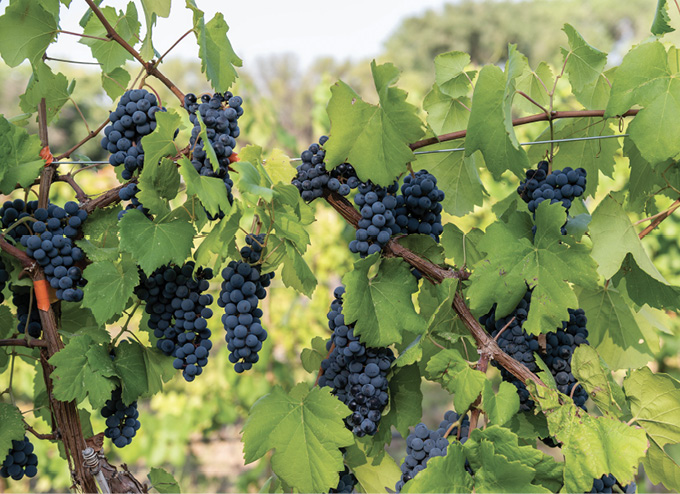
Photo by Josh Bachman. NMSU, 2021.
Introduction
Regular scouting and early detection of vineyard problems are essential to guide effective management practices. Many pests, diseases, and environmental stresses can produce similar symptoms in the field, and misidentification will lead to ineffective or unnecessary treatments. This guide is designed to help vineyard managers and field crews identifying common diseases based on what can be observed in the field.
Diseases in grapevines are caused by pathogens such as fungi, bacteria, or viruses that disrupt plant function. Symptoms can include discoloration, rot, abnormal growth, dieback, or reduced yield or vigor. Some diseases spread rapidly under favorable conditions, while others develop slowly over multiple growing seasons. Observing where symptoms occur, when they develop, and the vineyard’s history can help guide identification; however, laboratory testing is often the only reliable method for an accurate diagnostic. Preventing disease begins with planting certified clean material. When establishing or replanting a vineyard, consider sourcing grapevines from nurseries supplied by Foundation Plant Services at the University of California, Davis, or other clean plant centers supported by the National Clean Plant Network (NCPN, https://www.nationalcleanplantnetwork.org).
When using this guide, start by noticing the pattern and timing of the observed symptoms:
- Are they uniform across rows, blocks, or irrigation zones?
- Do they appear scattered among random individual vines, or are they localized to specific parts of the canopy (whole vine, leaves only, western-facing side only, etc.)?
- When are the symptoms developing? Does it depend on the vine’s phenological stage or does the onset of symptoms occur soon after a weather event or vineyard practice (e.g., frost, changes in irrigation scheduling, spraying, or after canopy management)?
After making these observations, compare the symptoms of your vines with the pictures provided in each section. This guide also includes a section of common look-alike problems with key features that can help rule out other causes. Some problems can be difficult to diagnose by relying only on visual observations; collect and submit samples to the New Mexico State University Plant Diagnostic Clinic (https://plantclinic.nmsu.edu) for an accurate diagnosis.
|
Table 1. Quick Start Guide |
||
|---|---|---|
|
Symptoms |
Things to look out for |
Implications and likely causes |
|
Symptom pattern |
Are symptoms uniform, scattered, or localized? |
|
|
Symptom location |
Where do symptoms appear first on the affected vine? |
|
|
Timing and phenology |
When did symptoms appear? Consider growth stage and recent events |
|
|
Compare your symptoms with the photographs in the guide. Match your observations with guide sections. Use Field symptoms and Key identification features to confirm diagnosis and/or rule out look-alikes. Confirm with the NMSU plant diagnostic clinic if needed. Is the diagnosis uncertain? Some problems, especially diseases and viruses, require laboratory testing for accurate identification. Collect samples and submit them to the NMSU Plant Diagnostic Clinic if confirmation is required for adequate management. |
||
Powdery Mildew
The causal agent of grape powdery mildew is the fungus Erysiphe necator. This disease can be found worldwide, and it can be observed during New Mexico’s late summer monsoon season or after harvest.
Pattern: Scattered, present on random vines. Often worse in shaded or dense areas of the canopy.
Timing: Mid- to late season; peaks during warm, humid canopy conditions (monsoon season, overgrown canopies, flood irrigation).
Location: Leaves, shoots, and clusters.
Field symptoms
- White to gray powdery coating on upper leaf surfaces, young shoots or clusters and berries (Figure 1, 2).
- Early leaf symptoms cause small pale spots or blotches. Leaves may curl or distort.
- Berries develop a gray ashy coating that eventually turns brown or russet (Figures 3, 4).
- Dormant canes usually present irregular brown or dark blotches that remain after the superficial fungal growth has disappeared, creating a “spider-web” look (Figure 4).
Key identification features
Powdery mildew infection signs are typically observed in summer, when a white-gray fungal coat develops on the upper leaf surface that eventually covers both sides (Figure 2). Infected berries initially turn white-gray and then develop a brown/russet appearance (Figure 3). Powdery fungal growth that can be rubbed off with fingers. When fungal infections occur on green shoots, scars or brown/blackened tissue that resembles “spider webs” appear on dormant canes (Figure 4).
Can be confused with
- Dust or spray residue (on leaves): Does not spread or increase over time. Does not cause berry russeting or softening over time, and it is not associated with leaf or cane symptoms.
- Sunburn or heat damage (in fruit): Also causes browning or necrosis, but it is not associated with fungal growth on leaves and fruit.
- Botrytis (on berries): Causes soft rot and is usually associated with the presence of gray fuzzy fungal growth on the fruit (Figure 5).
Why it matters
Powdery mildew can infect all green grapevine tissues, including leaves, shoots, tendrils, flower clusters, and berries. Severe infections reduce photosynthesis and cause premature leaf fall, which can lead to a reduction in yield, fruit, and wine quality. Powdery mildew infections can also cause small cracks and splits in the berries, which can favor the infection by other diseases such as sour rot or botrytis bunch rot.
Causes and contributing factors
The fungus overwinters as hardened survival structures called chasmothecia on infected leaves and fruit. Chasmothecia can be dispersed by wind or rain drops and survive in bark or other structures until favorable conditions return. Dense canopies with poor air circulation and low light penetration can create humid microclimates that favor disease development. This fungus grows best when temperatures are between ~73 and 85°F (23–30°C). and is generally more prevalent in cooler parts of New Mexico, where favorable conditions may persist longer during the growing season. Powdery mildew does not require free water for infection, only high relative humidity. Overgrown canopies, particularly when combined with overhead irrigation, furrow irrigation, or periods of monsoon rainfall, can increase the risk of disease development.1,2
Management and next steps
In addition to scouting and canopy management, fungicide applications should begin preventively and continue during periods when leaves and fruit are most susceptible, and environmental conditions favor the development of the disease. Cultural practices, like selective pruning and timely shoot thinning, can help improve airflow and sunlight penetration. Maintaining an open canopy also improves spray penetration and coverage, increasing the effectiveness of fungicide applications.2
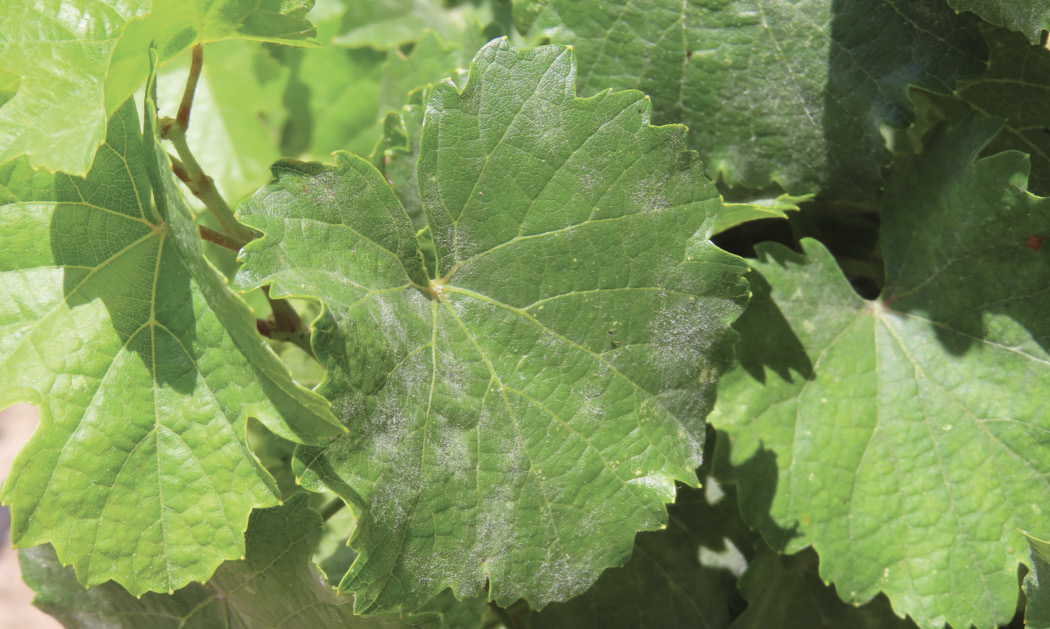
Figure 1. Powdery mildew infection on grapevine showing the characteristic white-gray powdery fungal growth on the upper side of leaves.
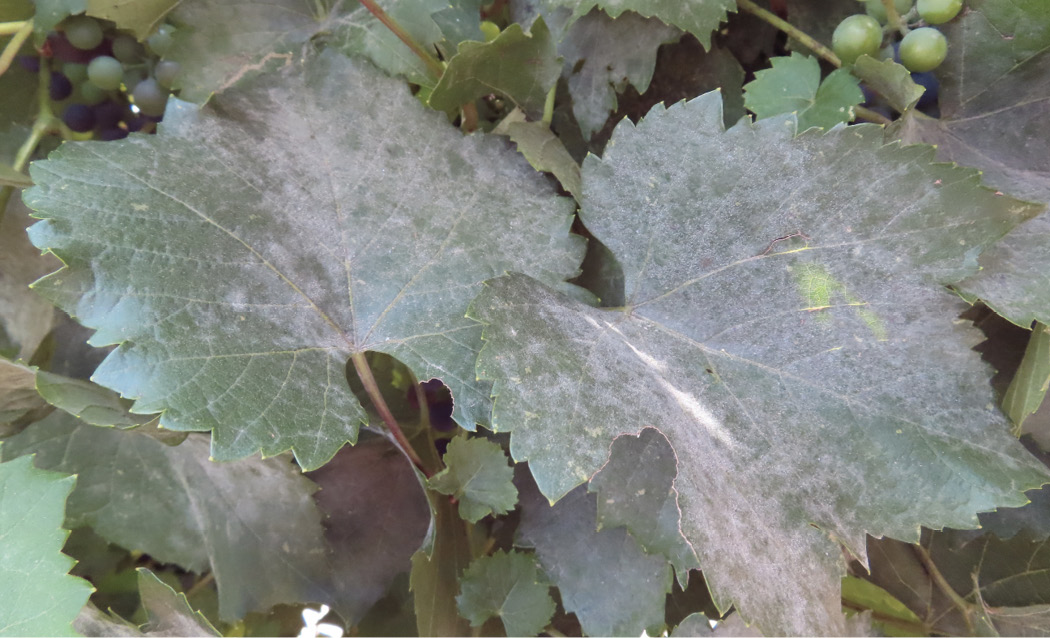
Figure 2. Advanced stage of powdery mildew on grapevine leaves.
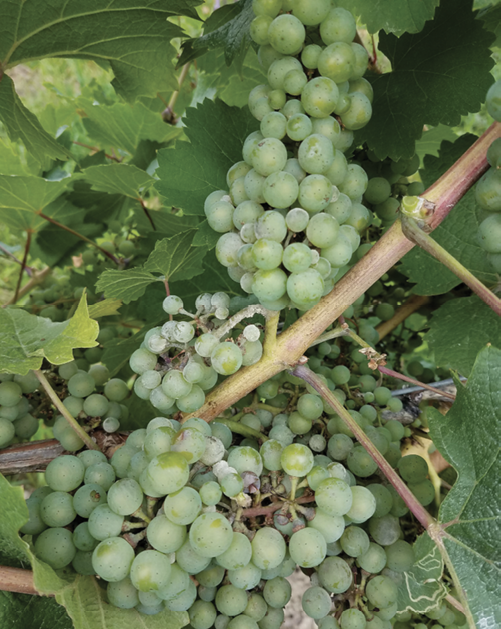
Figure 3A. Earlier stages of powdery mildew on grape berries, with their typical “ashy” fungal growth.
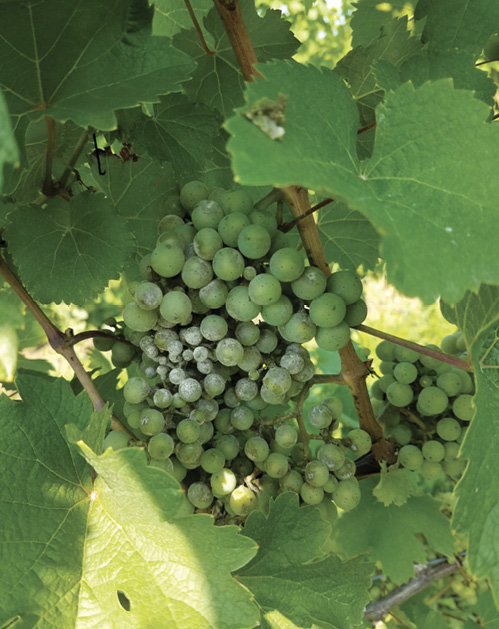
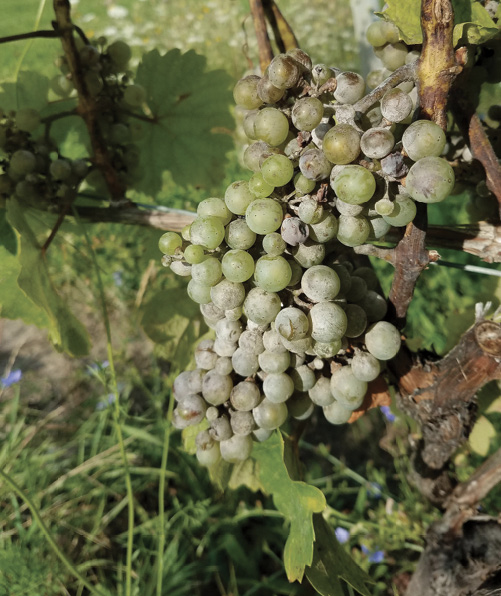
Figure 4A. Powdery mildew damage clusters. On grape berries, powdery mildew infections result in russeting and reduced fruit quality. Shoot scarring causes tissue discoloration, sometimes described as a “spider web” look.
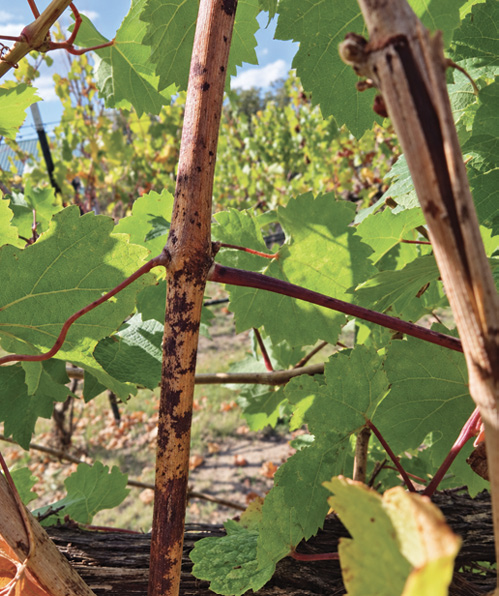
Figure 4B. Powdery mildew damage shoots (right). On grape berries, powdery mildew infections result in russeting and reduced fruit quality. Shoot scarring causes tissue discoloration, sometimes described as a “spider web” look.
Botrytis Bunch Rot
Botrytis bunch rot, caused by the fungus Botrytis cinerea, is a common grape disease worldwide. It occurs sporadically in New Mexico due to our hot, arid climate.
Pattern: Scattered, present on random vines.
Timing: Pre-harvest, especially under humid conditions or associated with monsoon rains.
Location: Cluster.
Field symptoms
- Soft, rotting berries, oftentimes with the presence of gray and fuzzy mold growth (Figure 5)
- Infection often begins in tight clusters, where berries can split each other.
- Early symptoms may include brown or necrotic spots on berries, pedicels, or rachis. As disease progresses, berries soften and rot.
- Infected tissue may dry into shriveled “mummified” berries under warm and dry conditions (Figure 6).
Key Identification features
Soft and rotting berries covered with gray fungal growth are the most characteristic symptoms of Botrytis bunch rot. Under humid conditions, bunch rot develops rapidly and can spread from berry to berry, causing partial or complete cluster rot. If infection occurs early in the growing season, buds and young shoots may become brown, necrotic, and die. Infections during bloom can cause flowers and young clusters to turn brown and die, while black to brown lesions may develop on the rachis and flowers. These early infection signs often remain dormant until berries begin to ripen, when bunch rot symptoms become apparent.
Can be confused with
- Sour rot: Associated with a vinegar smell and presence of insects (e.g., fruit flies). The berries do not present a fuzzy mold growth.
- Powdery mildew (on berries): Produces a white-gray powdery coating, not a wet rot. Powdery mildew does not cause soft berry breakdown in its early stages.
- Sunburn: Can also cause browning or necrosis on exposed fruit, but it does not present any signs of fungal growth and does not spread to healthy berries or clusters.
- Mechanical damage or cracking: Cracking and splitting oftentimes precedes and favor Botrytis infections, but mechanical damage lacks fungal growth by itself.
Why it matters
Botrytis bunch rot can significantly reduce both yield and fruit quality, particularly when infection develops close to harvest. Infected berries may rot or become unmarketable. Laccase, an enzyme that accelerates oxidation of wine, is also associated with botrytis.3 Because the disease often begins within clusters and progresses under favorable conditions, it may go unnoticed until the damage is advanced.
Causes and contributing factors
Disease development often begins within compact clusters or berries that have been wounded or split by insects, birds, hail, sunburn, or powdery mildew infections. Infections initiated during bloom may remain latent until berries begin to ripen. Optimal conditions for disease development include temperatures between ~60 and 77°F (16–25°C) and relative humidity above 90%.4 Although New Mexico has a generally dry climate, localized conditions like dense or overgrown canopies, compact clusters, furrow irrigation, humidity from flood-irrigated neighboring fields, or humidity associated with the summer monsoon rains can create a favorable environment for Botrytis bunch rot. In addition, dense canopies also reduce air circulation and slow cluster drying, further increasing disease risk. For these reasons, botrytis bunch rot is more likely to occur in central and northern New Mexico and in locations where canopy conditions create humid microclimates. Tight-clustered cultivars, like Riesling or Gewürztraminer, are particularly susceptible to Botrytis bunch rot.5
Management, and next steps
Monitor clusters closely throughout the growing season, particularly around bloom. Special attention should be given to tight-clustered cultivars, which are more prone to infection. Improving airflow through canopy management and size control can help reduce humidity within clusters and limit disease development. Drip irrigation, instead of flood or furrow irrigation, can also help lower humidity and risk of infection and spread. Minimizing berry damage from insects, hail, or vineyard operations is also important, as wounds increase susceptibility to infection. In vineyards with a history of Botrytis or during high-risk conditions, growers should apply in a timely manner fungicides pre- and post-bloom, which greatly reduces the impact of botrytis infection later in the season. Because fungicide coverage becomes limited after bunch closure, disease management is most effective before clusters close. The limited number of effective fungicides, and their high cost, emphasize the importance of cultural practices when dealing with fungal infections.5
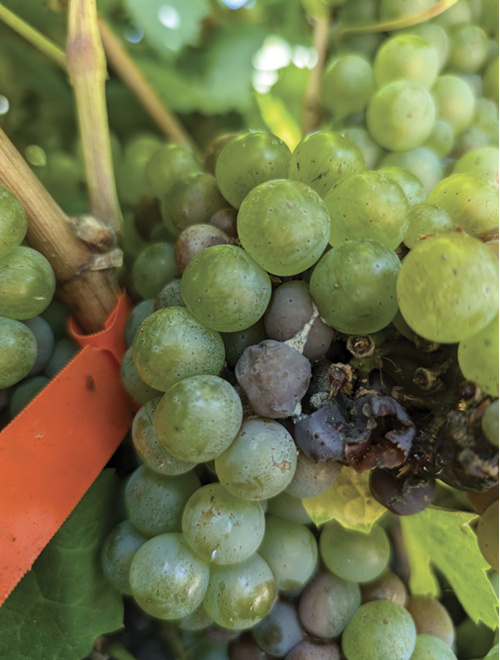
Figure 5. Botrytis growth on infected berries in Riesling.
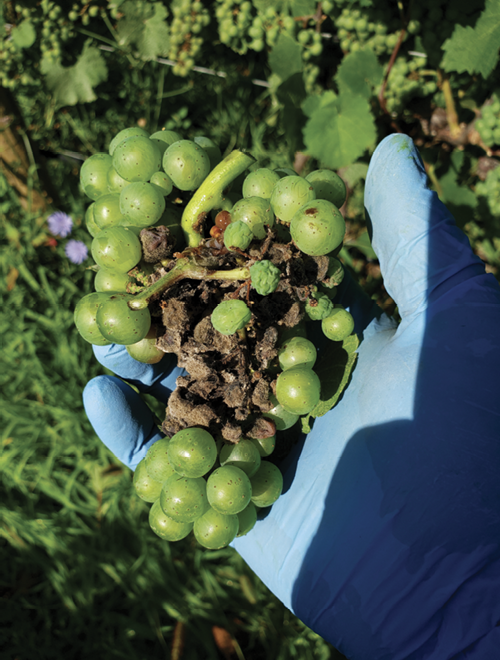
Figure 6. Botrytis bunch rot showing necrotic lesions and internal cluster infection pattern.
Sour rot
Sour rot is a late season disease that develops when yeasts and acetic acid bacteria colonize damaged grape berries. Fruit flies (Drosophila spp.) help spread the disease.
Pattern: Scattered. More common in vines with compact clusters. If the cause is hail damage, localized to the exposed side.
Timing: Veraison through harvest.
Location: Clusters and berries.
Field symptoms
- Individual berries first become soft, pink, or light brown.
- Berry skins lose their firmness, and the pulp becomes watery in appearance (Figure 7).
- Infected clusters emit a distinct vinegary odor (acetic acid).
- Numerous small fruit flies are commonly observed feeding or flying around affected clusters.
- Under severe disease pressure, the rot rapidly spreads throughout the clusters, decreasing yield and marketability.
Key identification features
Sour rot does not produce visible fungal growth on berries during its early stages. The combination of damaged berries, a strong vinegar smell, the soft, watery berry pulp, and the presence of fruit flies are key diagnostic features. Secondary infections by Botrytis or other fungi may occur later, but these organisms are not responsible for initiating sour rot.
Can be confused with
- Botrytis bunch rot: Botrytis produces characteristic gray, fuzzy fungal growth on infected berries. Sour rot typically lacks visible fungal growth, and it produces a distinct vinegar odor, usually with the presence of fruit flies.
- Sunburn: Sunburn affects exposed berries on the sun-facing side of clusters and does not produce a vinegar smell or attract fruit flies.
Why it matters
Sour rot can develop rapidly during the final weeks before harvest and may result in significant yield losses. Infected fruit can increase volatile acidity and negatively affect wine quality.
Causes and contributing factors
Sour rot develops after berries are damaged, allowing yeasts and acetic acid bacteria to colonize the fruit. Fruit flies (Drosophila spp.) spread these microorganisms between berries and clusters, accelerating disease incidence and severity. Conditions that favor the development of sour rot infections include: Warm temperatures during the ripening period, rainfall or prolonged humidity, and berry injury caused by splitting, hail, birds, insects, sunburn, or mechanical damage. Dense canopies and compact clusters that reduce air movement can also favor the disease.5
Management and next steps
Chemical treatments are generally ineffective in preventing the infection of wounds and splits in berries. Management should focus on preventing berry injury and reducing conditions that favor disease development. The same practices that prevent botrytis and powdery mildew infections can also reduce the risk of sour rot infections.
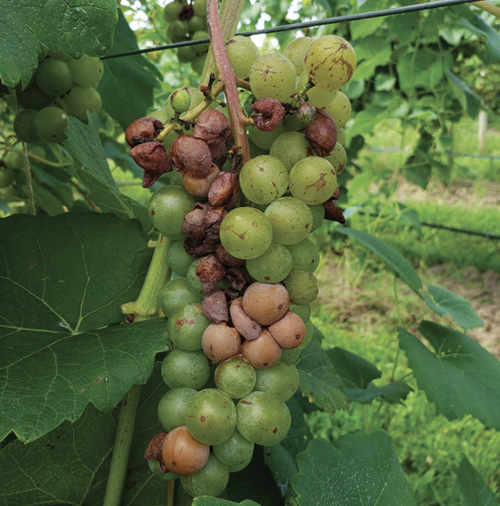
Figure 7A. Sour rot on clusters, causing the characteristic light brown, watery pulp appearance in berries.
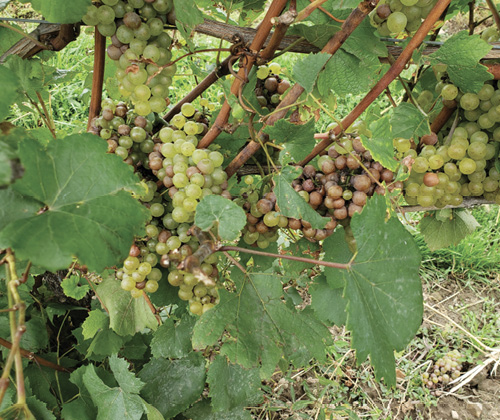
Figure 7B. Sour rot on clusters, causing the characteristic light brown, watery pulp appearance in berries.
Grapevine Trunk Diseases (GTDs)
Grapevine trunk diseases (GTDs) are a group of fungal diseases that can affect the permanent wood structures of the vine (e.g., trunks, cordons), leading to gradual decline and dieback. Oftentimes, multiple pathogens are involved, and symptoms can be variable and difficult to distinguish visually. In New Mexico, the most common trunk diseases include Eutypa dieback and Botryosphaeria dieback. Because individual pathogens are difficult to differentiate without laboratory analysis, trunk diseases are addressed here as a group, with an emphasis on recognizing their shared field symptoms and patterns of decline.
Pattern: Scattered, present on random vines.
Timing: Late spring.
Location: Localized to individual spurs, cordons, or parts of vines; scattered across vineyard; internal trunk/cordon tissue.
Field symptoms
- Irregular or delayed shoot growth in spring.
- Stunted shoots with short internodes and small, distorted leaves.
- Leaves may appear cupped, or present irregular margins (Figure 8).
- Dead or missing shoots from individual spurs or cordons, or dead spots that reduce canopy density.
- Symptoms tend to appear on one side of the vine rather than affecting the entire canopy uniformly.
- In severe or advanced cases, entire portions of cordons or trunk may dieback.
Key identification features
GTDs have very similar symptoms on grapevines and therefore will be discussed as a disease complex throughout. Generally, GTD infection symptoms are first observed in vineyards after 5-7 years, so vines may be infected long before visual symptoms are observed.
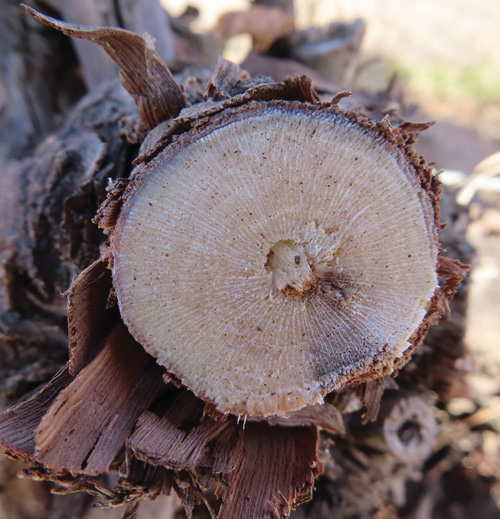
Vines infected with Botryosphaeria dieback can fail to produce any spring growth from single or multiple spur positions. Vines affected by Eutypa dieback tend to produce shoots that often display cupped, distorted, or dwarfed leaves (Figure 8). The shoots that grow from infected wood are often stunted with shortened internodes. Symptoms for both diseases are most evident in spring. Internally, infected cordons or trunks often show necrotic tissues (Figure 9) with a characteristic brown “pie” or wedge shape in the case of Eutypa dieback (Figure 10).6
Can be confused with
- Herbicide injury: Can also cause irregular shoot growth and leaf distortion, but herbicide exposure does not generally cause die back of spurs or cordons.
- Winter injury: Associated with cold winters. Even if spurs die back, the vine generally pushes latent buds that are normal in size, color, and shape.
Why it matters
GTD infected vines can cause a slow but progressive decline in productivity. The pathogens colonize permanent wood and can lead to fewer viable spurs, reduced canopy development, and yield losses year after year. Infections are internal, and vines can be infected for several years before any visible symptoms appear. As the disease advances, entire arms or trunks may become unproductive or die back, increasing the need for retraining or rogueing the affected vine. Since there is no cure once a vine is infected, management relies on prevention and removal of diseased wood. The condition is worsened in regions where pruning wounds are exposed to rainfall and inoculum pressure is high.6
Causes and contributing factors
The pathogens are dispersed by spores, which are released from fruiting bodies during rainfall and carried to fresh wounds, making the period after pruning a high risk for infection. Once inside the vine, the fungi infect the wood slowly. The pathogens also produce phytotoxic compounds that can move to the leaves through transpiration, where they disrupt chlorophyll function and damage cellular structures, explainingthe foliar symptoms. Infected vines may respond by forming tyloses (swellings) that clog xylem vessels, which can limit water and nutrient transport within the vine. Rainfall during or after pruning increases infection risk.
Management and next steps
For grapevine trunk diseases, management focuses on prevention, since there is no treatment possible once the fungi are established in the permanent wood structures. The most effective strategy is to reduce exposure of fresh pruning wounds to spores. Timing pruning to avoid periods when rain is forecasted can help reduce the risk of infection. Sanitize shears after pruning areas known to be infected by GTDs. In regions like New Mexico, where winter precipitation is limited, the risk is low, but not zero. Removing infected wood can reduce inoculum sources within the vineyard. If infections are localized to an arm or cordon, retraining healthy wood may prolong the vine life, but heavily infected vines may ultimately require rogueing. Because disease development is slow and symptoms can take years to appear, consistent preventive practices and long-term planning are essential to limit cumulative losses from grapevine trunk diseases.6
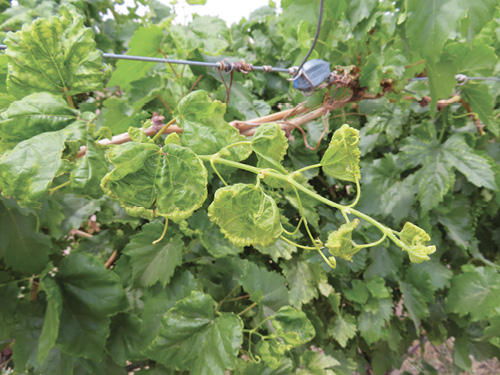
Figure 8. Leaf cupping, distortion, and shortened internodes associated with grapevine trunk disease symptoms.
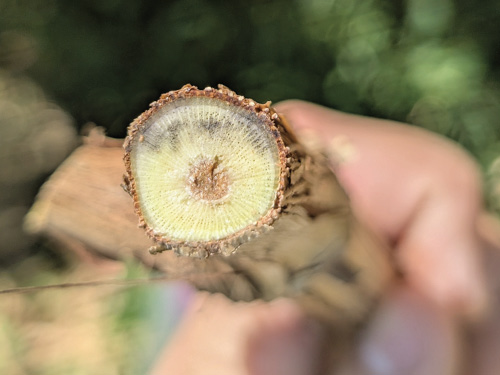
Figure 9. Early signs of trunk disease in perennial wood (>2-year-old tissue).
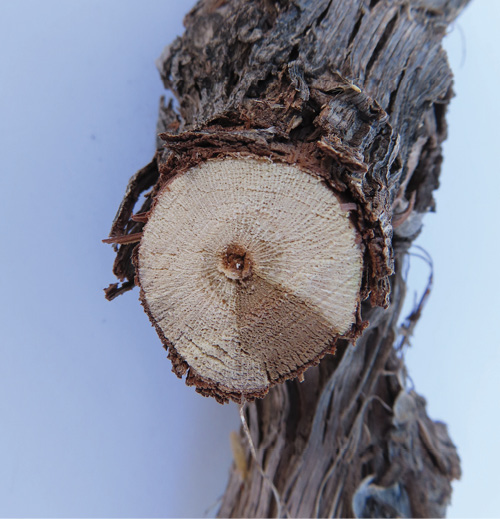
Figure 10A. Internal wood necrosis showing the typical pie or wedge-shaped necrotic tissue characteristic of Eutypa dieback infections.
Phymatotrichopsis Root Rot
Phymatotrichopsis root rot, also known as “cotton root rot”, “Texas root rot”, or simply “root rot”, is caused by the soil-borne fungus Phymatotrichopsis omnivora. This disease is destructive, persistent, difficult to manage, and has a wide host range.
Pattern: Scattered, but clustered in distinct patches within the vineyard.
Timing: Late spring to late summer. Symptom expression accelerates during warm and dry conditions.
Location: Whole vine (root system origin).
Field symptoms
- Sudden wilting of leaves during warm weather or water shortages.
- Leaves turn yellow initially, then brown and become dry and brittle, often remaining attached to the vine (Figure 11).
- Symptoms often occur in distinct patches within the vineyard, since infections require root-to-root contact (Figure 12).
- Rapid vine decline, within days or weeks.
- Difficulty replanting and reestablishing vines, which often struggle and show foliar symptoms (Figure 13).
Key Identification features
Symptoms develop rapidly and can resemble severe water stress but occur in clustered patches rather than uniformly across irrigation sections. Leaves often remain attached after drying out and vine decline progresses quickly. In the following season, surviving vines may show reduced shoot growth and dull green foliage. In some cases, fungal strands may be visible on the surface of infected roots when examined with a magnifying glass (Figure 14).
Can be confused with
- Water stress: Water stress symptoms develop gradually, with clear signs of reduced shoot growth, and loss of the shoot tip, often before any yellowing of the leaves becomes apparent. Symptoms are uniform across irrigation zones, rather than present in random clusters of vines. Senescing leaves usually fall from the vine rather than remaining attached as in root rot.
- Grapevine trunk diseases (GTD): Slow decline over years instead of a sudden collapse under high heat periods. GTDs are associated with wood symptoms and dead portions of cordons rather than rapid and generalized wilt.
- Salinity stress: Also causes marginal burn on the leaves and vine decline, but the onset of symptoms is gradual and does not result in sudden vine death.
- Herbicide injury: Causes distorted growth rather than rapid and generalized wilting.
Why it matters
Vines that show foliar symptoms early in the growing season become mostly or completely defoliated by mid-summer. Defoliation can increase the risk of sunburn and reduce marketability of the fruit (Figure 15). Under high evaporative demand, the clusters of infected vines may shrivel.
Once established, infected areas typically cannot be replanted to grapevines, resulting in long-term economic impact.
Causes and contributing factors
This disease, known to infect over 2,000 broad-leafed plants, also has reliable survival techniques, which make it one of the most difficult diseases to control. The fungus produces sclerotia (survival structures) that can be found over 12 feet deep and can last for at least 12 years in the soil. This pathogen is believed to have limited distribution and is restricted to the Southwestern United States and Northern Mexico in areas with elevation below 5,000 feet and in calcareous, alkaline, and low organic matter soil with a pH range of 7.0-8.2.7 The disease spreads slowly, and requires root-to-root contact between a healthy and an infected vine.8
Management, and next steps
Identify, map, and flag affected areas within the vineyard, as the disease persists in soil and spreads locally over time through root-to-root contact. Monitor nearby vines for early symptoms, particularly during periods of high temperatures. Since there are no effective treatments available against Phymatotrichopsis root rot, management currently focuses on prevention. Modifying the soil environment, using cover crops, and applying biological controls (Trichoderma sp.) is being researched as treatment options, but no reliable control methods have been described as of 2026. Avoid replanting grapevines in known infected areas. No commercially available rootstock is resistant to Phymatotrichopsis root rot, but 1103-Paulsen, Dog Ridge, and Ramsey have shown certain degree of tolerance. Despite this, infections can still occur and have been reported in southern NM on vines grafted to 1103-P and Salt Creek.
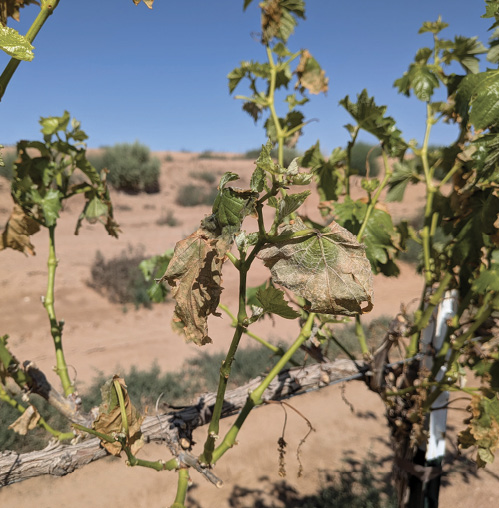
Figure 11. Earlier visual symptoms of Phymatotrichopsis root rot showing stunted growth, general decline and scorching of the leaves.
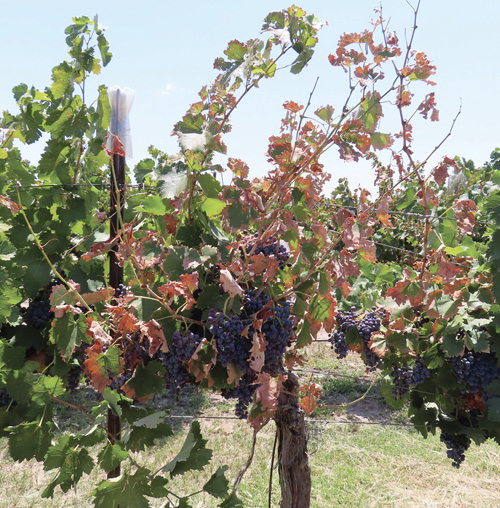
Figure 12. Late season symptoms showing scorched, brittle leaves that remain attached to the vine.
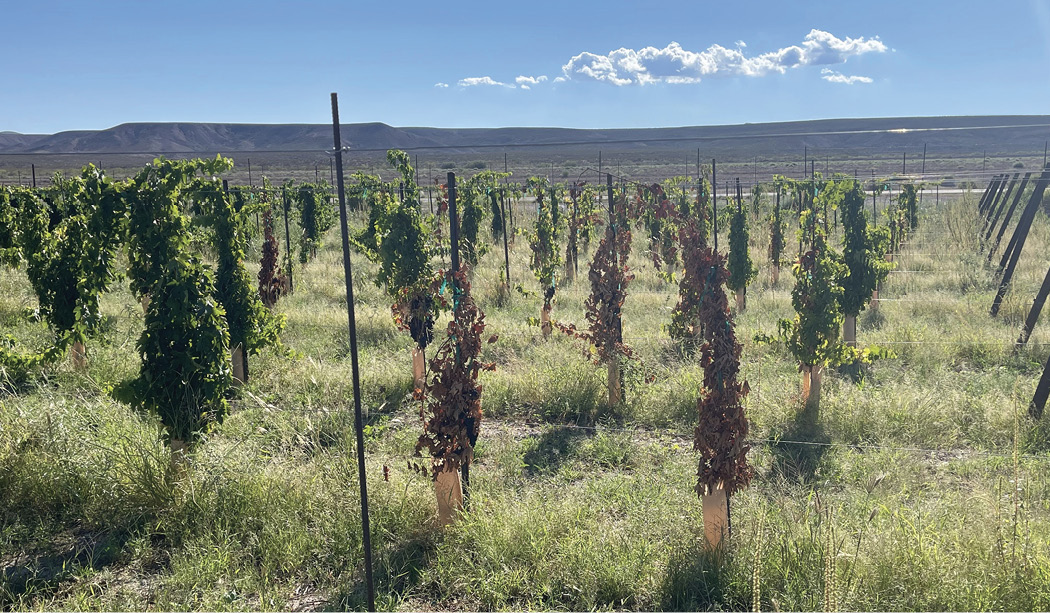
Figure 13. Patch of affected vines showing the typical clustered distribution of root rot in the vineyard. Infections require root-to-root contact to spread.
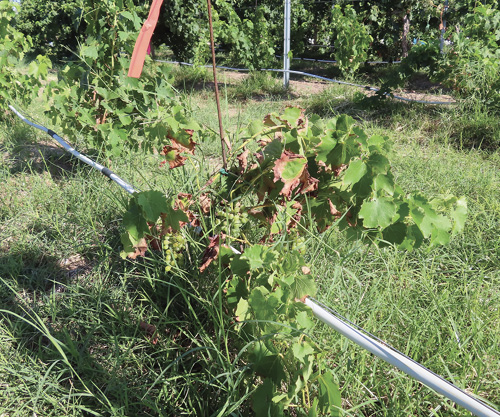
Figure 14A. Signs of Phymatotrichopsis root rot on leaves after replanted in an affected area. The pathogen can live in the soil for extended periods of time, making establishment difficult.
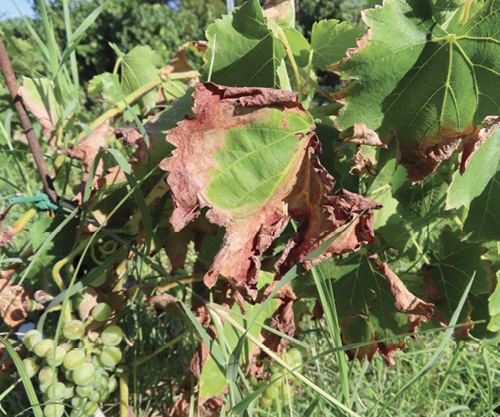
Figure 14B. Signs of Phymatotrichopsis root rot on leaves after replanted in an affected area. Close up of scorched edges in an affected vine leaf.
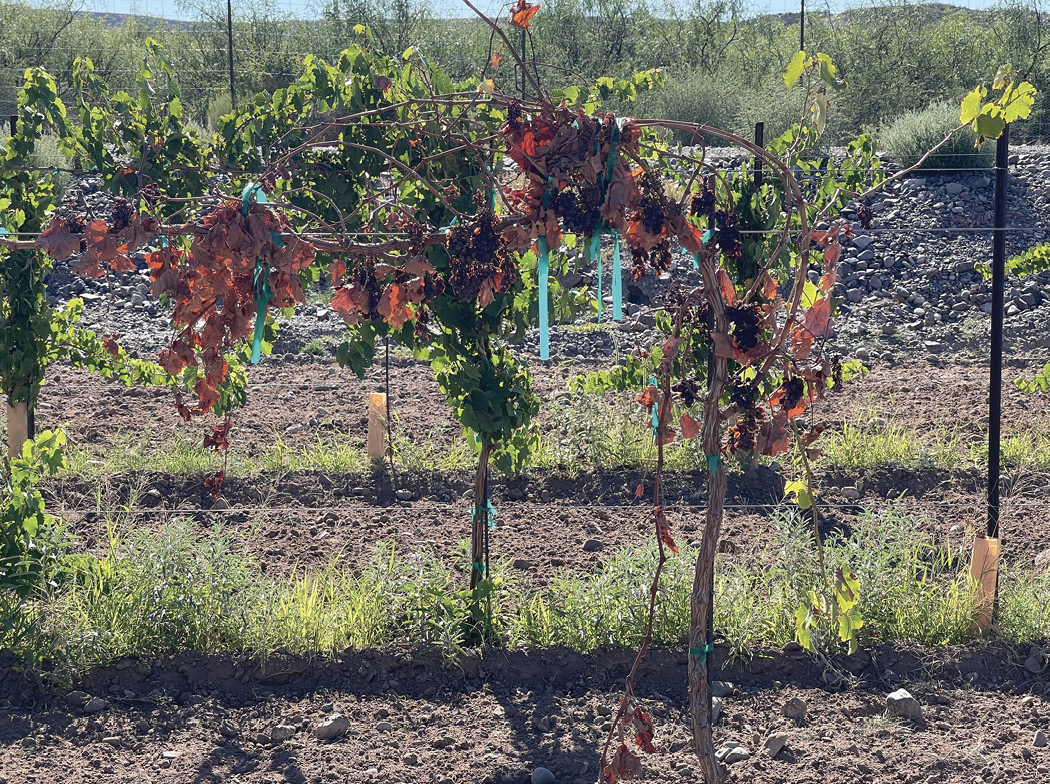
Figure 15. Severe symptoms showing general vine collapse, with scorched and desiccated leaves and clusters that remain attached to the vine.
Grapevine Leafroll Virus
Grapevine leafroll disease is caused by different phloem-limited viruses collectively known as Grapevine leafroll-associated viruses (GLRaVs).
Pattern: Scattered
Timing: Post-veraison through harvest.
Location: Leaves.
Field symptoms
- Leaves often show downward rolling.
- In red cultivars, GLRaV causes interveinal reddening of leaves. Veins usually remain green (Figure 15).
- White cultivars can also be infected, but their leaves do not develop red coloration. Instead, white cultivar leaves may turn pale green or yellow and curl.
- Infected vines with delayed ripening, uneven color development, and lower sugar accumulation (°Brix).
Key identification features
Grapevine red blotch disease is usually characterize by both, the leaf blade and the veins turning red. However, depending on varietals, this may not always be true. Visual diagnosis alone can be unreliable, making laboratory confirmation important when distinguishing from other disorders. Symptoms develop gradually, but consistently year after year. Affected vines are often scattered throughout the vineyard, and some may not show visible symptoms despite being infected, making visual observations unreliable as the only method of diagnosis. For this reason, laboratory testing is recommended when confirmation is needed.
Can be confused with
- Grapevine red blotch virus: Also causes irregular, patchy discoloration, but the veins generally turn red rather than remaining green. Red blotch virus does not generally cause the leaves to curl.
- Nutrient deficiencies (e.g., phosphorus): Symptoms tend to be more uniform across vineyard blocks. Nutritional deficiencies do not generally cause the leaves to curl.
- Water stress: Some cultivars (e.g., Malbec) may develop reddening of leaves under stress, but symptoms are accompanied by wilting and reduced growth rather than a distinct interveinal pattern that develops in late summer.
- Girdling or mechanical damage: Girdling can result in localized reddening and delayed ripening; however, upon inspection, the cause of physical damage to shoots, cordons, or trunks is usually evident and does not progress to healthy parts of the vine.
- Crown gall: Can also cause leaf discoloration when galling is still limited or affects younger vines.
- Normal senescing processes: Some cultivars, like Tempranillo or Alicante Bouschet, naturally develop red coloration as part of the normal aging process, which is not associated with a disease or infection.
Why it matters
The disease reduces vine vigor and can shorten the vineyard lifespan. Infected vines frequently show delayed ripening, lower total soluble solids (°Brix), and higher acidity. Red cultivars can also have poor color development and altered phenolic and anthocyanin profiles. GLRaV disease can also cause smaller clusters and berries, and asynchronous ripening within a block, leading to uneven harvest maturity.
Causes and contributing factors
The virus is primarily spread in two ways: through the propagation of infected plant material and through insect vectors in stablished vineyards. Historically and globally, movement of infected nursery stock has been a major driver of long-distance spread. Within-vineyard spread is largely mediated by insects that can transmit the virus while feeding on phloem.9 Grapevine mealybugs (Pseudococcus maritimus, Pseudococcus spp.) have been confirmed to spread the disease, but they have not been submitted to the NMSU Plant Diagnostic Clinic as of 2026.
Management and next steps
Management of grapevine leafroll disease relies on prevention and containment, because infected vines cannot be cured. The foundation of management is the use of certified, virus-free planting material when planting new vineyards. Monitor vineyards for symptomatic vines and confirm diagnosis through laboratory testing when possible. You can submit your samples to the New Mexico State University Plant Diagnostic Clinic. In the absence of vectors, infected vines can be removed (rogueing) to slow disease spread, particularly in low-incidence situations; however, heavily affected blocks may require a long-term replanting strategy. Consistent monitoring and early detection are key to limiting economic impact.9
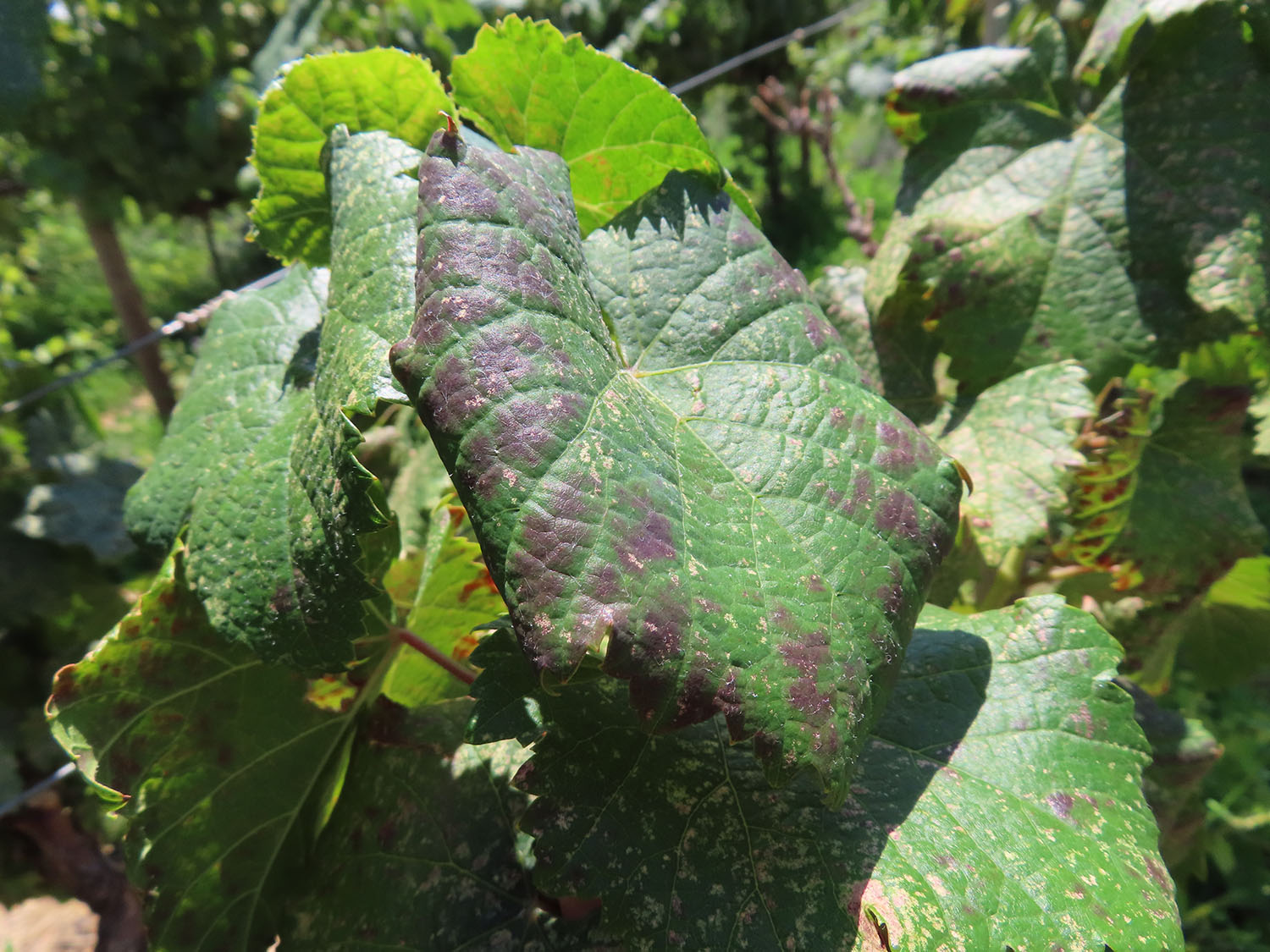
Figure 16A. Leafroll symptoms showing downward leaf curling and interveinal discoloration.
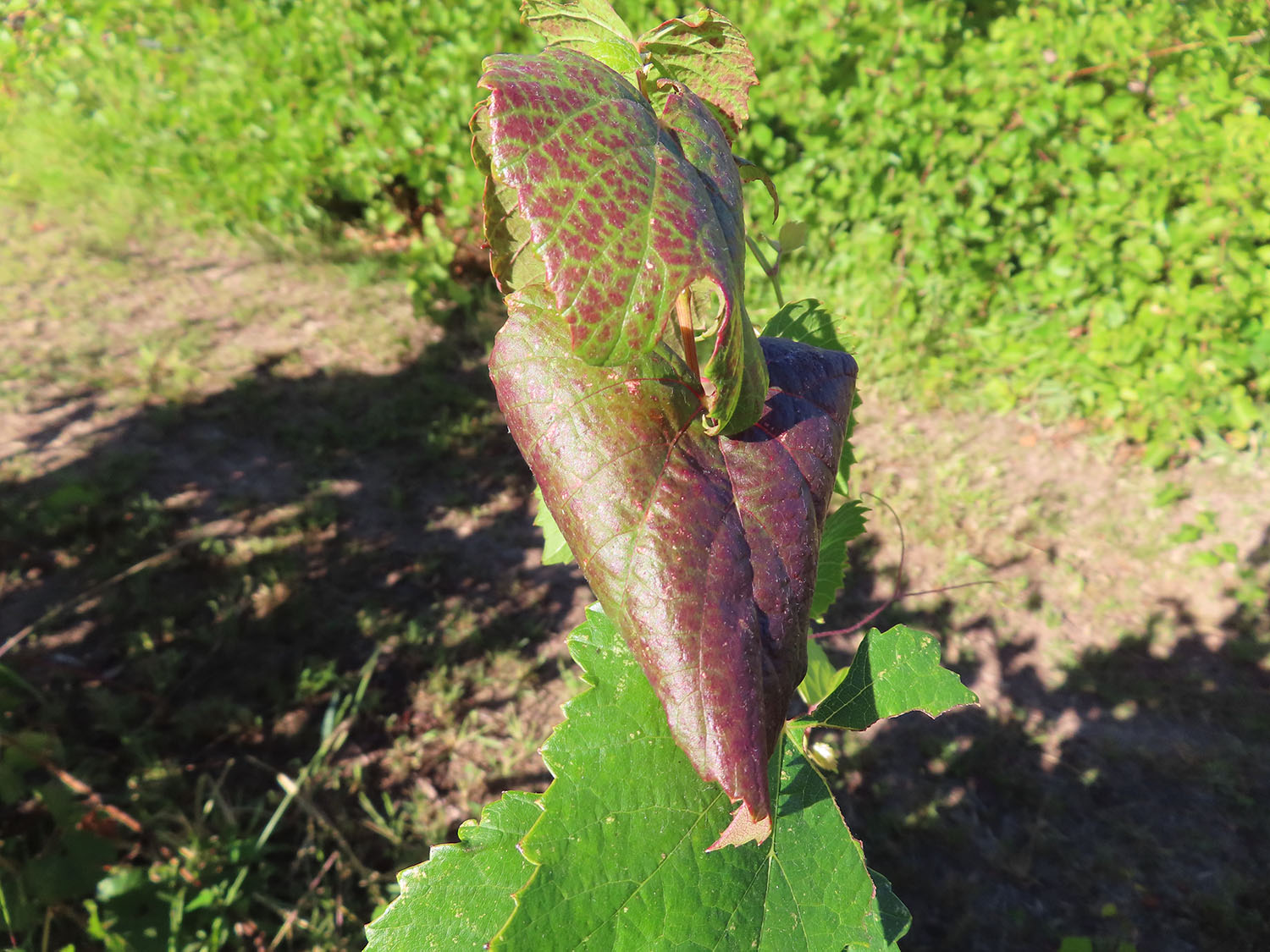
Figure 16B. Leafroll symptoms showing downward leaf curling and interveinal discoloration.
Grapevine Red Blotch Virus
Grapevine red blotch disease (GRBD) is caused by the grapevine red blotch virus (GRBV). The virus is distributed worldwide, including North America. It is likely to have originated from infected propagation material.
Pattern: Scattered individual vines throughout block; consistent year to year.
Timing: Post-veraison through harvest.
Location: Leaves.
Field symptoms
- Symptoms typically appear around or after veraison. In red cultivars, it causes irregular red blotches on leaves. Veins usually turn red as the symptoms progress (Figure 16).
- In white cultivars there is no reddening, but leaves may appear pale green or yellow.
- Infected vines with delayed ripening, uneven color development, and lower sugar accumulation (°Brix).
Key identification features
Grapevine red blotch disease is characterized by both the leaf blade and veins usually turning red as symptoms progress. Red blotch virus does not cause leaves to fold or roll down on the edges like leafroll virus does. Symptoms develop gradually after veraison and may vary in severity across vineyard sites and cultivars. Affected vines are often scattered within the vineyard. Visual diagnosis alone can be unreliable, making laboratory confirmation important when distinguishing from other disorders.
Can be confused with
- Grapevine leafroll virus: Causes leaves to curl downwards. In red cultivars, the veins usually remain green with interveinal reddening (Figure 17).
- Nutrient deficiencies (e.g., phosphorus): Symptoms are more uniform across vines or areas and often affect specific leaf positions consistently, depending on whether the deficient nutrient is mobile or immobile.
- Water stress: Some cultivars (e.g., Malbec) may develop reddish leaves under stress, but symptoms are accompanied by wilting and general vine decline rather than distinct interveinal patterns.
- Girdling or mechanical damage: Can result in localized symptoms and delayed ripening. Physical damage to shoots, cordons, or trunks is usually evident upon inspection.
- Crown gall: Can also cause leaf discoloration when galling is still limited, or affects younger vines.
- Normal senescing processes: Some cultivars, like Tempranillo, naturally develop red coloration as part of the normal aging process, which is not associated with disease or infection (Figure 18).
Why it matters
Grapevine red blotch disease primarily affects fruit ripening, leading to lower sugar accumulation and uneven color development within the vineyard. Infected fruit may reach normal harvest dates, but still lack full flavor and phenolic development, resulting in reduced wine quality. The link between sugar accumulation, acid decline, and phenolic maturity may be uncoupled, explaining why fruit from infected vines can taste “less mature” than expected for its °Brix. Because symptoms can vary between vines and across years, the disease may go unnoticed until its impact on production becomes significant. Over time, the presence of infected vines can reduce overall vineyard uniformity and complicate harvest decisions.10
Causes and contributing factors
GRBV is graft-transmissible and is mostly introduced into the vineyard through infected propagation material from nurseries. Secondary spread within vineyards through insect vectors has been documented in some regions. The three-cornered alfalfa hopper (Spissistilus festinus) is currently the only insect vector with demonstrated epidemiological relevance; however, it has not been reported as a major concern in New Mexico, nor has it been submitted to the NMSU Plant Diagnostic Clinic of 2026.
Management and next steps
Focus on prevention and early detection, as there is no cure for infected vines. Use certified, virus-tested planting material when establishing new vineyards to reduce the risk of introduction. Monitor vineyards for symptomatic vines during the growing season and confirm diagnosis through laboratory testing when possible, as symptoms can be confused with other issues. Infected vines may be removed to limit spread in low-incidence situations, while heavily affected blocks may require long-term management or replanting decisions. Continued monitoring is essential to track disease progression and minimize impacts on fruit quality. Although research continues in vector ecology and management, effective vector control strategies are not yet well established, making clean planting material and early detection the most important aspect for GRBV prevention and management.11
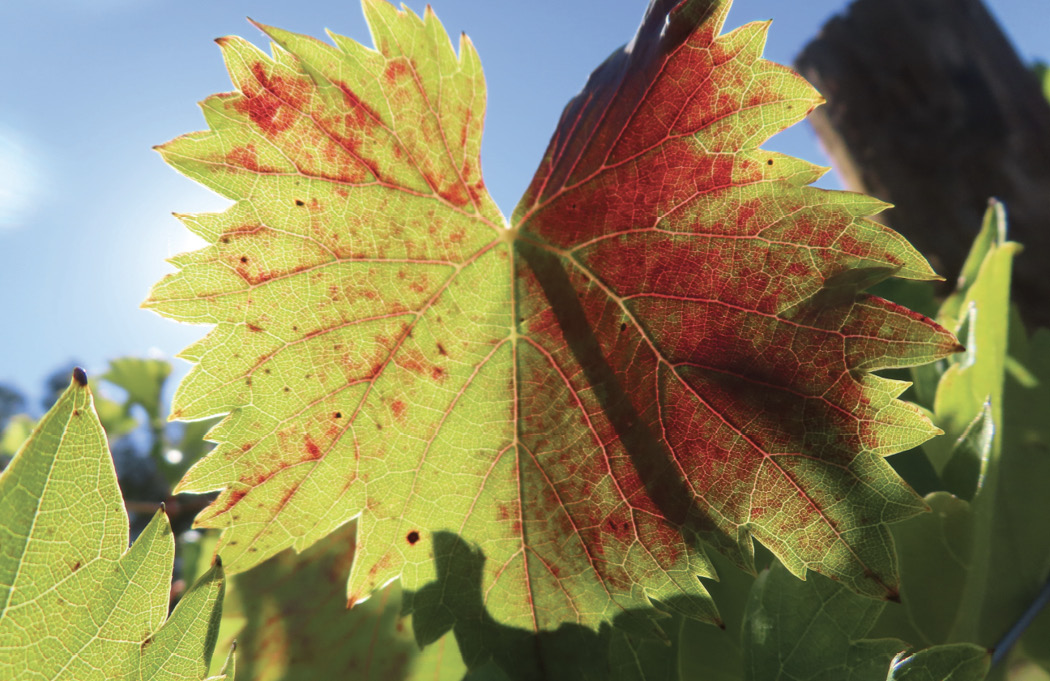
Figure 17. Red blotch infected leaf with veins turning red. Note how the edges of the leaf do not roll or curve down, unlike leafroll disease.
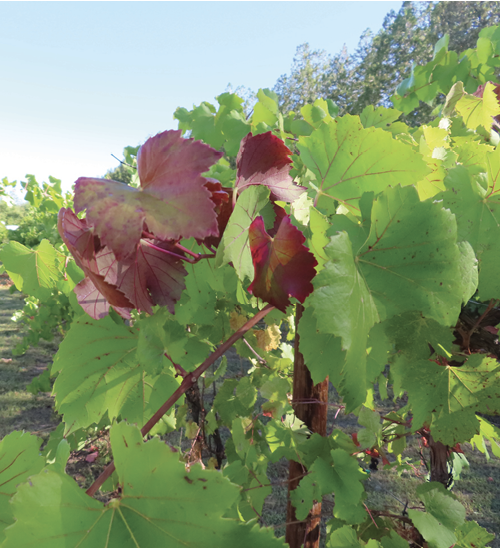
Figure 18A. Red blotch symptoms showing irregular red discoloration on leaves in red cultivars.
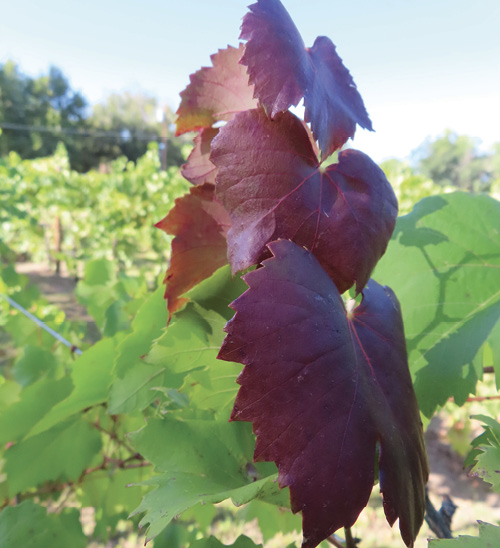
Figure 18B. Red blotch symptoms showing irregular red discoloration on leaves in red cultivars.
Pierce’s Disease
Pierce’s disease is caused by the bacteria Xylella fastidiosa subesp. fastidiosa in grapevines. All cultivars of V. vinifera are susceptible to the disease.
Pattern: Scattered, but clustered in patches within the vineyard.
Timing: Mid- to late summer; symptoms intensify with heat and drought.
Location: Whole vine
Field symptoms
- Marginal leaf scorch that begins at the leaf edge and progresses inwards (Figure 19).
- Leaf scorched areas are often bordered by a distinct yellow band in white cultivars or a dark band in red cultivars.
- Leaves may dry and drop prematurely, leaving petioles attached to the cane (“matchsticks”, Figure 20).
- Later in the season, irregular and often delayed maturation of canes with portions that remain green while others brown normally (green islands).
- Fruit clusters may shrivel, raisin prematurely, or fail to mature completely.
Key identification features
Pierce’s disease symptoms often appear first on a few shoots or portions of a vine and progress over time. The expression of symptoms can vary among cultivars, but the combination of scorched leaves, “matchsticks” (Figure 20), and uneven cane maturation is highly characteristic. Symptoms are typically more severe under hot, dry conditions due to increased water stress caused by a xylem blockage due to the presence of bacteria.
Can be confused with
- Water stress: Symptoms of water stress develop gradually and are usually more uniform across the vine. Water stress does not produce “matchstick” petioles.
- Salinity stress: The accumulation of salts also causes marginal burn and scorched edges, but these signs are typically more uniform, develop gradually, and are associated with irrigation sections.
- Leafroll or red blotch virus: Also cause discoloration of leaves in white varieties, but not marginal scorch or “matchstick” symptom.
- Nutrient deficiencies (e.g., magnesium, potassium, etc.): Can also cause yellowing and/or necrosis on leaf edges, but deficiencies do not cause the “matchstick” symptom or uneven cane maturation.
- Phymatotrichopsis root rot: Also causes marginal scorching and wilting of leaves, but usually lacks a distinct yellow or red band. In advanced stages, Phymatotrichopsis root rot can also cause the matchstick symptom.
Why it matters
Pierce’s disease causes a generalized vine decline, reduced vigor, and poor fruit quality. Infected vines can have delayed budbreak, small leaves, short internodes, and stunting. Vines infected with Pierce’s disease may die within five years, while younger vines, or vines exposed to heat and drought stress, may die within 1-2 years. The disease can spread within vineyards and is difficult to control once established.12
Causes and contributing factors
Xylella fastidiosa can survive throughout mild winters in dormant grapevines. When conditions are suitable, the bacteria can multiply rapidly. In southern New Mexico, where winters are milder, bacterial survival is higher and disease pressure may be greater compared to colder regions.12 Disease transmission can also occur from xylem-feeding insect vectors such as leafhoppers, sharpshooters, and spittlebugs, as well as through propagative material. Note that Erythroneura leafhoppers, commonly found in most viticultural regions of New Mexico, do not feed on the xylem, hence they do not transmit Pierce’s disease. To learn more about common pests in NM vineyards visit: https://pubs.nmsu.edu/_h/H190/index.html
Management and next steps
There is no cure for Pierce’s disease once a vine is infected. Unlike many grapevine diseases, infected vines may partially or completely recover after sufficient exposure to cold temperatures in the winters. This natural recovery, known as “winter curing” or “cold curing”, occurs because freezing temperatures can kill the bacterial populations within the vine. Vineyards in central and northern New Mexico, where winters are generally colder, may have a higher chance of natural recovery. In southern New Mexico, the disease can become more challenging due to milder winter temperatures; however, winter curing is not guaranteed, and recovered vines remain susceptible to reinfection.12 For this reason, management should focus on prevention and limiting disease spread. Plant only certified, disease-free material when establishing new vineyards, and monitor vines regularly for symptoms. Remove infected vines (rogueing) as soon as practical to reduce sources of the bacterium within the vineyard. Managing xylem-feeding insect vectors where they are present can also help reduce transmission. Although severely affected vines may be retrained from healthy basal shoots, severe pruning does not reliably eliminate the disease.13 In areas where Pierce’s disease is common, selecting tolerant or resistant cultivars (https://ucanr.edu/blog/food-blog/article/uc-davis-releases-5-grape-varieties-resistant-pierces-disease) can help reduce losses. Because disease risk depends on both winter survival of the bacterium and the presence of insect vectors, prevention, early detection, and clean planting material remain the most effective long-term management strategies.
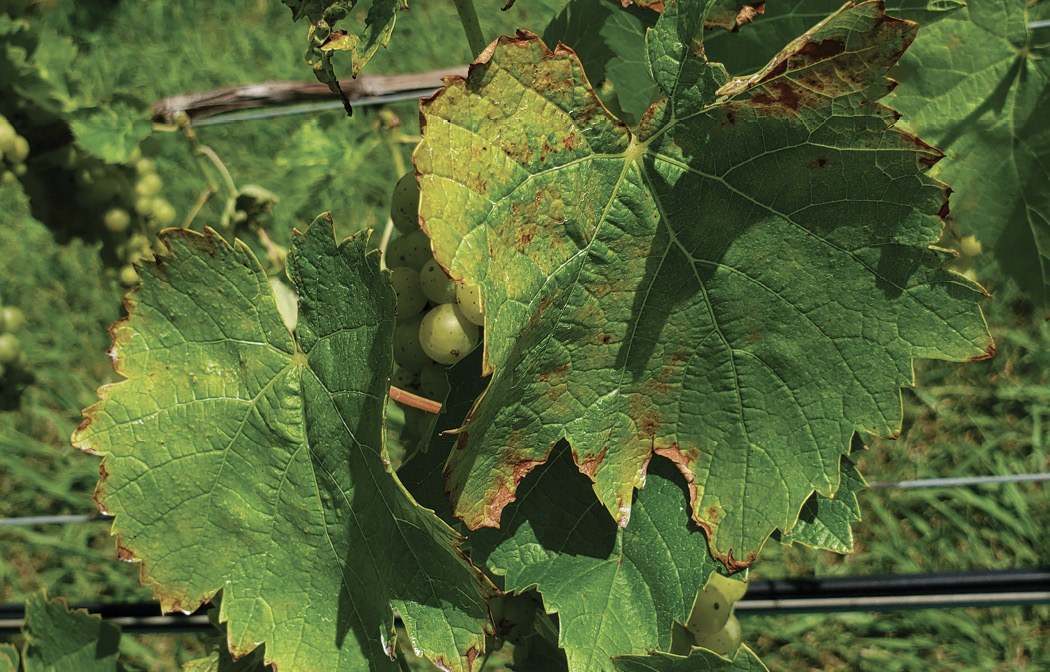
Figure 19. Early-season symptoms of Pierce’s disease on grapevine leaves. The leaf edges are scorching, with a yellow band forming around.
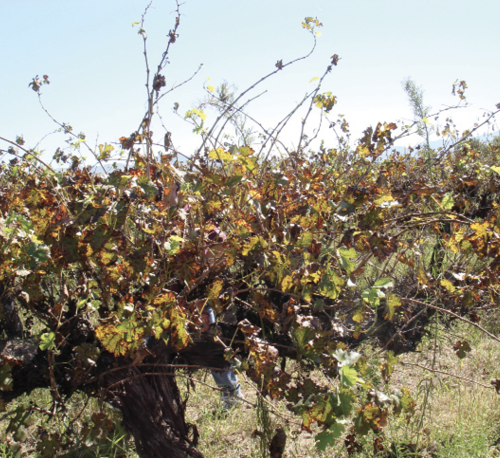
Figure 20A. Advanced symptoms of Pierce’s disease, with scorched yellow leaves.
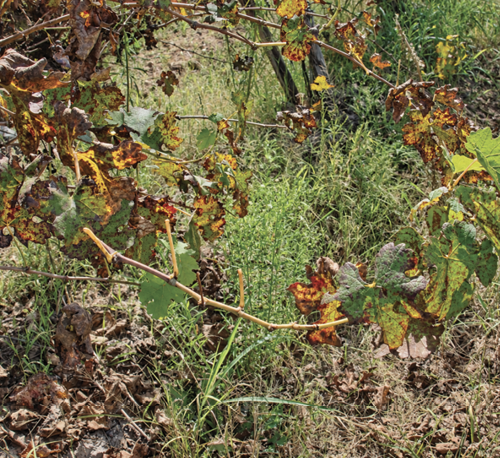
Figure 20B. Some leaves fall off leaving the petioles attached, called the “matchstick" symptom.
Crown Gall
Crown Gall is a widespread disease caused by the bacterial pathogen Allorhizobium vitis (formerly Agrobacterium vitis). This pathogen requires physical wounds to infect vines. It is more common in regions that experience winter temperatures that can cause cold injury. As such, it will generally be seen more often in northern New Mexico or higher elevation growing sites.
Pattern: Scattered.
Timing: Spring (growth reveals symptoms)
Location: Primarily trunk, especially graft union and soil line. However, it can also show in cordons, canes, and even roots.
Field symptoms
- Swollen, rough, tumor-like growth called “galls”.
- Galls most commonly form near the graft union or soil line, but they can also form on cordons or canes.
- Early galls are soft and light-colored; older galls become dark, woody, and rough, with a “bubbly” appearance (Figure 21).
- Vines may show reduced vigor, weak shoot growth, or dieback in severe cases
- Young vines may collapse quickly if girdled.
Key identification features
The most significant and identifiable characteristic of crown gall disease is fleshy galls produced by the vine in response to infection (Figure 21). Cutting into galls reveals disorganized plant tissue rather than normal wood structure. The galls are most often found on the lower trunk (crown), around graft unions and near the soil line, but can be observed on cordons and canes.
Can be confused with
- Grapevine trunk diseases: Also cause dieback, but do not produce galls.
Why it matters
The formation of galls can partially or totally restrict vascular flow, reducing water and nutrient transport. Severe infections can girdle vines, leading to a generalized decline or even death, depending on severity. Reduced vine vigor, yield, and grape quality are expected on severely infected vines.
Causes and contributing factors
Typically, the bacteria can infect healthy vines by taking advantage of open wounds caused by physical damage, such as mechanical injury, freeze damage, or insect/animal damage. Once the bacteria enter the site, it transfers a piece of its own genetic material to the grapevine, which alters normal cell functions causing uncontrolled plant cell division, growth, and gall production. Contaminated nursery stock can also introduce the pathogen into new vineyards.14
Management, and next steps
Management of crown gall relies primarily on prevention and minimizing vine injury (e.g., weed whacking, tractor damage, etc.). Planting certified, disease-free nursery stock is essential to avoid introducing the pathogen into new vineyards. Because infection commonly occurs through wounds, efforts should focus on reducing mechanical damage and protecting vines from freeze injury, particularly in colder or high-elevation areas. Selecting cold-hardy cultivars and appropriate sites can significantly reduce risk. In areas prone to winter injury, practices such as hilling soil over graft unions during the winter may help protect sensitive tissues. Severely affected vines should be removed, as recovery is limited. In heavily affected sites, replanting may require additional planning due to pathogen persistence.14
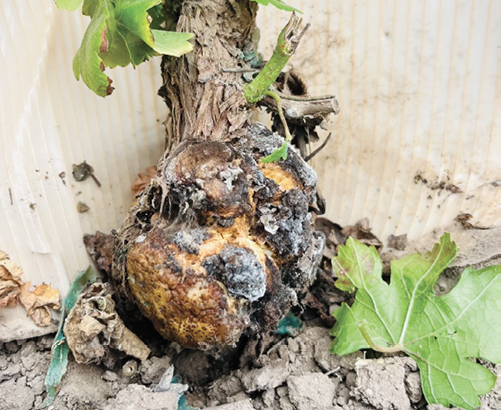
Figure 21A. Crown gall formation on grapevine trunk near the graft union, showing rough, tumor-like masses.
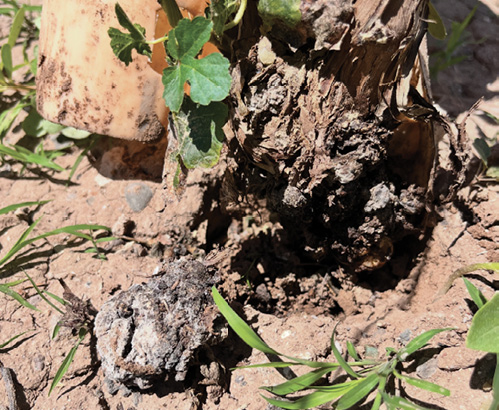
Figure 21B. Crown gall formation on grapevine trunk near the graft union, showing rough, tumor-like masses.
Glossary
- Abiotic/Biotic stress: Abiotic stress is caused by non-living factors such as drought, heat, frost, salinity, or herbicides. Biotic stress involves a living organism, like viruses, bacteria, or insects.
- Chlorosis: Yellowing of grapevine leaf tissue caused by a reduction or loss of chlorophyll, the pigment responsible for photosynthesis. It often appears between leaf veins (interveinal chlorosis) or across entire leaves and is commonly associated with nutrient deficiencies, root problems, or environmental stress.
- Inoculum: The source of a pathogen that can cause infection (spores, infected plant tissue, etc.).
- Pathogen: A microorganism that causes disease (fungus, bacteria, or viruses).
- Phytotoxic/ Phytotoxicity: Describes a substance or condition that is toxic to plant tissues, often resulting in symptoms like leaf burn, distortion, chlorosis, or the death of the tissue.
- Phloem: Plant tissue that transports sugars and nutrients from leaves to other parts of the vine.
- Necrosis: Death of plant cells or tissues, resulting in brown, black, or dry, dead areas. It can occur in clearly defined spots (pie shaped), leaf margins (scorched edges), or across entire tissues. It is often associated with disease, environmental injury, or severe stress.
- Senescence: The natural aging process of plant tissues. In leaves, senescence typically induces changes in color (e.g., green to yellow or red), followed by leaf fall.
- Xylem: Plant tissue that transports water and minerals from roots to leaves.
References
- Gadoury, D.M., Cadle-Davidson, L., Wilcox, W.F., Dry, I.B., Seem, R.C., & Milgroom, M.G. (2012). Grapevine powdery mildew (Erysiphe necator): a fascinating system for the study of the biology, ecology and epidemiology of an obligate biotroph. Molecular plant pathology, 13(1), 1-16. DOI: 10.1111/j.1364-3703.2011.00728.x
- Moyer, M.M., Gadoury, D.M., Wilcox, W.F., & Seem, R.C. (2016). Weather during critical epidemiological periods and subsequent severity of powdery mildew on grape berries. Plant disease, 100(1), 116-124. DOI: 10.1094/PDIS-12-14-1278-RE
- Steel, C.C., Blackman, J.W., & Schmidtke, L.M. (2013). Grapevine bunch rots: impacts on wine composition, quality, and potential procedures for the removal of wine faults. Journal of agricultural and food chemistry, 61(22), 5189-5206. DOI: 10.1021/jf400641r
- Molitor, D., Baus, O., Hoffmann, L., & Beyer, M. (2016). Meteorological conditions determine the thermal-temporal position of the annual Botrytis bunch rot epidemic on Vitis vinifera L. cv. Riesling grapes. Oeno One, 50(4). DOI: 10.20870/oeno-one.2016.50.4.36
- Hall, M.E., Loeb, G.M., Cadle-Davidson, L., Evans, K.J., & Wilcox, W.F. (2018). Grape sour rot: a four-way interaction involving the host, yeast, acetic acid bacteria, and insects. Phytopathology, 108(12), 1429-1442. DOI: https://doi.org/10.1094/PHYTO-03-18-0098-R
- Fontaine, F., Gramaje, D., Armengol, J., Smart, R., Nagy, Z.A., Borgo, M., & Corio-Costet, M.F. (2016). Grapevine trunk diseases. A review. International Organization of Vine and Wine (OIV). ISBN: 979-10-91799-60-7.
- Percy, R.G. (1983). Potential range of Phymatotrichum omnivorum as determined by edaphic factors. Plant Disease, 67(9), 981–983. DOI: 10.1094/PD-67-981
- Uppalapati, S.R., Young, C.A., Marek, S.M., & Mysore, K.S. (2010). Phymatotrichum (cotton) root rot caused by Phymatotrichopsis omnivora: retrospects and prospects. Molecular Plant Pathology, 11(3), 325–334. DOI: 10.1111/j.1364-3703.2010.00616.x
- Naidu, R.A., Maree, H.J., & Burger, J.T. (2015). Grapevine leafroll disease and associated viruses: a unique pathosystem. Annual Review of Phytopathology, 53(1), 613-634. DOI: 10.1146/annurev-phyto-102313-045946
- Martínez-Lüscher, J., Plank, C.M., Brillante, L., Cooper, M.L., Smith, R.J., Al-Rwahnih, M., & Kurtural, S.K. (2019). Grapevine red blotch virus may reduce carbon translocation leading to impaired grape berry ripening. Journal of agricultural and food chemistry, 67(9), 2437-2448. DOI: 10.1021/acs.jafc.8b05555
- Cieniewicz, E., & Fuchs, M. (2025). Grapevine red blotch disease: a threat to the grape and wine industries. Annual Review of Virology, 12. DOI: 10.1146/annurev-virology-092623-101702
- Giménez-Romero, A., Galván, J., Montesinos, M., Bauzà, J., Godefroid, M., Fereres, A., & Moralejo, E. (2022). Global predictions for the risk of establishment of Pierce’s disease of grapevines. Communications Biology, 5(1), 1389. DOI: 10.1038/s42003-022-04358-w
- Daugherty, M.P., Almeida, R.P., Smith, R.J., Weber, E.A., & Purcell, A.H. (2018). Severe pruning of infected grapevines has limited efficacy for managing Pierce’s disease. American Journal of Enology and Viticulture, 69(3), 289-294. DOI: 10.5344/ajev.2018.18003
- Filo, A., Sabbatini, P., Sundin, G.W., Zabadal, T.J., Safe, G.R., & Cousins, P.S. (2013). Grapevine crown gall suppression using biological control and genetic engineering: a review of recent research. American journal of enology and viticulture, 64(1), 1-14. DOI: 10.5344/ajev.2012.12038

Geraldine Diverres Naranjo is the NMSU Viticulture Extension Specialist focused on irrigation management, vine physiology, and the effect of vineyard management on fruit quality in arid climates.
To find more resources for your business, home, or family, visit the College of Agricultural, Consumer and Environmental Sciences on the World Wide Web at pubs.nmsu.edu/
Contents of publications may be freely reproduced for educational purposes. All other rights reserved. For permission to use publications for other purposes, contact pubs@nmsu.edu or the authors listed on the publication.
New Mexico State University is an equal opportunity employer and educator. NMSU and the U.S. Department of Agriculture cooperating.
October 2026, Las Cruces, NM