Guide H-189
Douglas Cram, Richard Heerema, and Jack Blandford
College of Agricultural, Consumer and Environmental Sciences, New Mexico State University
Authors: Respectively, Extension Forest and Fire Specialist; Extension Pecan Specialist; and Luna County Extension Director and Agent. All from New Mexico State University. (Print-Friendly PDF)
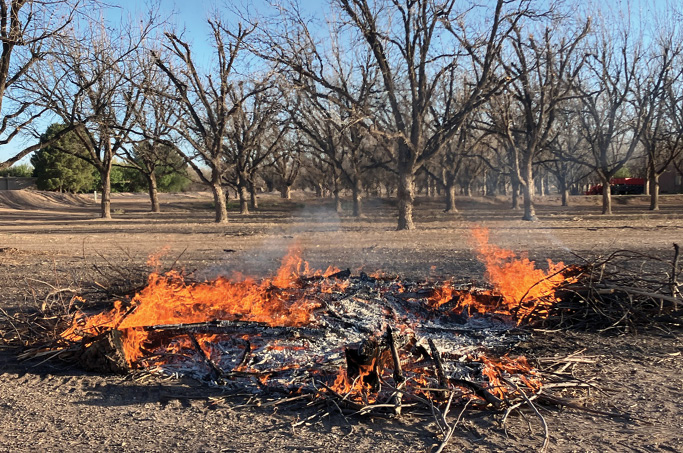
Figure 1. Open burning of pecan brush pile in the Mesilla Valley, New Mexico.
Introduction
Pecan orchards produce byproducts in the form of husks, shells, leaves, and, as it relates to this publication, twigs, limbs, and branches generated from pruning activities. Mechanical pruning in mature orchards, commonly referred to as “hedging” or “topping” in the industry, has become a standard commercial practice in New Mexico to prevent tree crowding and limit height growth. However, this management activity, and to a lesser degree, hand pruning, produce significant amounts of biomass.
One practice to reduce on-site residual biomass is open burning. Advantages of this practice include low cost, ease of use, and high efficacy. Disadvantages include smoke production–which has negative impacts on air quality––and exposure to liability from said smoke, as well as potential damage from an escaped fire. This guide aims to highlight open-burning considerations that increase the likelihood of positive outcomes as they relate to pecan orchard management.
Alternatives to Burning
Before selecting pile burning as a disposal technique, there are alternative practices to burning with their own pros and cons that should be recognized and considered prior to making a decision to burn. Further, New Mexico’s open burning rule, under which pile burning is authorized, requires consideration of alternative disposal options. Consider exploring these options (in no particular order) as appropriate depending on scale, volume, and management objectives. A combination of alternatives, including burning, is also possible.
- Firewood: Selling or making firewood available is an alternative option to open burning; while smaller diameter material (<3 inches) may not be suitable for firewood, standard orchard practices and natural branch deadfall produce significant amounts of firewood-sized material.
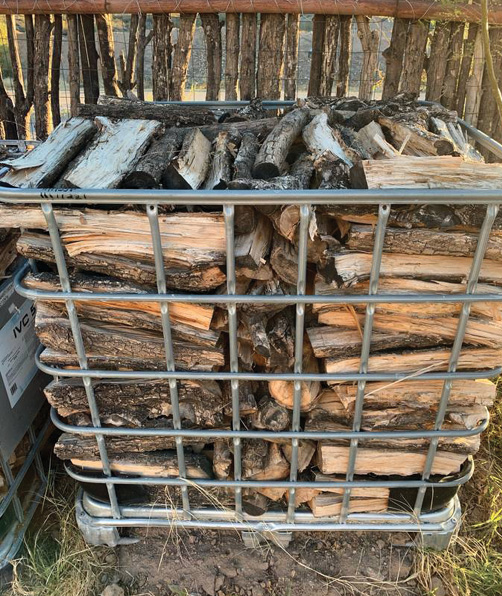
Figure 2. An example of how pecan firewood can be organized for sale.
- Shredding: This practice has become more popular over the last 20 years in orchard management as producers seek alternatives to burning. Research results indicate wood chips had no effect on soil pH, electrical conductivity, or bulk density after one, two, or three treatment applications (given an added nitrate source, ammonium sulfate, to balance the carbon-to-nitrogen ratio to 30:1).1 Pecan chip amendment would likely increase water-holding capacity of coarse-textured soils, improve soil tilth, and enhance soil organic matter and aggregate stability at higher application rates.1 It should be noted, new shredding equipment specifically designed for orchards is expensive (i.e., $100,000+), although less expensive options (i.e., $30,000) and run-of-the-mill brush hogs (<$10,000) are capable of getting the job done. Orchard prunings can also be fed through a chipper to create landscaping mulch or feedstock for composting material.
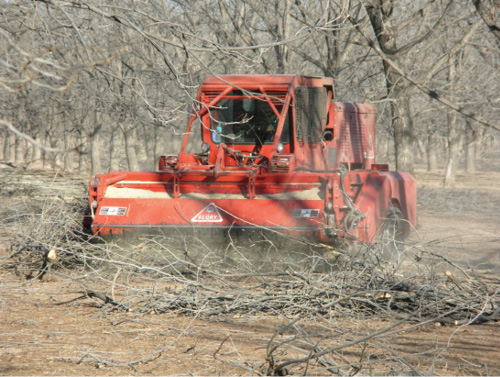
Figure 3. Shredding pecan twigs, limbs, and branches after pruning.
- Air-curtain burner: Historically, this practice is not as common in orchard management as compared to other techniques but continues to see increased use where narrow air quality thresholds are in place to regulate pollutants. To this point, air-curtain burners are designed with two simultaneous goals in mind: to reduce woody biomass and air pollutants. An “air curtain” is created by positioning blowers on top of a steel “burn box.” As smoke particles rise up on hot gases from the fire below, they are trapped under the air curtain. These particles are then re-burned, and their size is further reduced. Downsides include the initial investment (between $80,000 – $165,000) and the heavy equipment required to move the burn box, as well as load biomass (although this equipment is often on-site in orchard management). Additional considerations included fuel costs to run the device.
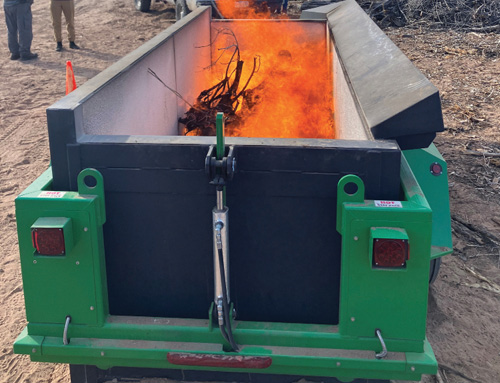
Figure 4. Mobile air curtain burner in use to reduce tree biomass.
- Biofuel production: Common uses for biomass include the production of biofuel. Examples of biofuel include biogas, biodiesel, and wood pellets. Alternative energy sources such as biofuel continue to be an area of interest across the U.S., including in the Southwest. While wind and solar energy production are well-represented across New Mexico, biomass energy production has not seen widespread adoption in the state. Likewise, a 2008 New Mexico State University report explored whether using Doña Ana County pecan pruning’s would be sufficient to sustain commercial power production; the report concluded it was not feasible at the time due to a lack of feedstock volume necessary to sustain industry operations.2 However, as new acres of pecans are added and as technology and demand change, the calculation could change in the years ahead.
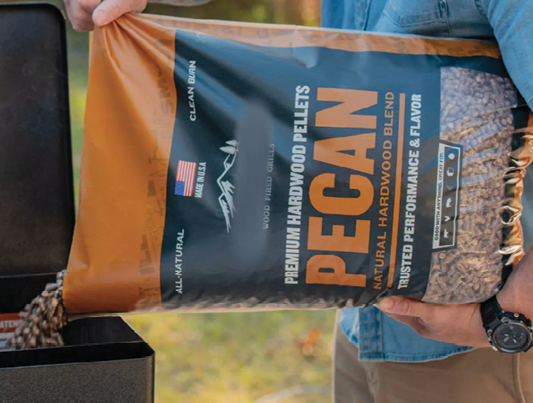
Figure 5. Example of pellets made from pecan wood.
- Biochar production: Biochar can be produced in the orchard through the use of a low-cost kiln (e.g., metal ring or box).3,4 Biochar is a charcoal-like substance produced by heating biomass in a low-oxygen environment (a process called pyrolysis). Biochar can be used to amend soils with the following potential benefits5: Increasing soil capacity to sorb plant nutrients thereby reducing leaching losses of nutrients; decreasing soil bulk density, leading to less-compacted soil conditions favorable for root growth and water permeability; increasing the soil cation exchange capacity; increasing soil microbial activity and diversity; increasing plant available water retention; and increasing crop yields. However, applying biochar to desert soils, including within orchards, requires attention to application rates due to consideration of impacts on soil salinity and pH/nutrient availability.6
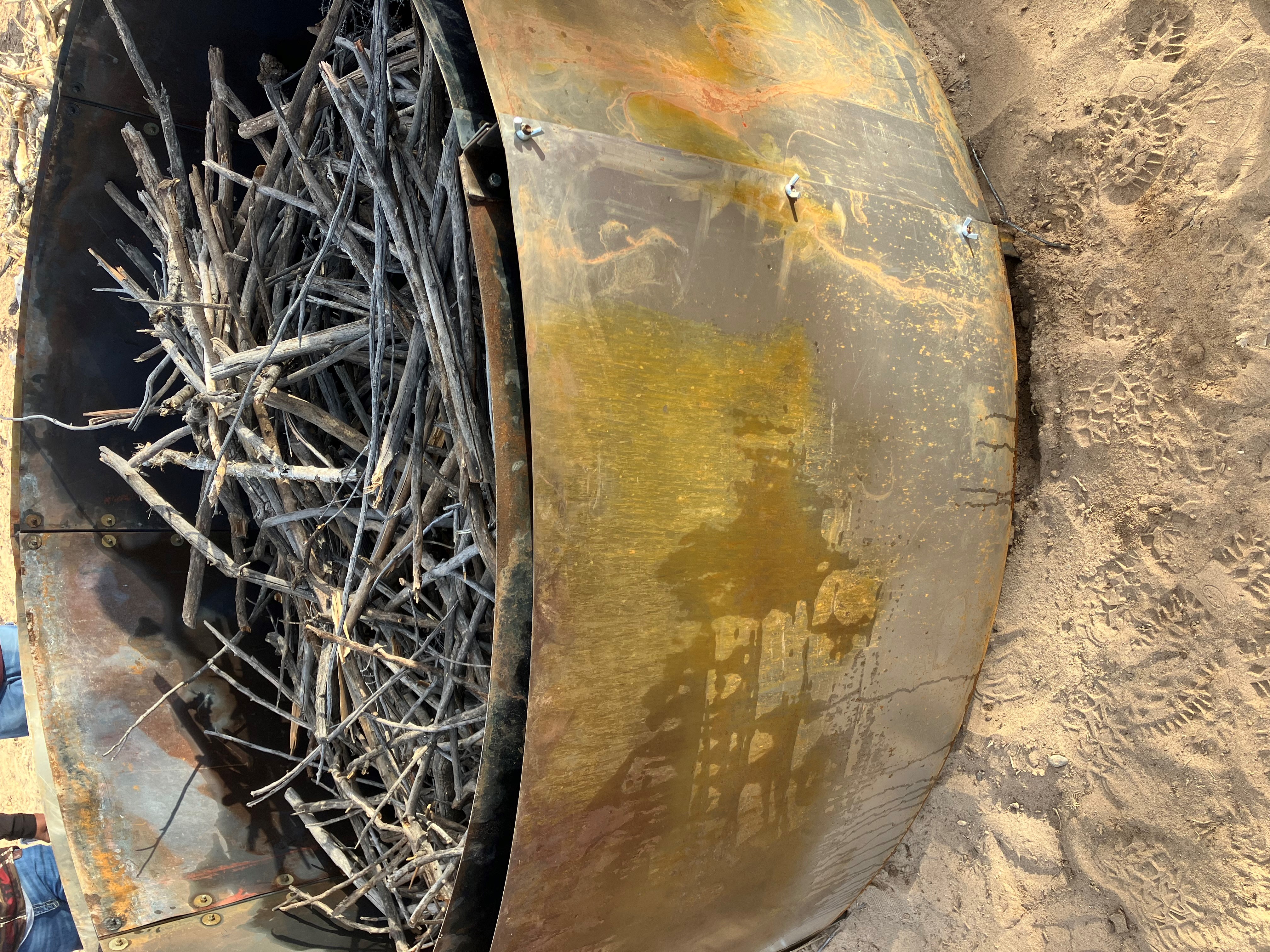
Figure 6a. Low-cost metal kiln loaded up with pecan limbs.
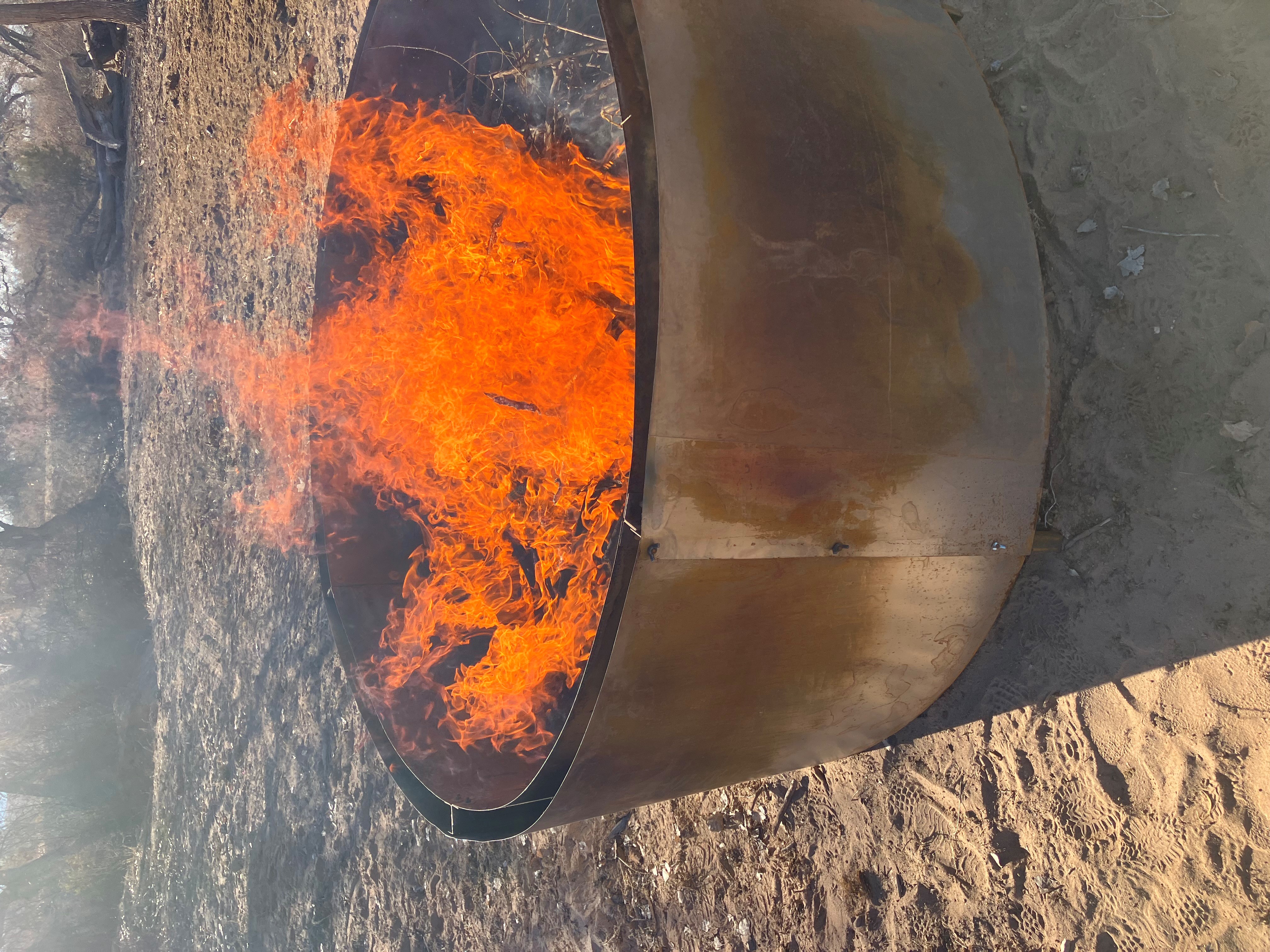
Figure 6b. Low-cost metal kiln loaded up with pecan limbs and ignited to make biochar.
Open Burning Hazards
Below are hazards to be aware of when conducting open burning operations:
- Radiant heat to adjacent trees: Depending on pile volume and distance, physiological tree damage can result due to radiant heat. In particular, damage to buds and cambium is possible, even in the dormant season. Maximize distance between piles and trees (see “where to locate piles” below for more information).
- Reduced visibility due to smoke: Adjacent roadways can be impacted due to heavy smoke, reducing visibility for drivers. This can be extremely dangerous. See “smoke management” below for mitigating actions.
- Escaped fire: Embers from an open burn are capable of blowing off-site and igniting receptive fuels such as dried grasses, leaves, shrubs, and even structures. Likewise, depending on burn site conditions, flames from a pile burn can ignite adjacent fuels.
- Smoke inhalation: PM10 refers to very small particles suspended in the air (typically found in dust and smoke). These particles have a diameter of 10 micrometers (0.01 mm or 10 µm) or smaller. Exposure to high concentrations of PM10 can have negative health impacts on both orchard laborers and individuals downwind.7
- Explosive potential of volatile accelerants: It may be tempting to use an accelerant such as gasoline to ignite a pile or accelerate fire intensity. This practice is exceptionally hazardous and should never be attempted. Diesel fuel or a mixture of gasoline and diesel (at a ratio of 1:3; one part gasoline to three parts diesel) and applied via a drip torch is considered a best practice for igniting piles.
- Arcing power lines: Dense smoke from a pile burn can cause arcing with overhead power lines. This phenomenon occurs when carbon particles and water vapor within the smoke column form a conductive path for electricity. Do not construct or burn piles below power lines.
Laws, Policies, Rules
New Mexico’s open burning rule (20.2.60 NMAC8) allows for agricultural burning without a permit. However, the burner is obligated to know and follow these requirements (Note, agricultural pile burning is not considered “prescribed burning” and therefore, by definition, does not fall under the New Mexico Prescribed Burning Act (NMSA 1978, Section 68-5-1 et seq.)).9
- Consider alternative management practices before deciding to burn (see examples above).
- Pile burning shall not exceed 1,000 cubic feet of volume per day. Exceeding this threshold subjects burners to follow the New Mexico Smoke Management Rules (20.2.65 NMAC10). (Note: 1,000 cubic feet of pruning debris is a significant amount; equivalent to six piles, 6 feet in height and width).
- Burners shall allow fuels to dry out as much as possible. Dry fuels produce less smoke as compared to wet fuels.
- Burning shall be conducted at least 300 feet from dwellings, workplaces, or places where people congregate.
- Burning shall begin no earlier than one hour after sunrise and be extinguished no later than one hour before sunset.
- Burn site shall be attended to at all times.
- Burner shall notify the fire authority prior to ignition (e.g., fire department, volunteer fire department, local dispatch, etc.).
- If pile volume is greater than 100 cubic feet per day, then prior notification of location and date of burn to all households within ¼ mile of the burn is required.
- Ignition devices may be utilized (e.g., drip torch) with “no oil heavier than number two diesel” fuel to be used. The rule states burners shall use as little auxiliary fuel as possible in the ignition process.
How to Construct Piles
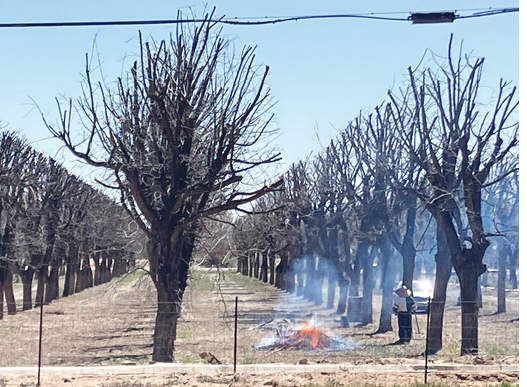
Figure 7a. Burning a pecan pile built by hand.
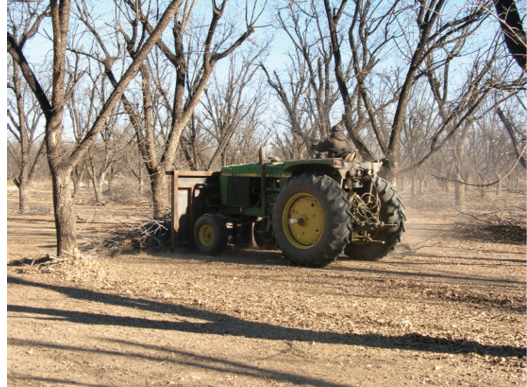
The goal for agricultural pile burning is to achieve near-complete and efficient burns—this begins with proper piling technique. While it may seem simple to create a burn pile, there are a few techniques and tips to follow to ensure a successful burn.
There are generally two types of piles: hand-piled and mechanically piled (Figure 7). Hand piles are constructed manually, whereas mechanical piles are assembled via the use of mechanical equipment (e.g., tractor, skid steer, excavator, or similar). Burning hand piles is typically straightforward because individuals can easily control all the factors that go into pile construction, for example, diameter and length of fuel, height and width of pile, and pile location. On the other hand, burning machine piles can be problematic for several reasons. For example, machine piles tend to be characterized by greater fuel loading, larger diameter material, higher pile heights, and most problematic–the presence of soil within the fuel profile. All of these factors impact smoke production and, therefore, smoke management. At the same time, large operations have few options outside of mechanical piling. In these cases, attention to detail by the machine operator is advised, particularly by mitigating pile size and location, and striving to keep soil out of the burn profile.
How to Create Hand Piles (or burn rows):
- Size and Frequency: As a general concept, more “smaller” piles are safer than fewer “bigger” piles.
- Height: Piles should be no greater than 5-6 feet in height; creating larger piles can be problematic as it relates to fire intensity and smoke management.
- Fuel Size: Utilize material/fuel that is less than or equal to six inches in diameter and less than six feet in length. Avoid burning large diameter material (e.g., > eight inches); these fuels tend to burn incompletely (thereby creating more smoke). Likewise, do not add rotten or punky wood to a pile for the same reasons.
- Shape: Pile fuel in a dome shape; place limbs and branches in a manner so as to create a series of dense, overlapping layers of vegetation/leaves/fuel. Pile branches with the cut-end pointed toward the outside of the pile. A compact (dry) pile will burn with greater intensity and thereby produce less smoke. This will also result in greater material consumption.
- Moisture: Drier piles/fuel produce greater fire intensities that ultimately generate less smoke.
- Fireline: Depending on ignition day conditions, consider scraping a fire-line around each pile as appropriate. Two feet wide to mineral soil is recommended for small to medium-sized piles.
- Avoid Soil: Keep soil out of the pile—it causes incomplete combustion and greater amounts of smoke. Likewise, do not burn stumps, grass clippings, hay, construction material, treated lumber, trash, or other debris.
Where to Locate Piles/Rows:
- Locate piles away (30 feet) from operational boundary lines.
- Do not locate piles within 50 feet of adjacent trees or overhanging canopies. The convective column of heat will reach 3-5 times the height of the pile and can scorch adjacent trees and overhead canopies if setback is not observed. Multiple smaller piles vs. one large pile may be necessary to mitigate intense radiant heat from damaging nearby trees.
- To minimize smoke hazards and nuisance, do not locate piles near roadways, homes, or sensitive areas (such as airports, schools, hospitals, or senior living facilities).
- When necessary, create a ring of mineral soil around a pile at least two feet wide to prevent unwanted fire creep and spread.
- Do not build piles over stumps, exposed roots, or large diameter logs. After the initial burn, fire can smolder in these features and reemerge at a later point in time and location.
- Do not build piles below power lines.
- Do not locate piles close (50 feet) to buildings, structures, or vehicles.
When to Light Piles
Fuel Considerations: Dry fuels burn with greater efficiency and produce less smoke; strive to ensure fuel is as dry as possible.
Weather Considerations: Fire behavior is influenced by weather, topography, and fuels. Weather is the most important and dynamic factor in relation to pile burning and fire behavior. As such, weather is a critical factor to consider when deciding whether to light piles on a particular day (Table 1). The three most important weather factors to evaluate for burning are temperature, relative humidity, and wind (to include speed and direction).
|
Table 1. Suggested weather parameters to guide decisions on when to burn pecan piles. |
|||
|
Fire Weather Factors |
Low |
Optimum |
High |
|
Temperature (F) |
32 |
45 – 65 |
70 |
|
Relative Humidity (%) |
30 |
35 – 55 |
60 |
|
20-foot wind speed (mph) |
Not |
0 - 10 |
13 |
|
Ventilation Rate Category |
Fair |
Good |
Very Good |
Temperature: Warmer temperatures result in warmer fuels. The greater the fuel temperature, the easier it is to ignite and burn. For example, fuels exposed to direct sunlight can be up to 50°F warmer than adjacent fuels in the shade. In this scenario, an observer would see a difference in fire behavior (flame lengths, intensity) between piles in the sun vs. shade.
Relative Humidity: Relative humidity (%), typically expressed as “RH,” is inversely related to temperature; that is, as temperature increases, relative humidity decreases. As such, at dawn when temperatures tend to be at their lowest value, relative humidity is at its greatest value. As the day progresses and temperatures reach their afternoon peak, relative humidities are at their lowest value. Increased fire behavior (flame lengths and intensity) is greatest when humidities are at their lowest levels.
As it relates to fire behavior, relative humidity impacts fuel moisture, particularly smaller diameter fuels, which relates directly to flame length and smoke production. Fuel moisture is in a constant state of flux (either increasing or decreasing) based on relative humidity.
Wind: As it relates to fire behavior, wind encourages combustion and spread of fire as follows: 1) provides a continuous supply of oxygen; 2) determines the direction of fire spread (e.g., a southwest wind); 3) dries out fuels; 4) carries embers across firebreaks, resulting in spotfires; and 5) moves air heated by convection to downwind fuels.
Wind speed and direction are the most challenging weather variables to forecast (or the most likely to differ from the forecast). On occasion, the forecast does not match the actual conditions on the ground, particularly in terms of wind speed and direction. On the day of the burn, it is essential to evaluate on-site weather conditions to determine whether they are indeed suitable for burning (in other words, do not rely solely on the forecast; monitor on-the-ground weather conditions every hour). Likewise, make sure the wind direction is compatible with your smoke management plan (i.e., not blowing smoke onto roadways, neighbors, or sensitive areas). Never burn under red-flag conditions (Figure 8) or when a county burn-ban is in effect.
In addition, the weather on the day(s) following a burn is also important to consider, depending on the condition of the ash pile. Embers in an ash pile can be rekindled and potentially picked up by wind gusts and moved off-site to ignite adjacent fuel, resulting in a wildland fire event. See mop-up recommendations below to prevent this scenario. Finally, it is important in burning to understand how wind direction is communicated. The standard wind direction protocol is as follows: Wind direction is always stated as the direction from which the wind blows. As such, as southwest wind means the wind is blowing from the southwest to the northeast.
Atmospheric Stability: Understanding atmospheric stability is useful in open burning to be able to manage smoke.
Atmospheric stability is a characterization of the tendency for vertical motion of air. The stability of the atmosphere affects vertical growth potential of clouds, convective smoke columns, and for the purposes of open burning, the dispersion of smoke. An unstable atmosphere promotes vertical growth, while a stable atmosphere limits vertical growth. As such, smoke dispersion improves during unstable conditions and conversely is limited given a stable atmosphere. However, too much instability can cause winds to be turbulent and gusty, leading to erratic fire behavior. Further, thunderstorms occur during unstable conditions and increase the likelihood of downdraft winds. A slightly unstable atmosphere helps smoke disperse vertically, lifting and drifting downwind. Often, such conditions occur before the arrival of a cold front. Limited vertical motion and drift with a stable air mass may be acceptable if the burn is small and no smoke-sensitive areas will be impacted. Burn when the ventilation rate category is “good” or “very good”; “fair” is acceptable, but never burn under “poor”.
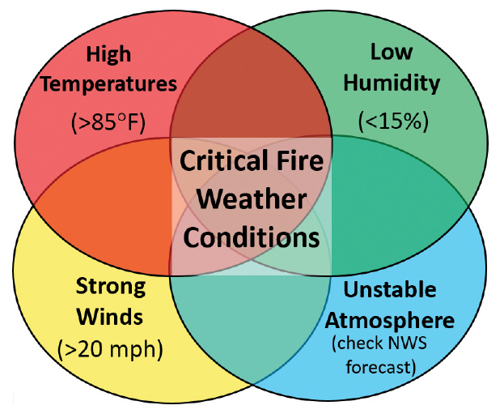
Figure 8. Collectively, these critical weather conditions create a hazardous wildland-fire environment. They are often associated with “Red Flag” days. Open burning should not be conducted under these weather conditions.
Current Weather Observations and Forecast
Fortunately for practitioners, there are numerous sources to obtain current weather observations as well as forecasts. Moreover, some forecasts are written specifically with fire behavior in mind. One of the best sources of weather across the United States is the National Weather Service (NWS; Figure 9). In fact, each state has one or more forecasting offices designed to cover a certain region (sometimes covering multiple states). In the case of New Mexico, three different NWS forecasting offices provide complete forecast coverage for the state: the Albuquerque office covers north and central New Mexico; the El Paso office covers south and southwestern New Mexico; and the Midland/Odessa office covers far southeast New Mexico. Although the NWS is known to provide excellent forecast information, it can be useful to compare forecasts from multiple sources. For example, several private weather outlets are available on the Internet as follows: The Weather Channel, AccuWeather, and The Weather Underground (including their unique WonderMap). Remember, forecasts are always changing. On average, the NWS updates its forecasts every six to eight hours. Keep checking the forecast regularly, including before, during, and after a burn, to stay informed about current and future weather conditions.
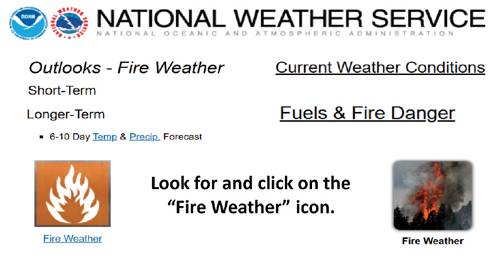
Figure 9. The National Weather Service forecast offices in Albuquerque and El Paso have excellent “Fire Weather” links (scroll down the webpage and look for the “Fire Weather” icon). Find current fire weather conditions (temperature, relative humidity, wind speed/direction), as well as the fire weather forecast for the days ahead.
How to Light Piles
It is not recommended to light all piles on site at once (unless sufficient personnel are on hand to manage the volume of piles). As a general rule, three to four piles per person is a manageable rate if piles are closely situated.
Ignition Tools: Ignite piles with a drip torch, propane burner, or matches. Ignite piles from the bottom starting on the downwind side, progress to the two flanks, and finally ignite the upwind (windward) side to promote even burning, increased intensity and complete combustion. As noted earlier, never use a volatile accelerator such as gasoline in the ignition process. If a pile is not easily igniting, it is probably too damp/wet to achieve complete combustion, or it was poorly constructed – mediate both circumstances to achieve objectives.
Wind: During winter pile burning, consider lighting piles during mid-morning after the inversion has lifted. After the pile has burned down, re-pile remaining fuel to promote flaming combustion so as to avoid smoldering fuels into the evening and overnight (which generate significant smoke). Generally speaking, pile ignition should cease by 2 p.m. in the winter to allow piles to burn out before the evening and overnight inversion sets up. Allowing piles to smolder through the night will smoke in low-lying communities and roads, creating hazardous conditions for all.
Tools: On ignition day, ensure the necessary tools are readily available. For example, a shovel, rake, or pitchfork is useful. A hoe or similar is useful for digging containment lines. It is a good idea to have at least 100 gallons of water on site to deal with any spotfires, escapes, unwanted creep, or quenching needs. Wearing proper handwear, footwear, and clothing is also important: leather boots and gloves, cotton or wool pants, and long-sleeved shirts free of rips and tears are recommended; polyester (including fleece) is not suitable as it can melt and shrink if exposed to heat or flames.
Fuel Management: As noted elsewhere, manipulating unburned pile fuel (usually around the circumference of the pile) may be desirable. In particular, using onsite tools to push unburned fuels toward the middle of the pile to encourage consumption may be useful.
Patrol: Once piles are ignited, be on the lookout for sparks/embers/firebrands moving off-site with the potential to start a spotfire leading to an escape.
Managing Smoke
Managing smoke from an open burn should not be overlooked. Its effects can be far-reaching and difficult to mitigate. It is the responsibility of burners to understand and master smoke management, ensuring that the use of fire as a land management tool is not jeopardized.
From a public health standpoint, smoke inhalation is considered unhealthy and should be avoided. It is well recognized that air pollutants (some more than others) pose health concerns to the general public, especially to sensitive individuals. It should be noted, not only is it important to consider smoke exposure to the public at large, but also to members of the burn crew. N95 or P100 masks/respirators, when worn properly, reduce exposure to particulate matter.11 While this practice may not be practical for extended periods, during times of acute exposure, respirators can prove useful.
While health concerns related to smoke exposure tend to occur over a period of hours, accidents on roadways due to reduced visibility from smoke can occur spontaneously with fatal results. Here are a few tips to mitigate smoke impacting roadways:
- When planning a burn, if a roadway is identified to be impacted, change the plan. This might mean burning with a different wind direction to keep smoke off a particular road.
- Post signs making motorists aware of open burning smoke. This may require multiple signs in multiple locations.
- Anticipate smoke movement at night in relation to roadways. Most smoke-related problems are associated with inversions, which typically occur in winter months near sunset and last through the night and into the early morning hours. Fuel allowed to smolder through the night will smoke in low-lying communities and roads. During burn planning, identify topographic features prone to channeling smoke toward roadways such as drainages, ditches, and rivers. Local knowledge and expertise can be useful in this regard. Drainage winds as low as one mile per hour can carry smoke over 10 miles during the night. Again, if problems are anticipated with roadways, change the plan ahead of time.
- Check for overnight forecast updates after the burn is complete.
Here are the three overarching goals of smoke management:
- Reduce emissions;
- Facilitate dispersion; and
- Avoid impacts to smoke-sensitive areas.
With these goals in mind, here are steps to minimize smoke production:
- Allow fuels to dry as much as possible—drier fuels produce less smoke;
- Reduce size/volume of material to be burned—less burning means less smoke;
- Conduct ignition after morning inversion has lifted and before evening inversion sets in (typically three hours before sunset);
- Select a burn day with a greater ventilation rate (within reason);
- Avoid lighting heavy fuels (for example, logs with a diameter > 16 inches), debris piles, stumps, etc., as these have a tendency to smoke for extended periods of time; and
- Conduct a mop-up operation.
Ideal Smoke Situation: Expect some “startup” smoke in the first 5-10 minutes of ignition, but after that, a dry, well-constructed pile should produce little visible smoke (until flaming combustion transitions into smoldering combustion as the pile burns down to a few remaining pieces). In addition, there will be pieces of fuel that do not burn completely. These pieces can be pushed into the center of the pile to increase consumption levels (if desired), thereby reducing the potential for smoldering combustion and sustained smoke production throughout the night.
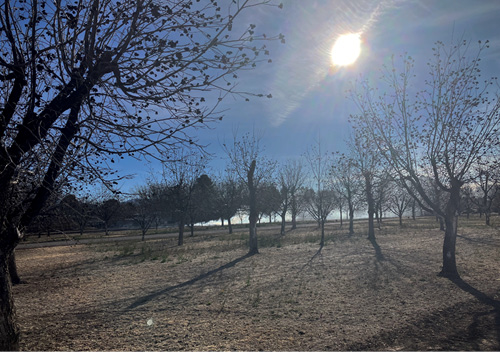
Figure 10. An example of burning pecan piles under inversion conditions; smoke does not rise up but tends to travel horizontally across the surface.
Mop Up
The goal of “mopping up” is to reduce the risk of re-ignition and to minimize smoldering time. This task is performed by adding water and/or soil to an ash and ember pile to quench combustion. In some cases, it may be necessary to completely extinguish all burning and smoldering fuels at the end of a pile burn or after a given period of time following ignitions.
- Fire Tools: Use fire tools listed earlier to break up coals and charred fuels that continue to smolder; mix water and soil to extinguish smoldering fuels and coals as necessary. This can require considerable water supplies.
- Cold Touch: The fire is out when the burn area is cold to the touch.
- Is there still combustion? Check ash piles 12 and 24 hours after the fire has “gone out” to ensure the fire is 100% extinguished. Be aware, larger diameter fuels can smolder for long periods of time and re-ignite under the right weather conditions.
References
- Tahboub, M., Lindemann, W., & Murray, L. (2008). Chemical and Physical Properties of Soil Amended with Pecan Wood Chips. HortScience, 43(3), 891-896.
- Kallestad, J., Mexal, J., & Sammis, T. (2008). Mesilla Valley Pecan Orchard Pruning Residues: biomass estimates and value-added opportunities [Report RR-764]. New Mexico State University, Agricultural Experiment Station. https://pubs.nmsu.edu/research/horticulture/RR764/index.html
- Wilson, K. (2024). The Biochar Handbook: A Practical Guide to Making and Using Bioactivated Charcoal. Chelsea Green Publishing.
- McAvoy, D., & Dettenmaier, M. (2017). Hazardous Fuels Reduction Using Flame Cap Biochar Kilns. Utah State University Forestry Extension. https://extension.usu.edu/forestry/publications/utah-forest-facts/037-hazardous-fuels-reduction-using-flame-cap-biochar-kiln
- Han, F., Ren, L., & Zhang, X. (2016). Effect of biochar on the soil nutrients about different grasslands in the Loess Plateau. Catena, 137, 554-562. https://doi.org/10.1016/j.catena.2015.11.002
- Idowu, O., & Brewer, C. (2018). Biochar for Arid and Semi-arid Agricultural Soils [Circular 690]. New Mexico State University Cooperative Extension Service. https://pubs.nmsu.edu/_circulars/CR690/index.html
- Gould, C., Heft-Neal, S., Johnson, M., Aguilera, J., Burke, M., & Nadeau, K. (2024). Health Effects of Wildfire Smoke Exposure. Annual Review of Medicine, 75(1), 277-292. https://pubmed.ncbi.nlm.nih.gov/37738508/
- Environmental Protection, Environmental Improvement Board, 20.2.60 NMAC (10/31/2003)
- NM Stat § 68-5-1. (2024). Prescribed Burning Act. https://law.justia.com/codes/new-mexico/chapter-68/article-5/section-68-5-2/
- Environmental Protection, Environmental Improvement Board, 20.2.65 NMAC (10/31/2003)
- Huff, R., Traynor, R., Camargo, K., Okeeffe, J., Tutt, E., Wiens, M., Henderson, S., Dobbins, M., & Neil-Sztramko, S. (2025). Rapid Review: What effect does wearing a mask or respirator during combustion-derived air pollution episodes have on concentrations of pollutants and human health endpoints? National Collaborating Centre for Environmental Health. https://ncceh.ca/resources/evidence-reviews/rapid-review-evaluating-effectiveness-masks-and-respirators-against

Douglas Cram is the Extension Forest and Fire Specialist. He has degrees in wildlife, forest, and range science. His research explores management of mixed-conifer forests using thinning and burning practices. His Extension work provides the people of New Mexico with practical, research-based knowledge and programs focused on forests, rangelands, and riparian areas.
To find more resources for your business, home, or family, visit the College of Agricultural, Consumer and Environmental Sciences on the World Wide Web at pubs.nmsu.edu/
Contents of publications may be freely reproduced for educational purposes. All other rights reserved. For permission to use publications for other purposes, contact pubs@nmsu.edu or the authors listed on the publication.
New Mexico State University is an equal opportunity employer and educator. NMSU and the U.S. Department of Agriculture cooperating.
March 2026, Las Cruces, NM