Guide A-418
Jourdan M. Bell1, Calvin Trostle1, Juan Piñeiro1, Mark Marsalis3, Brandon Gerrish1, Carla Naylor2, Qingwu Xue2, Kevin Heflin1, Jason Baker6, Shannon Baker5, Emi Kimura1, Laura Taylor1, and Rick Auckerman4
College of Agricultural, Consumer and Environmental Sciences, New Mexico State University
Author(s): Authors are affiliated with 1Texas A&M AgriLife Extension, 2Texas A&M AgriLife Research, 3New Mexico State University, 4Retired Texas A&M AgriLife Extension County Agent, 5Kansas State University Small Grains Breeder, 6Retired Texas A&M AgriLife Research Scientist. (Print Friendly PDF)
Published in collaboration with Texas A&M University:
https://varietytesting.tamu.edu/wp-content/uploads/sites/17/Small-Grain-Silages-for-the-Southern-Great-Plains.pdf
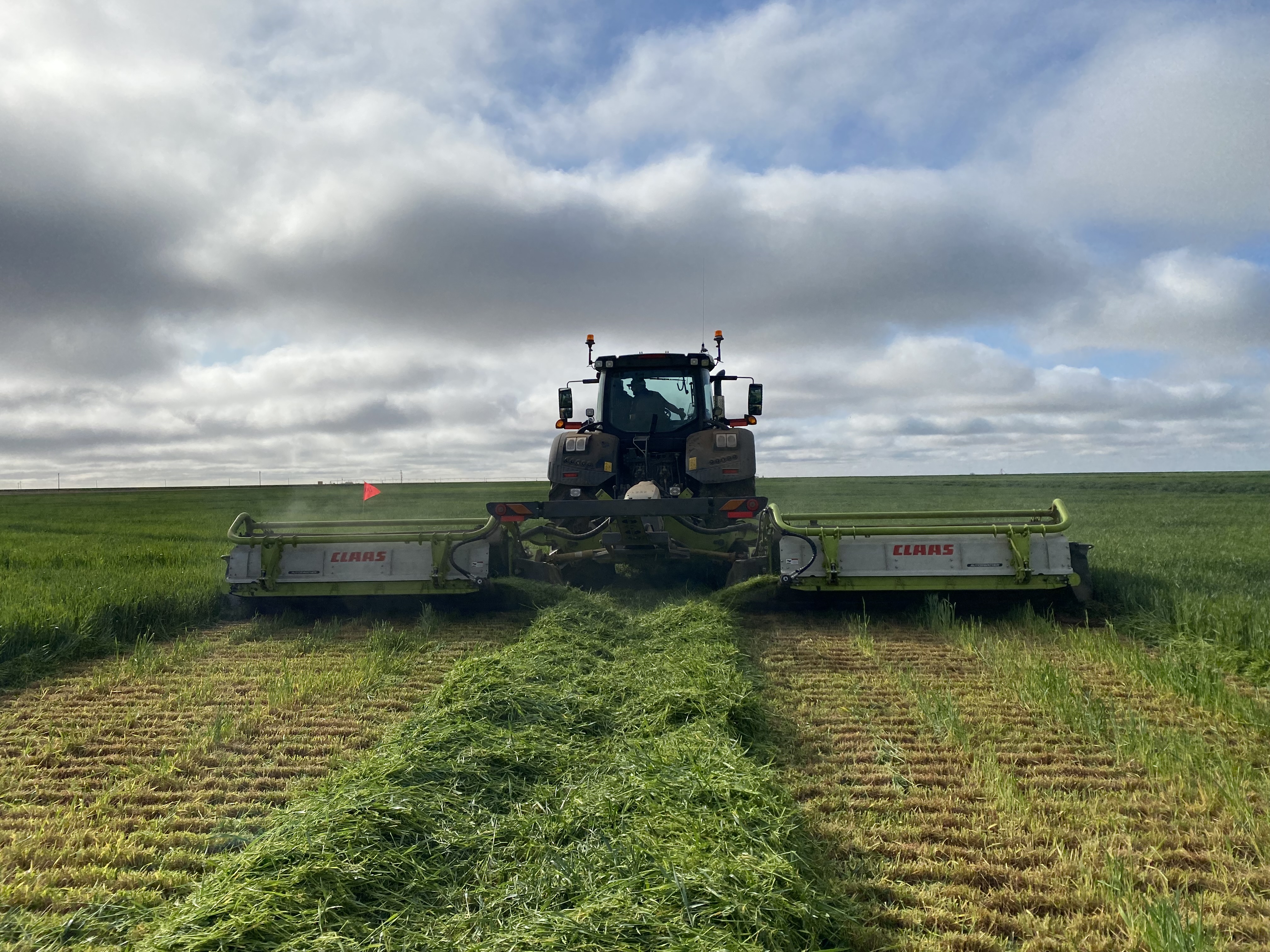
Winter small grains provide premium quality forages to both dairy and beef cattle diets offering producers flexibility in planting and harvest dates while diversifying farm income. Small grains used for silage include wheat (Triticum aestivum), triticale (X Triticosecale Wittmack), rye (Secale cereale), and barley (Hordeum vulgare), although wheat and triticale are the predominant small grain forages produced on the Southern Great Plains (SGP) (Picture 1). Ensiled forages provide livestock producers an opportunity to preserve forage quality for future consumption. This guide provides Southern Great Plains producers with practical, research-backed management strategies to optimize small grain silage production.
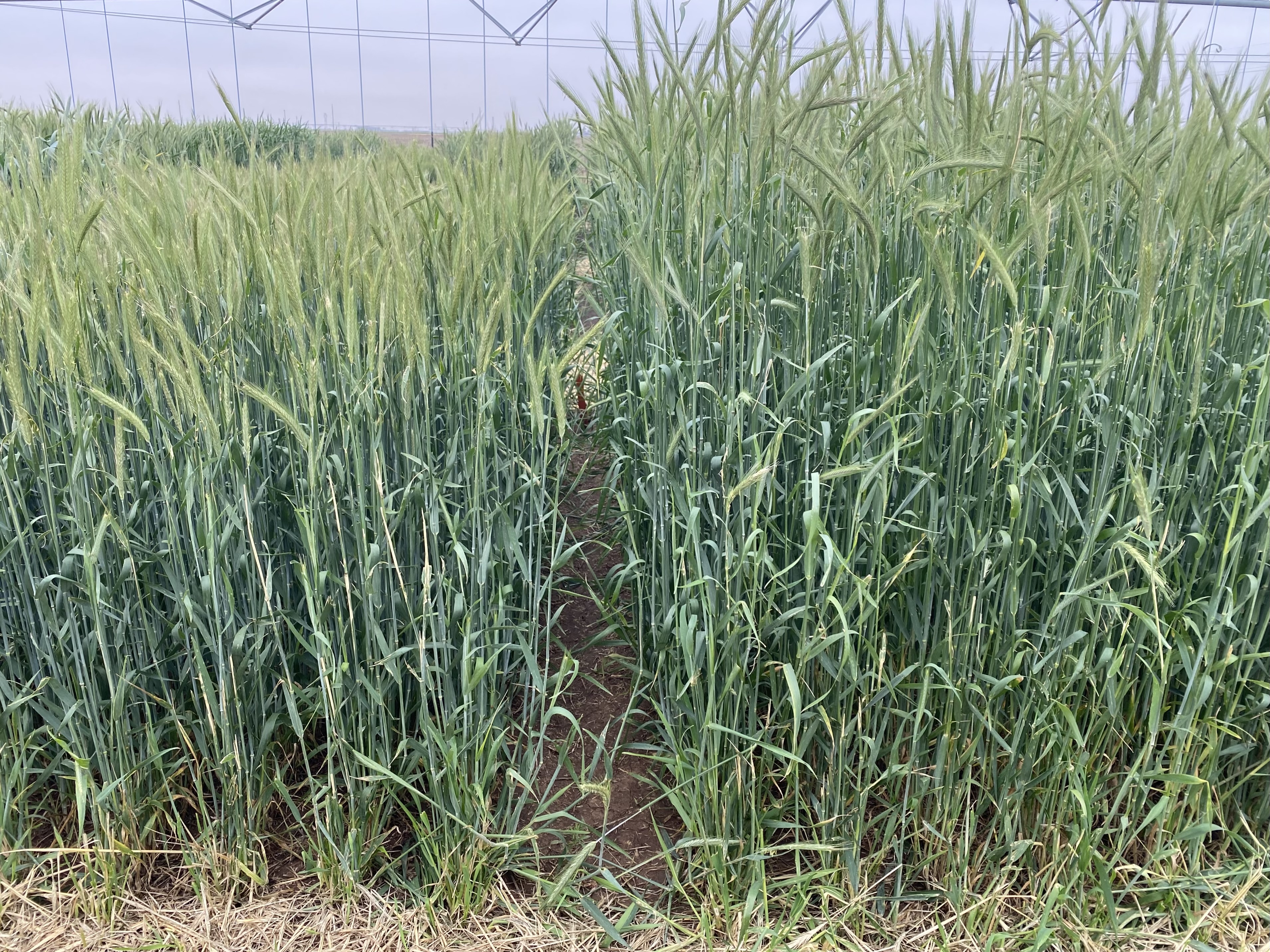
Picture 1. Weath (left) and triticale (right) for silage in Texas A&M AgriLife plots at Bushland, TX (photo by Jourdan Bell).
Advantages of Winter Small Grain Forages (All Types):
- Fill forage gaps when native range and warm-season forages are unavailable.
- Winter small grain forages make ideal winter pasture for grazing but also produce high tonnage forage.
- For hay or silage harvest high-quality forage at boot to early heading stages when nutritive value is optimal unless higher biomass is desired.
- Reduce feed costs by extending grazing season and reducing hay requirements.
- Potentially serve as cover crops for soil health improvement.
- Enhance compatibility with integrated crop-livestock systems.
- Utilize/uptake excess nutrients (e.g., nitrogen) in wastewater application scenarios.
Wheat
Wheat provides producers flexibility with an option to harvest for grain or forage (grazing, hay, or silage) depending on market prices and environmental factors. Wheat silage is a highly palatable forage option for livestock, which encourages good feed intake. Wheat seed is usually cheaper, which can be an important consideration for producers especially in down markets. Many wheat varieties are well-adapted to the Southern Great Plains region, and seed is readily available. The greatest use of wheat for forage is with winter wheat varieties planted in the fall. Many will graze in fall/winter prior to initiation of reproductive growth in the spring, when cattle are then generally removed to allow for upright growth and tonnage accumulation prior to either hay or silage harvest.
Triticale
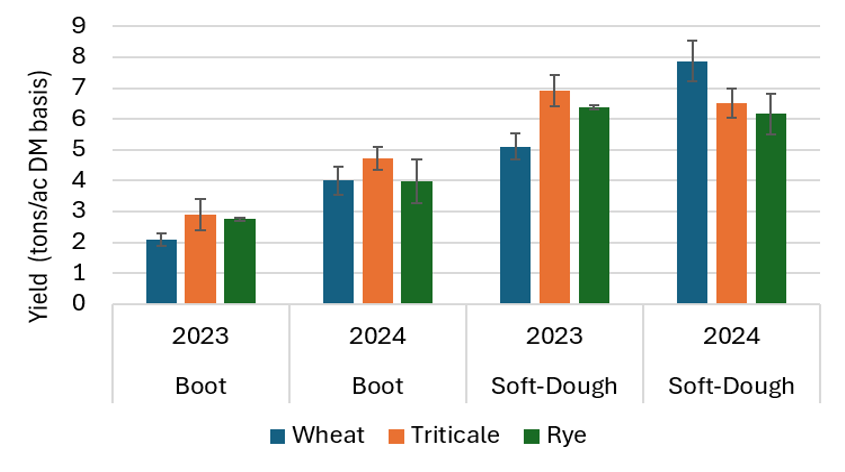
Figure 1. Comparison in forage yields between hard red winter wheat, triticale, and rye (left to right) in 2023 and 2024 Texas A&M AgriLife Trials at Bushland, Texas harvested at the boot and soft-dough stages.
Triticale is a hybrid cereal grain produced by crossing wheat with rye to achieve a cereal grain with the yield potential and quality of wheat coupled with disease and insect tolerance of rye. Based on university trials conducted in Texas and New Mexico, in general, triticale is higher yielding than wheat when harvested at the same stage of maturity. However, this can be influenced by year and variety (Figure 1; Table 1). Nutritional profiles are similar between the two species, but nutritive value declines with higher yielding varieties and as plants mature.
|
Table 1. Comparison between the yields and water-use efficiency (WUE) of winter wheat, rye, and triticale in the 2023-2024 AgriLife trial at Bushland, Texas. Soil water, precipitation, and irrigation represent total water use for the respective stage from planting. |
|||||||||||||||
|---|---|---|---|---|---|---|---|---|---|---|---|---|---|---|---|
|
Variety |
Forage Type |
Boot |
Soft-Dough |
||||||||||||
|
Harvest Date |
Soil Water Use (in) |
Precip (in) |
Irrig (in) |
Total Water Use (in) |
Yield (Tons DM/ac) |
WUE (lbs/in.) |
Harvest Date |
Soil Water Use (in) |
Precip (in) |
Irrig (in) |
Total Water Use (in) |
Yield (Tons DM/ac) |
WUE (lbs/in) |
||
|
TAM 114 |
Wheat |
4/26/2024 |
2.5 |
4.6 |
9.5 |
16.6 b |
4.7 |
571 |
6/3/2024 |
6.4 |
5.7 |
12 |
24.2 b |
7.6 |
621 |
|
Aviator |
Rye |
4/26/2024 |
1.9 |
4.6 |
9.5 |
16.0 c |
4.2 |
520 |
6/4/2024 |
5.3 |
6.3 |
12 |
23.6 c |
6.1 |
527 |
|
Slick Trit II |
Triticale |
5/4/2024 |
3.4 |
4.6 |
9.5 |
17.5 a |
5.5 |
623 |
6/11/2024 |
6.7 |
6.3 |
12 |
25.0 a |
6.9 |
538 |
|
Average |
16.7 |
4.8 |
571 |
Average |
24.3 |
6.7 |
562 |
||||||||
|
CV (%) |
4.0 |
5.5 |
11 |
CV (%) |
3.0 |
4.5 |
12 |
||||||||
|
p-value |
<0.0001 |
0.0019 |
0.0326 |
p-value |
0.0073 |
0.0156 |
0.4157 |
||||||||
|
LSD |
0.2 |
0.5 |
75 |
LSD |
0.5 |
0.8 |
117 |
||||||||
Triticale cultivars are spring, winter, and intermediate/facultative. Spring cultivars are less sensitive to day length, and they may have reduced tillering and upright growth. Winter cultivars are more broadly adapted, but like wheat, they require vernalization to begin reproductive growth and eventual heading. In the Southern Great Plains, winter cultivars are generally planted in the fall, but they can also be planted in early winter depending on the end-use goal.
Facultative varieties have low to no vernalization requirements, which means there is no need for a prolonged period of low temperatures (32°F-45°F) to trigger reproductive development. This can be problematic; if the triticale is planted early in the fall and conditions are warm, the triticale may head out in the winter. A facultative triticale variety provides producers flexibility when planting in late winter or more southerly locations if harvested at soft-dough stage. The growth habit of winter cultivars is more prostrate than spring cultivars allowing this type to cover the ground more quickly. Also, winter cultivars generally have higher forage production because of fall tillering. If winter cultivars are planted late and do not vernalize, the biomass can generally be used only for grazing as there may be little-to-no vertical growth. In semi-arid regions like the Southern Great Plains where late spring temperatures can be very hot, winter triticale is recommended. Spring varieties will produce less biomass in the Southern Great Plains because of late planting and a compressed window for vegetative development. They are also more susceptible to freeze damage. This is also true for spring wheat.
Triticale varieties differ in their disease resistance levels. Most released triticale varieties have been selected for improved disease tolerance. Observations suggest that triticale has fewer incidences of common plant diseases in the Southern Great Plains. In the Rolling Plains and Gulf Coast regions of Texas, triticale like other small grains can be susceptible to leaf diseases and heavy rust pressure depending on variety tolerance.
Rye
Rye is often selected as a silage option by producers who are seeking a high tillering forage that produces rapid fall and winter ground cover. Rye has greater cold hardiness than wheat and triticale, and it will break dormancy earlier in the spring resulting in rapid spring growth. Rye produces a highly digestible protein when harvested at the boot stage; however, overall nutritive value declines rapidly after heading. Rye does not have the starch and energy content of wheat and triticale at a soft-dough stage because of reduced grain yield potential. It is often reported that rye has an earlier harvest window, but Texas A&M AgriLife Extension and Research multi-year small grain silage data does not indicate that rye matures more quickly than either wheat or triticale.
Agronomic Management for Small Grains Silage
Variety Selection
Selecting the right forage type and variety requires matching plant genetics with your regional environment and expected goals. Texas A&M AgriLife Extension and Research trial data demonstrates that knowledge of water availability is a critical factor in determining how a crop will perform under environmental stress. In hot, dry years, wheat and triticale exhibit distinct physiological responses to water stress: wheat rapidly accelerates its growth to develop and complete its life cycle ahead of worsening conditions, whereas triticale slows its development, maintaining a vegetative state as it waits for returning moisture. Beyond moisture dynamics, variety selection should heavily prioritize strong tillering capacity and high overall forage yield potential.
Producers should look for varieties with excellent fall and spring tillering vigor, as dense tillering maximizes ground cover, optimizes water-use efficiency, and builds the dense canopy needed to achieve premium dry matter (DM) tonnage per acre. Oftentimes, variation from one variety to the next is greater than that of the variation and broad averages between species, and it is important to know which varieties are best adapted to your area. Producers should consult regional small grain forage testing results prior to selecting a variety of wheat for strictly high tonnage, as some well-performing grain varieties may not produce as much biomass as some other wheat or small grain varieties.
Seeding Rate (Seeding Density)
Texas A&M AgriLife wheat and triticale seeding rate trials for silage found that 1.8 million seeds per acre is ideal for fully irrigated silage systems after evaluating 1.5 million to 2.0 million seeds per acre, and there was no difference between 1.8 and 2.0 million seeds per acre. However, in limited irrigated systems, 1.2 million seeds per acre has proven to yield as well as 1.8 million seeds per acre. Fully irrigated systems represent an irrigation capacity (especially if less in-season precipitation – rain and/or snow) that can fully meet crop water demand. While it is common to plant wheat on a weight basis, seed size can result in over planted density because seed size can greatly vary between varieties. If a precision drill is not available, confirm the test weight so the drill can be properly set rather than planting seeds per pound. Wheat generally averages about 15,000 seeds per pound but can range from 11,000 to 18,000 seeds per pound. Rye seed /size is smaller than wheat (more seeds per pound), but triticale seed is larger (fewer seeds per pound).
Soil Nutrient Management
Nutrient management significantly impacts forage yield as well as nutritive value, digestibility, and subsequent animal performance. Poor quality forage results in poor gain, milk production, and animal health. Prior to planting, a soil test should be taken to assess the fertilizer requirements necessary to grow a high-quality forage crop. Cattle do not recycle all soil-applied nutrients taken up by the plants; some nutrients are retained by the animals for growth and development. Primary nutrients are:
- Nitrogen (N) ~ 30-40% removed by the animal. Nitrogen is essential for plant proteins, enzymes, photosynthesis (chlorophyll), and animal gain. In dairy cattle, it is important for milk production and milk protein. In beef cattle, it is important for maintenance and muscle growth. Nitrogen is returned to the field via urine and feces.
- Phosphorus (P) ~10-20% removed by the animal. Phosphorus is essential for tillering and root development. It is also important for livestock bone and muscle development.
- Potassium (K) ~10% removed by the animal. Potassium is important for plant drought tolerance and improving water-use efficiency. In livestock, it is essential for muscle and nerve function as well as maintaining hydration and blood pressure.
- Sulfur (S) ~10-15% removed by the animal. Sulfur is essential for amino acids (methionine and cysteine) that are required for plant protein synthesis, chlorophyll formation, and oil production. In livestock, sulfur is vital for rumen microbes to efficiently synthesize microbial protein necessary for animal growth and weight gain.
Nutrient requirements on an as-harvested basis representing wet tons (~65% moisture for silage):
- Nitrogen: 10-12 lbs/ton depending on irrigated yield goal and maturity stage
- Phosphorus: 2.5 lbs/ton (5.7 lbs/P2O5)
- Potassium: 13.5 lbs/ton
- Sulfur: 2.5 lbs/ton
Irrigation Management
The yield potential of any crop is dependent on optimization of water resources. This is even more pronounced in water-limited environments. The total water requirement for wheat silage can reach 25 inches or more combining irrigation, precipitation and soil water. Realistically 12 to 16 inches of irrigation can achieve 6 to 7.5 tons DM/acre (10 to 12.5 tons/ac @ 65% moisture as harvested) depending on variety, harvest timing, and in-season environmental conditions. This represents a fully irrigated wheat crop. Texas A&M AgriLife measured the total water use to boot, soft-dough, and physiological maturity (grain development) in irrigated and dryland plots at Bushland, Texas (Figure 2). Data validated previous research that wheat water use will double from boot to physiological maturity (grain maturity).
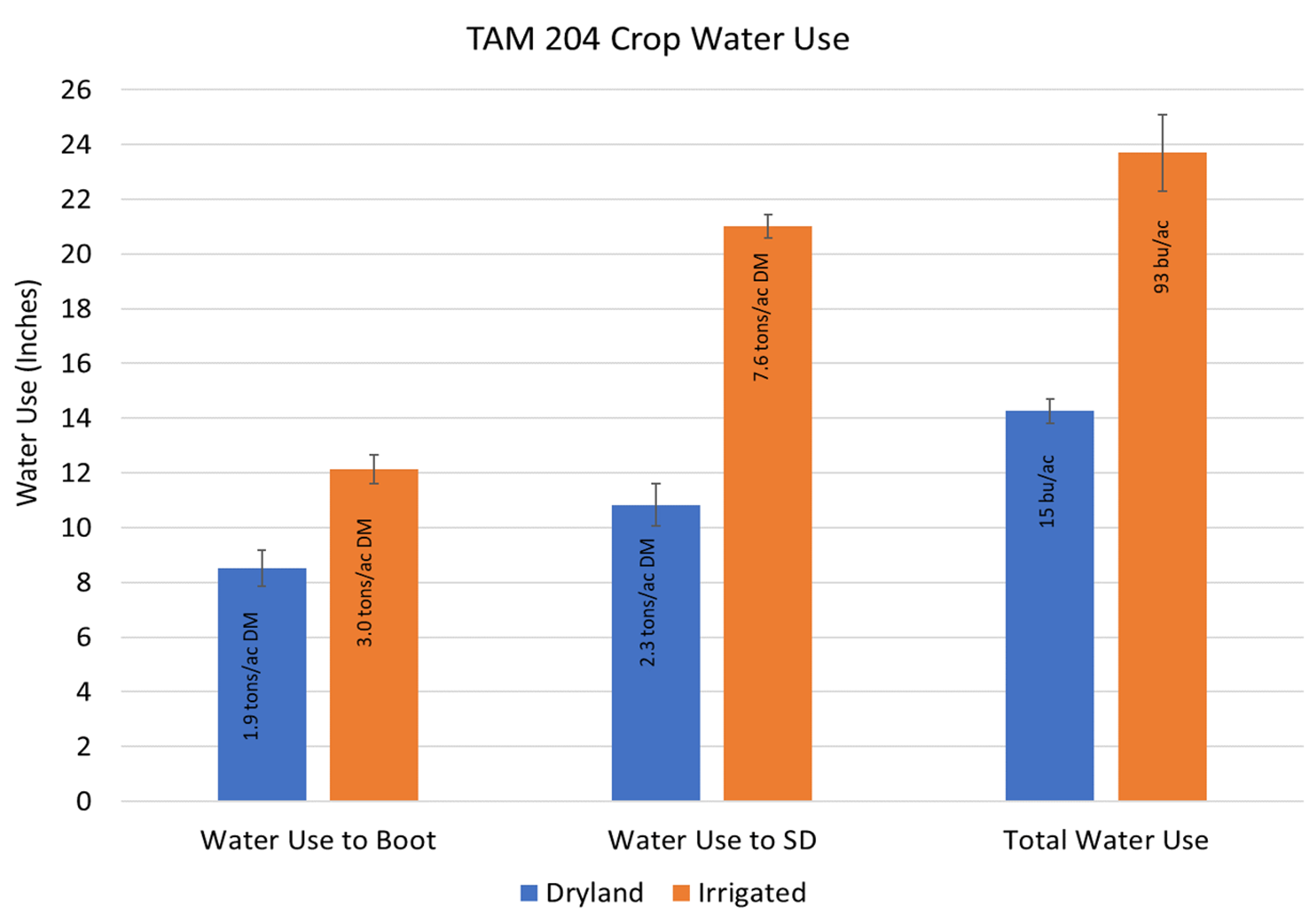
Figure 2. Comparison of water use at different growth stages for TAM 204 harvested at boot, soft-dough (SD), and physiological maturity (PM, grain harvest). Dryland crop water use to grain harvest (PM ≠ harvest maturity) is comprised of 5.8 inches of rainfall and 8.5 inches of soil water. Irrigated crop water use to grain harvest represents 12.8 inches of irrigation, 6.8 inches rainfall, and 4.1 inches of soil water.
During vegetative stages, wheat can produce sufficient forage to justify grazing or harvesting at late boot under dryland conditions in the Southern Great Plains. Because small grains harvested at late boot stage require much less water while still delivering a high-quality forage, they offer a moderately drought-tolerant, water-wise alternative to other major crops. However, to optimize forage production, timely irrigation will significantly increase yields especially in arid and semi-arid regions.
Producers often ask about the difference in water use between forage types. Total water use was monitored for three forages, TAM 114, Aviator, and Slick Trit II, representing wheat, rye, and triticale, respectively, during the 2023-2024 forage season. In 2024, data indicated triticale used the most water at both boot and soft-dough, and rye used the least. Triticale had the greatest yield at the boot stage. Water use efficiency (WUE) describes the forage produced per unit water (e.g. tons/inch water), and it is driven by yield. Consequently, WUE was greatest for the triticale at the boot stage but greatest for wheat at the soft-dough stage. The slower development and additional days to harvest contributed an additional 0.9 and 1.5 inches of total water use (Table 1). At the soft-dough (SD) stage, forage yields were greatest for the wheat, but the magnitude will be contingent on environmental conditions and inputs between the boot and soft-dough stages.
Forage Nutritive Value and Quality
Forage yield drives gross revenue per acre, but forage nutritive value dictates its true economic worth to the end-user. Forage nutritive value describes the chemical and nutrient composition of a forage. Forage quality describes the potential of a forage to meet the nutritional requirements of a class of livestock and impacts animal performance (intake, milk, gain, etc.). Forage quality includes nutritive value (laboratory estimates) and factors such as palatability as often impacted by the condition of the harvested forage (Table 2). Factors that can reduce forage palatability, hence consumption, include coarseness, taste, unfavorable weedy biomass, and anaerobic spoilage in poorly fermented silage.
|
Table 2. Silage nutritive value targets. |
|||
|---|---|---|---|
|
Parameter |
Excellent |
Good |
Fair |
|
CP (%) |
>18% |
14-18% |
<14% |
|
ADF (%) |
<28% |
28-35% |
>35% |
|
NDF (%) |
<40% |
40-50% |
>50% |
|
*CP = crude protein; ADF = acid detergent fiber; NDF = neutral detergent fiber. |
|||
Whether producing forage for commercial sale or on-farm feeding, optimizing the trade-off between yield and quality is critical to maximizing net profitability and sustained animal performance.
- Crude Protein (CP): The measured total nitrogen content, which is then used to estimate the protein available. Protein supports rumen microbial function and provides essential amino acids. Protein alone does not determine forage nutritive value; balanced diet considering all nutrients is essential. Good quality forage should contain approximately 15-20% CP.
- Fiber (ADF & NDF): Measure of the plant’s cell walls. Acid Detergent Fiber (ADF) represents the fiber fraction (cellulose and lignin; lower ADF is better) that is often assumed to be negatively correlated to digestibility. Neutral Detergent Fiber (NDF) also represents structural fiber (cellulose, lignin, and hemicellulose) and is often negatively correlated with intake (lower NDF is better).
- Minerals & Energy: Total Digestible Nutrients (TDN) and specific mineral profiles (calcium, phosphorus, potassium) are also important estimates. TDN can be calculated using a standard equation for grass and cereal forages:
TDN % = 88.9 - (0.779 x ADF %)
Recently, newer calculations summing CP, non-fiber carbohydrates, NDF digestibility, and fat may be more accurate.
Harvest Timing
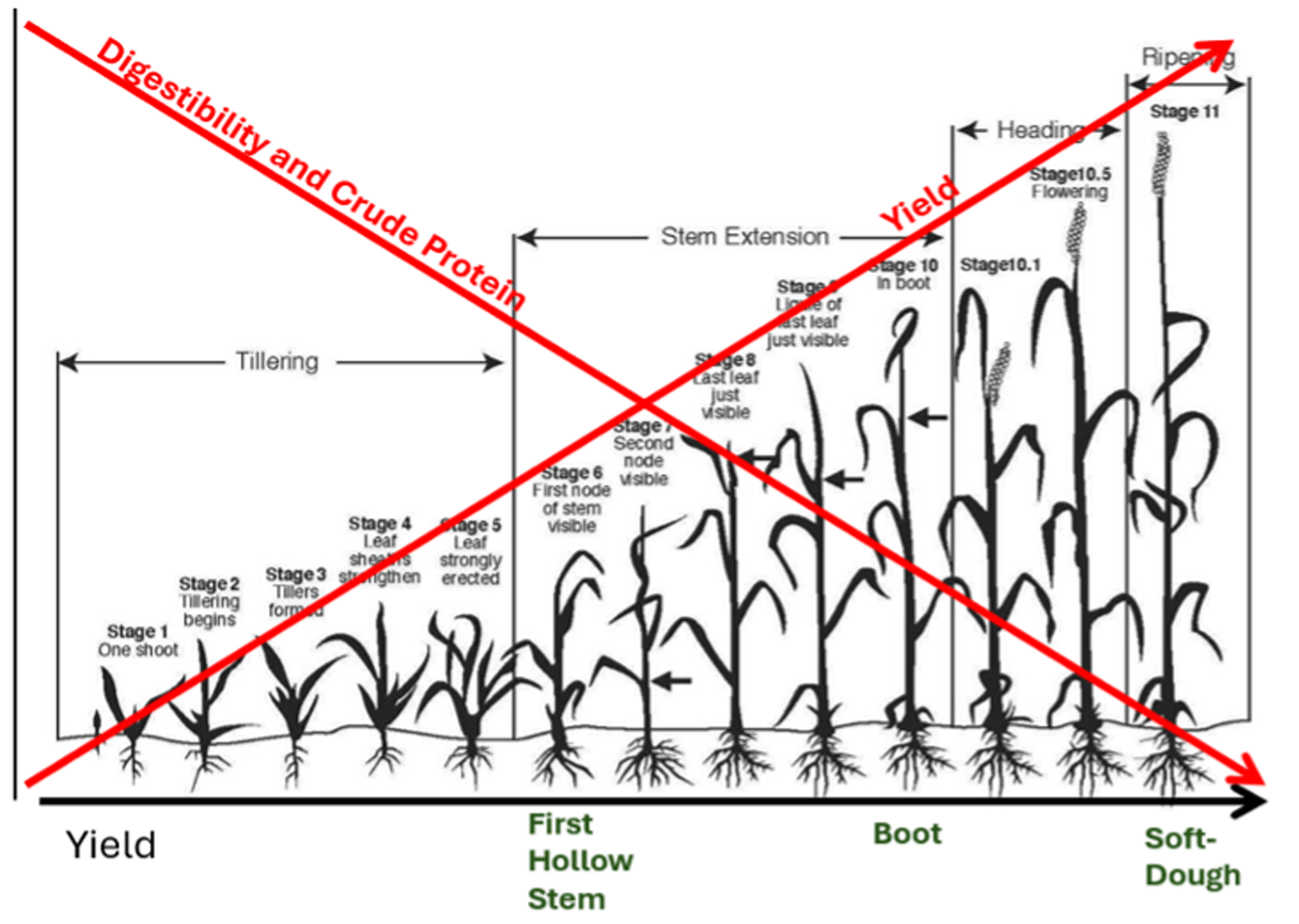
Figure 3. Depiction of increasing yield with decreasing digestibility and crude protein (Image Source modified version of Large, E.C., 1954. Growth Stages in Cereals).
Growth stage at harvest directly affects nutritive value and forage quality. As plants mature, crude protein decreases while ADF and NDF increase because cell walls become more lignified (Figure 3). The boot stage parameters represent premium-quality, dairy-grade forage (Table 3). By the time the forage is heading, the energy drops, though total biomass yield increases. When choosing wheat vs. triticale, consider your harvest window. Wheat develops rapidly after heading. Conversely, triticale is slower to develop. Year-to-year variability and agronomic management will result in variation in theoretical forage nutritive value parameters (Table 4). At the boot stage, starch levels will be low because carbohydrates produced during photosynthesis have not converted to grain starch. As the grain develops, starch contents increase.
|
Table 3. Theoretical comparison in forage nutritive value with advancing small grains growth stages (adapted from Marsalis, 2018 and Cherney and Martin, 1982). |
|||||
|---|---|---|---|---|---|
|
Growth Stage |
Moisture % |
CP % |
ADF % |
NDF % |
TDN % |
|
Boot |
80-85% |
19-21% |
24-28% |
36-42% |
67-70% |
|
Early Head |
75-80% |
16-18% |
28-33% |
42-48% |
63-67% |
|
Heading |
70-75% |
13-15% |
33-38% |
48-54% |
59-63% |
|
Soft Dough |
60-65% |
8-11% |
35-40% |
52-58% |
56-60% |
|
*CP = crude protein; ADF = acid detergent fiber; NDF = neutral detergent fiber; TDN = total digestible nutrients. |
|||||
|
Table 4. Comparative data representing a 5-Year Average (2019-2022 and 2024) of wheat forage yield and nutritive value parameters at boot and soft-dough from Texas A&M AgriLife Small Grain Silage Trials (Bell et al., 2024). Lab analyses represent forage nutritive value and thus the potential at harvest. To determine as-fed feed value, laboratory analyses should be conducted prior to feeding. |
||||||||
|---|---|---|---|---|---|---|---|---|
|
5-Year Average |
% Moist at Harvest |
Yield (tons/ac) |
% CP |
% ADF |
% aNDF |
% WSC |
% Starch |
% TDN |
|
Dry Matter Basis |
||||||||
|
Boot |
78.9 |
2.6 |
15.0 |
29.4 |
50.1 |
15.7 |
1.0 |
66.4 |
|
Soft Dough |
62.0 |
5.3 |
10.8 |
32.6 |
51.1 |
10.9 |
13.1 |
63.1 |
|
*CP = crude protein; ADF = acid detergent fiber; aNDF = amylase-treated neutral detergent fiber; WSC = water-soluble carbohydrates; TDN = total digestible nutrients. |
||||||||
Primary Harvest Stages
- Boot: The head is developed but remains enclosed within the flag leaf sheath.Best for: High-quality hay, green chop, and premium wheat silage (wheatlage).
- Traits: High moisture (≥80%) requires wilting for hay or silage, although “green chop” can be directly fed as a high-quality forage avoiding additional harvest costs.
- Advantage: This stage maximizes forage nutritive value with high concentrations of CP and digestible neutral detergent fiber (aNDFom), which support animal performance. Furthermore, elevated WSC levels provide readily available energy when fed as greenchop, or ample substrate for rapid, efficient lactic acid fermentation during ensiling, ensuring a stable pH and minimized storage losses.
- Soft-Dough: The grain has reached maximum size and contains a milky/doughy starch.Best for: Direct-cut silage.
- Traits: The plant has naturally field-dried to ~65% moisture. While fiber increases and digestibility begins to decline, the produced grain increases the starch content, total energy and tonnage. Total nutrients ‘per acre’ are higher than boot-stage harvest, but nutrients ‘per ton’ is lower.
- Advantage: AgriLife wheat silage trials (Bushland and Dalhart) demonstrate soft-dough yields can be nearly double boot stage yields (Table 4).
- Caution: As the grain matures, the forage dries quickly. In arid environments, forage moisture can quickly drop to <60% at late-soft-dough.
- Early Harvest: Forage harvested before soft-dough has elevated moisture (>80%). This requires multi-step harvesting (cutting and wilting), which increases labor and equipment costs.
- Direct-Cut: Natural dry-down allows for single-pass harvests significantly reducing expenses.
Silage harvest of winter small grains at boot to early heading stages favors higher quality and nutritive value. But it is critical to consider moisture management when determining harvest stage and how forages are preserved. Forage quality, nutritive value and moisture decrease after heading. Small grains at early vegetative stages typically contain >75% moisture. Direct harvesting high-moisture forages will lead to poor fermentation, clostridial souring, and nutrient loss through seepage. Therefore, at moisture contents >70%, the forage should be windrowed and properly field cured. Laying the crop in wide windrows maximizes sunlight exposure and speeds the drying process allowing the forage to safely reach a target moisture window of 60 to 65% for chopped silage packed in silage pits and piles, or 45 to 55% for wrapped baleage, before it is collected and packed. Both baleage and traditional chopped silage preserve high-moisture forage via anaerobic lactic acid fermentation, but they differ significantly in moisture targets, particle size, harvest mechanics, and storage systems (Table 5).
|
Table 5. Key differences between small grains baleage and chopped silage systems. |
||
|---|---|---|
|
Variable |
Baleage (Round & Square Bale Silage) |
Chopped Silage (Bunkers, Piles, |
|
Moisture Content |
45 to 55% |
60 to 70% |
|
Particle Size |
Long-stem forage (unchopped or |
Precision chopped (typically 0.25 to 0.75 in. length) |
|
Harvest Equipment |
Mower-conditioner, standard/silage baler, wrapper |
Forage harvester (chopper), dump trucks/wagons, packing tractors |
|
Storage Structure |
Individual stretch film (6–8 mils) or |
Bunker silo, drive-over drive pile, upright silo, or plastic Ag-Bag |
|
Fermentation Profile |
Slower fermentation; higher terminal pH (4.8–5.3) |
Rapid fermentation; lower terminal pH |
|
Capital |
Low-to-moderate; uses existing haying tractors and balers |
High; requires specialized forage chopper and heavy packing equipment |
|
Spoilage Vulnerability |
Localized puncture wounds (birds, rodents, handling) |
Face management issues (aerobic |
|
Feeding Scale |
Cow-calf, backgrounders, or small- to |
Large-scale dairies, feedlots, and |
Forage harvested in late soft dough can quickly drop below 60% moisture (DM >40%) especially under hot and dry conditions. Because wheat, triticale, and rye are hollow stemmed plants, there is concern that air can be trapped in dry forage and lead to aerobic spoilage and poor fermentation during the ensiling process.
Once the windrowed forage reaches the desired moisture content (~60 to 65% moisture), it should be chopped. The ideal, theoretical chop length is 3/8 to 1/2 inch to ensure adequate packing density. If the chop length is >1/2 inch, air may remain trapped in the stems. Packing the silo, bunker, or pit tightly is critical to eliminate trapped oxygen and shift the environment from aerobic to anaerobic. The minimum packing density for small grain silages is 15 lbs DM per ft3, but the optimum density is 18 lbs DM per ft3. If packing density is<15 lbs DM per ft3, oxygen will remain trapped, fueling aerobic bacteria activity. Aerobic bacteria activity causes the silage temperature to rapidly increase causing the forage to spoil, protein degradation, increased potential for mold and mycotoxin development, utilization of water-soluble carbohydrates (energy), and increases the risk of heating and mold at the feedout face.
When evaluating the ensiled forage, a laboratory fermentation report can help determine if the forage was properly ensiled. Key parameters include:
Dry Matter (DM): Ideal Range 35 - 40% (60 - 65% moisture) - If the DM of the ensiled forage is >45%, the forage was too dry at packing. There were likely oxygen pockets, and the producer should be concerned about yeast and molds in the ensiled forage. If DM is <30%, the forage was too wet at packing. Butyric acid levels should be evaluated to determine if the forage soured.
pH: Ideal Range 4.3-4.7 – If the pH is >5.0 there was incomplete fermentation and increased risk for heating, spoilage and molds.
Lactic Acid: Ideal Range 4.0 – 7.0% of DM – Lactic acid is the good acid produced by homofermentative bacteria that rapidly drop pH. If the lactic acid is <3.0%, too-dry forage was packed resulting in slow fermentation.
Butyric Acid: Ideal Range <0.1% of DM - Butyric acid is the bad acid produced by Clostridium bacteria when the forage is ensiled at moisture contents >70% and/or contaminated with soil. Butyric acid >0.5% will result in reduced DM intake and ketosis in cows.
Ash: Ideal Range <8.0% of DM. If ash is >10%, there was soil picked up at harvest either by the rake or by the chopper head when picking up the windrow. High soil contamination directly inoculates the pile with clostridial spores, ruining the fermentation profile.
Ammonia-N: Ideal Range < 10 to 12% of total N. The ammonia-N value is a measure of proteolysis, the breakdown of proteins into ammonia during fermentation. If >15%, there was excessive protein breakdown, clostridial activity, and a prolonged or inefficient fermentation phase.
Ensiling forages requires a rapid drop in pH and oxygen exclusion to properly stabilize the silage. Because small grains have hollow stems, it is important to ensure the silage is properly packed to ensure all oxygen is excluded from the silage pile.
Calculating Forage Dry Matter
Forage dry matter (DM) is the fraction of the forage remaining after all water is removed. Livestock nutritionists will use DM when balancing a ration because moisture dilutes nutrients and varies across forage and feed sources. Consequently, evaluating forage on an as-fed basis introduces errors because the moisture content will vary depending on forage type, harvest timing, storage, and weather.
To calculate the % DM, first record the weight of a fresh sample (wet weight) then fully dry the sample and re-weigh (dry weight).


Step-by-Step Example
Step 1: Weigh the fresh forage
Wet Weight = 100 grams
Step 2: Dry the sample
Dry the forage in a microwave with a glass of water to prevent the sample from catching on fire. Dry in short intervals. Check the weight in-between drying intervals and continue drying until the weight stops changing.
Step 3: Weigh the dry forage
Dry Weight = 35 grams
Step 4: Calculate


Applying to the Feed Bunk
If your ration calls for 14 lbs. DM silage per head as-fed and the forage is 35% DM, how much forage do you need?

It is important to check the moisture regularly. If the silage is not properly covered and a heavy rain introduces moisture into the pile, effectively pushing the silage moisture up and then the DM down to 28% DM. If you keep feeding 40 lbs. as-fed, you are underfeeding silage. You would need 50 lbs. of 28% DM silage as fed.
Ration Balancing with Winter Small Grain Silages
Forage analyses provide essential information for balancing rations. Use the following guidelines to evaluate forage and supplement appropriately.
Using Forage Nutritive Value & Quality Information
- Compare forages using dry basis results (not as-received) for consistent evaluation
- Use as-fed basis for ration calculation when accounting for actual storage moisture
- Evaluate CP, ADF, NDF, TDN, and Net energy (NE) values in context of plant maturity and species
- Consider mineral content (calcium, phosphorus) and test for nitrates if N fertilization was high
- Use software tools (e.g., OSU Cowculator) to balance rations and meet production requirements
Remember: Forage nutritive value estimates are only as good as the sample collected. Collect representative samples across the lot and submit promptly to ensure accurate analysis.
Economic Importance
Growing small grain silage provides farmers an opportunity to diversify their income streams, reduce reliance on a single commodity and spread economic risk.
- Reduced Input Costs: By improving soil health and breaking pest cycles, small grains may help lower the costs from fertilizers, pesticides, and herbicides for subsequent crops in the rotation.
- Efficient Use of Labor and Equipment: Planting and harvesting windows for small grains often differ from those of major row crops like corn and cotton. This allows farmers to spread out their workload and make more efficient use of machinery and labor.
Best Silage Management Practices Summary
- Select adapted winter small grain species and varieties (wheat, triticale, rye, barley) for your region. In Texas, small grain forage trial data can be found at https://varietytesting.tamu.edu/smallgrains/
- Planting in late summer to early fall is important for timely establishment for grazing. However, hay and silage producers can safely delay planting until late fall or even early winter (late November and early December) depending on the location and conditions on the Southern Great Plains.
- Monitor growth stage and plan to harvest at boot-to-early heading stage for optimal balance of yield and quality. Later harvest at soft-dough stage will maximize nutrients per acre and increase tonnage but will reduce nutritive value per ton.
- Harvest when forage reaches 60-70% moisture (30-40% DM) for silage.
- Consider using a bacterial silage inoculant at chopping to encourage desirable fermentation and help reduce heating and spoilage during storage and feedout. Apply uniformly at the labeled rate.
- Pack silage to high density and seal quickly to prevent spoilage.
- Collect representative forage samples and conduct laboratory analysis.
- Monitor animal performance and adjust supplementation as needed.
References and Additional Resources
- Rocateli, A., & Zhang, H. (2017). Forage Quality Interpretations factsheet [PSS-2117]. Division of Agricultural Sciences and Natural Resources. Oklahoma State University.
- Beckman, B. (2025). The Hidden Cost of Silage Spoilage and How to Stop It. University of Nebraska Extension. August 1, 2025.
- Borreani, G., Tabacco, E., Schmidt, R.J., Holmes, B.J., & Muck, R.E. (2018). Silage review: Factors affecting dry matter and quality losses in silages. Journal of Dairy Science, 101(5), 3952-3979. ISSN 0022-0302. doi.org/10.3168/jds.2017-13837
- Cherney, J. H., & Marten, G.C. (1982). Small grain crop forage potential: I. Biological and chemical determinants of quality and yield. Crop Science, 22(2), 227-231.
- Khorasani, G.R., Jedel, P.E., Helm, J.H., & Kennelly, J.J. (1997). Influence of stage of maturity on yield components and chemical composition of cereal grain silages. Canadian Journal of Animal Science, 77(2), 259-267
- Kilcer, T., Cherney, J., Czymmek, K., & Ketterings, Q. (2010). Winter Triticale Forage [Fact Sheet 56]. Cornell University Cooperative Extension. Agronomy Fact Sheet Series. http://nmsp.cals.cornell.edu/publications/factsheets/factsheet56.pdf
- Koppensteiner, L.J., Obermayer-Bohm, K., Hall, R.M., Kaul, H.P., Wagentristl, H., & Neugschwandtner, R.W. (2021). Autumn sowing of facultative triticale results in higher biomass production and nitrogen uptake compared to spring sowing, Acta Agriculturae Scandinavica, Section B. Soil & Plant Science, 71(9), 806-814, DOI: 10.1080/09064710.2021.1950205
- Marsalis, M.A, Hagevoort, G.R., Turner, J.L., & Lauriault, L.M. (2024). Hay nutritive value, quality, and testing [Circular 711]. New Mexico State University, Cooperative Extension Service.
- Marsalis, M. (2018). Small Grain Forages for New Mexico [Circular 680]. NMSU, Cooperative Extension Service. https://pubs.nmsu.edu/_circulars/CR630/index.html
- Mergoum, M., Singh, P.K., Pena, R.J., Lozano-del Rio, A.J., Cooper, K.V., Salmon, D.F., & Gomez Macpherson, H. (2009). Triticale: A “New” Crop with Old Challenges. In M. Carena (Ed.), Cereals. Handbook of Plant Breeding, vol. 3 DOI: 10.1007/978-0-387-72297-9_9
- Muck, R.E., & Holmes, B.J. (2000). Factors affecting bunker silo densities. Applied Engineering in Agriculture, 16(6), 613-619.
- Ruppel, K. A., Pitt, R.E., Chase, L.E., & Galton, D.M. (1995). Bunker silo management and its relationship to forage quality on New York dairy farms. Journal of Dairy Science, 78(1), 141-153.
- Shroyer, J., Bowden, R.L., Lamond, R.E., Staggenborg, S.A., Peterson, D.E., & Thompson, C.R. (1996). Triticale in Kansas [MF-2227]. Kansas State University, Crop Management Publication. https://bookstore.ksre.ksu.edu/pubs/mf2227.pdf
- Stichler, J., & McFarland, M. (2001). Crop Nutrient Needs in South and Southwest Texas [B-6053]. Texas A&M University. Texas Agricultural Extension Service. https://ccag.tamu.edu/wp-content/uploads/sites/10/2020/12/PUB_soil_Crop-Nutrient-Needs.pdf
- Wallau, M., & Vendramini, J. (2026). Methods of Forage Moisture Testing [SS-AGR-178]. University of Florida. doi.org/10.32473/EDIS-ag181-2019
- Kansas State University Research and Extension. (1997). Wheat Production Handbook [C-529] https://bookstore.ksre.ksu.edu/pubs/wheat-production-handbook_C529.pdf
- Yost, M., Baker, M., Creech, E., Clawson, J.W., Pace, M., Taylor, K., Farnsworth, C., Hadfield, J., Ranson, C., Price, S., Nischwitz, C., & Anderson, C. (2025). Small Grain Forage Production Guide. Utah State University Extension.

Mark Marsalis is a professor and Extension Forage Specialist in the Department of Extension Plant Sciences at New Mexico State University. He earned his M.S. at the University of Tennessee and his Ph.D. at Texas Tech University. His Extension and research interests include efficient and sustainable management of irrigated and dryland forage crops to maximize yields and profitability in limited-water situations.
To find more resources for your business, home, or family, visit the College of Agricultural, Consumer and Environmental Sciences on the World Wide Web at pubs.nmsu.edu.
Contents of publications may be freely reproduced, with an appropriate citation, for educational purposes. All other rights reserved. For permission to use publications for other purposes, contact pubs@nmsu.edu or the authors listed on the publication.
New Mexico State University is an equal opportunity employer and educator. NMSU and the U.S. Department of Agriculture cooperating.
October 2026 Las Cruces, NM