Guide H-192
Phillip Lujan, Soum Sanogo, Srijana Dura, Stephen Hanson, and Jesus Barraza
College of Agricultural, Consumer and Environmental Sciences, New Mexico State University
Authors: Respectively, Extension Plant Pathologist, Extension Plant Sciences; Professor, Department of Entomology, Plant Pathology, and Weed Science (EPPWS); Plant Diagnostician, Extension Plant Sciences; Associate Professor, EPPWS; and Seed Certification Program Specialist, Seed Certification and Noxious Weed Free Program. All from New Mexico State University. (Print-Friendly PDF)
New Mexico, with its arid environment, has a long-standing tradition of producing chile pepper varieties for the fresh market, processing, or for color extraction.1 Production can be disrupted by several economically important soilborne pathogens that cause “chile wilt” in susceptible cultivars. This short guide highlights the pathogens that cause “chile wilt” and the current biological management efforts that producers are implementing to mitigate these soilborne diseases, as well as application guidance for biorational treatments to help reduce losses.
What are the symptoms of chile wilt?
Chile wilt is a general term used to describe symptoms of infection by soilborne pathogens such as Phytophthora capsici, Verticillium dahliae, Rhizoctonia solani, and species of Fusarium oxysporum.2 These pathogens block water and nutrient uptake as they cause damage in the roots (Figure 1) or in the vascular system in the stems (Figure 2), leading to loss of leaf turgor (pressure) causing leaf wilt, chlorosis, stunting, and ultimately severe plant wilt and premature death. For additional information such as conditions, symptoms, and management for each of these pathogens that cause chile wilt, please visit NMSU Extension Circular 549: Chile Pepper Diseases.3
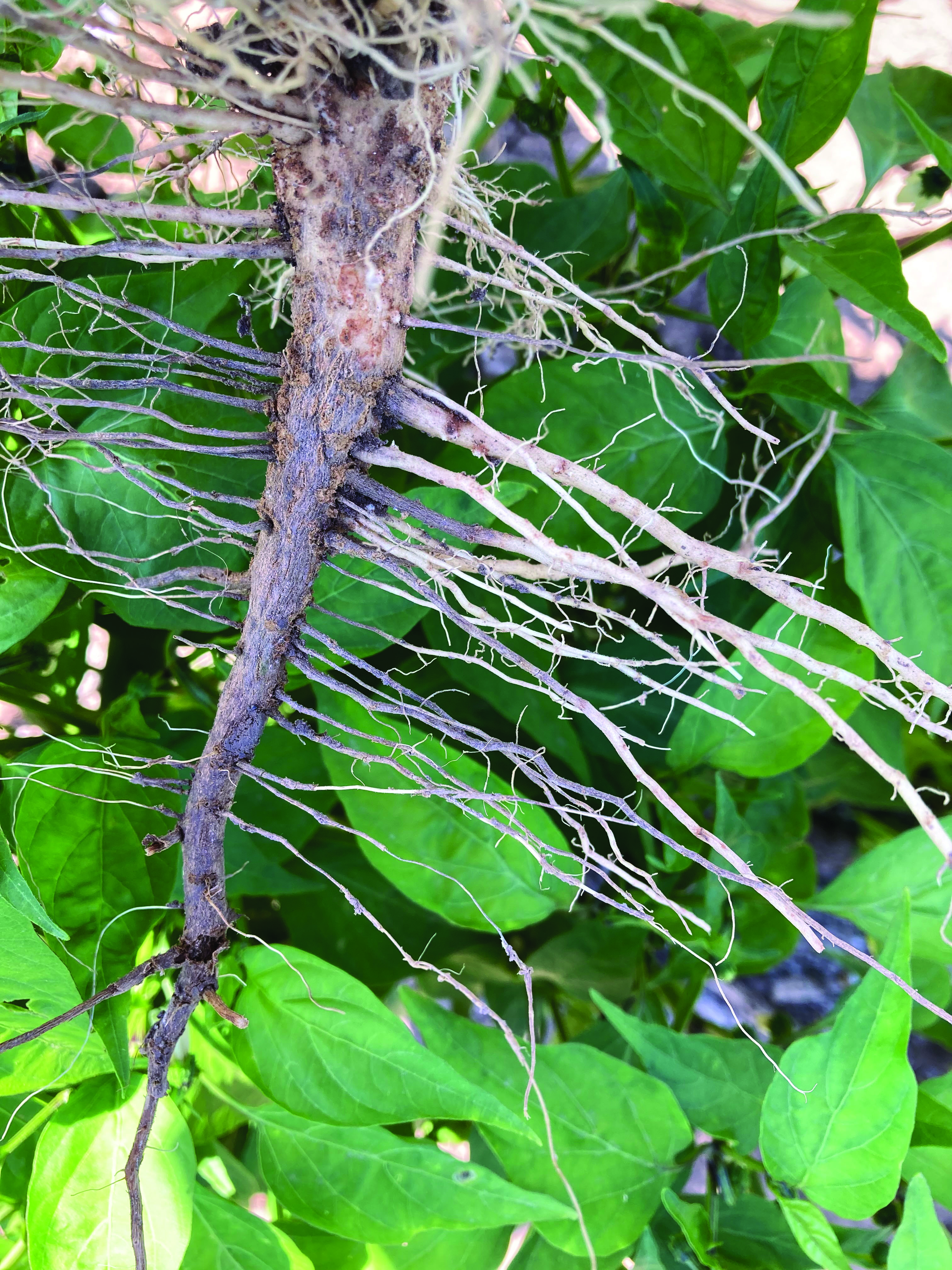
Figure 1. Root discoloration and rotting due to infection by Phytophthora capsici.
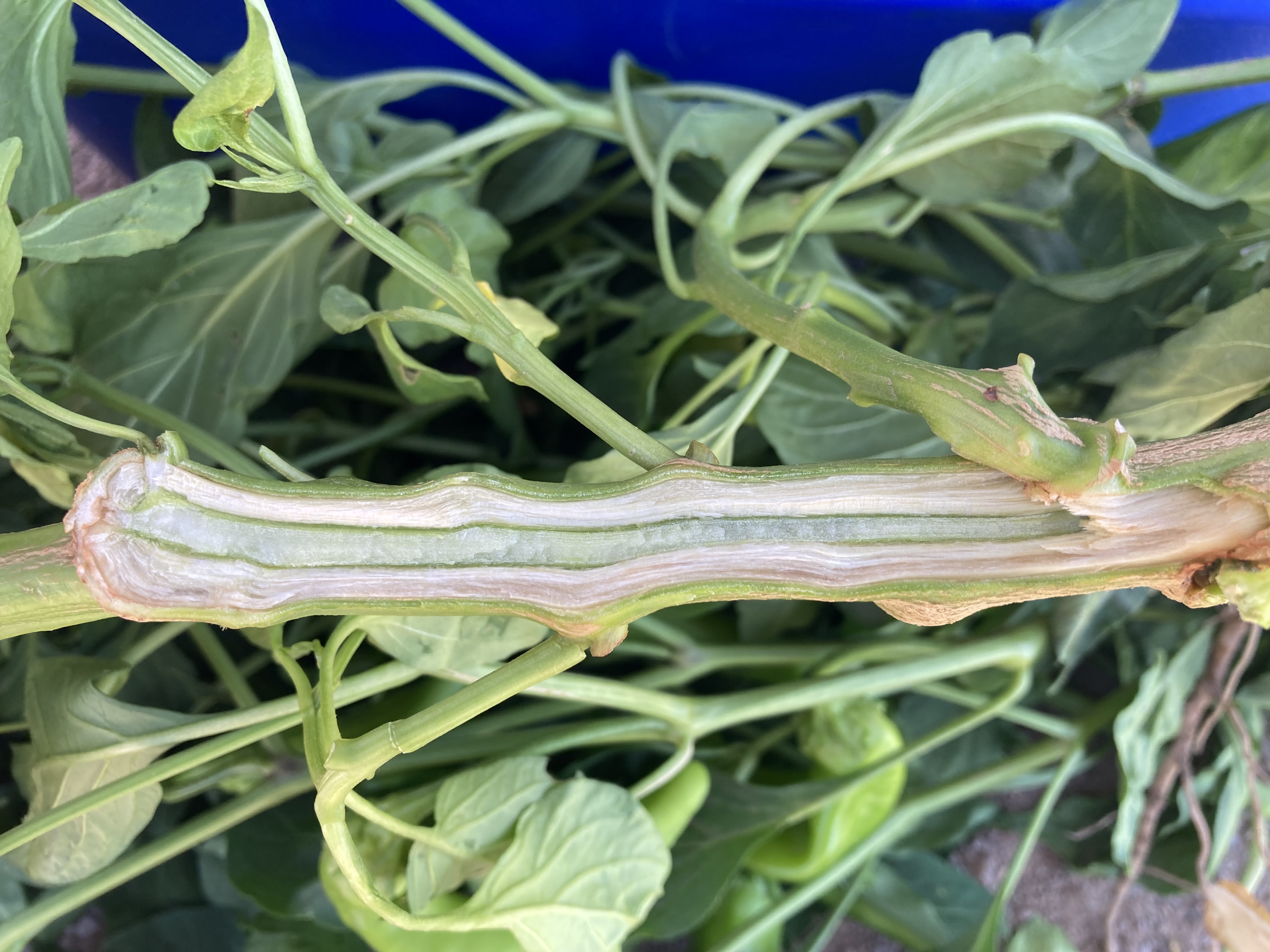
Figure 2. Vascular discoloration in the stem due to infection by Verticillium dahliae.
Where is chile wilt found?
The pathogens that cause chile wilt are soilborne fungi and can be found worldwide.4-7 They typically thrive in warm, wet, heavy clay-based soils or in areas where standing water is an issue.
How do chile wilt pathogens survive and hide in fields?
Chile wilt pathogens can survive in the soil for many years, even when fields are left fallow for long periods. P. capsici produces oospores and Fusarium oxysporum produces chlamydospores, which are thick or double-walled resting spores that can withstand harsh environmental conditions or overwinter in the absence of a plant host. Soilborne pathogens such as V. dahliae and R. solani, produce microsclerotia, which are hardened, melanized fungal tissues that allow the pathogens to survive in the soil for many years.3
These pathogens can also survive in infected plant debris buried in soil, in weed hosts such as Wrights groundcherry (Physalis wrightii), Spurred anoda (Anoda cristata) and Tall morningglory (Ipomoea purpurea), and in volunteer or alternative host crops such as cucurbits (e.g., pumpkin, summer squash) or ornamentals.8-10
How do chile wilt pathogens spread in fields?
Chile wilt pathogens can spread throughout the field in numerous ways. Phytophthora capsici takes advantage of water movement through the field from drip or overhead irrigation or splashing rainwater which allows zoospores (motile spores), to disseminate and infect the chile plants. Verticillium dahliae, Rhizoctonia solani, and Fusarium oxysporum rely on soil movement via tractors and tools, wind, or physical movement by people. Additional methods of pathogen movement include infected root to healthy root contact and through infested plant material or transplants.
How do chile wilt pathogens invade plants and what conditions favor plant infection?
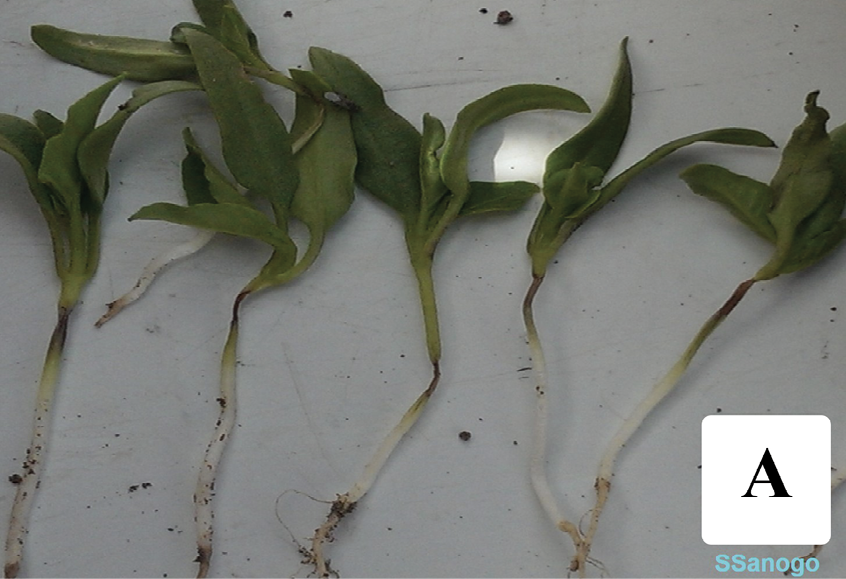
Figure 3A. Girdling and discoloration in young seedlings infected by Rhizoctonia solani causing damping off.
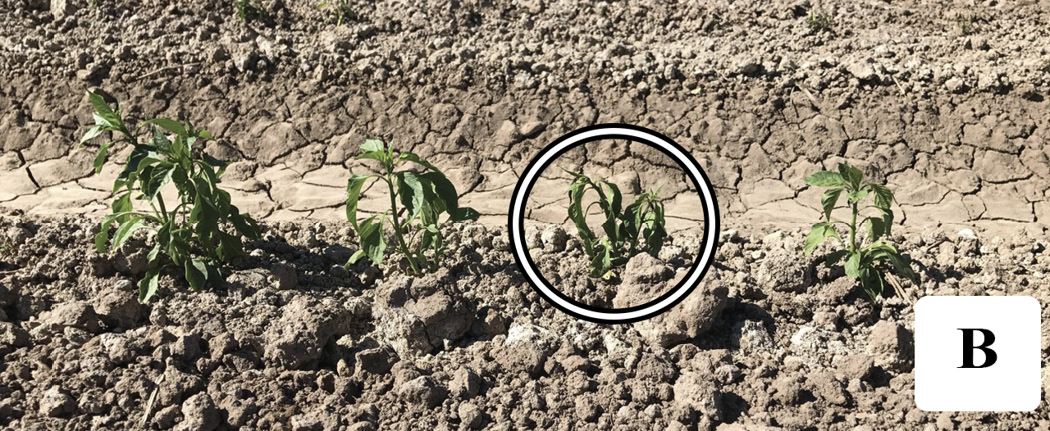
Rhizoctonia solani (Figure 3 A and B) and Fusarium oxysporum (Figure 4) infect roots and young stem tissue often during the seedling stage after transplanting leading to damping-off, while Phytophthora capsici (Figure 5) and Verticillium dahliae (Figure 6) typically occur mid- to late-season after flower and fruit development, and may occur at transplanting under favorable conditions. P. capsici can infect all portions of the chile plant, including roots, stem, leaves, and fruit. V. dahliae primarily infects the roots and moves through the root cortex to the vascular tissue as in the stem.3
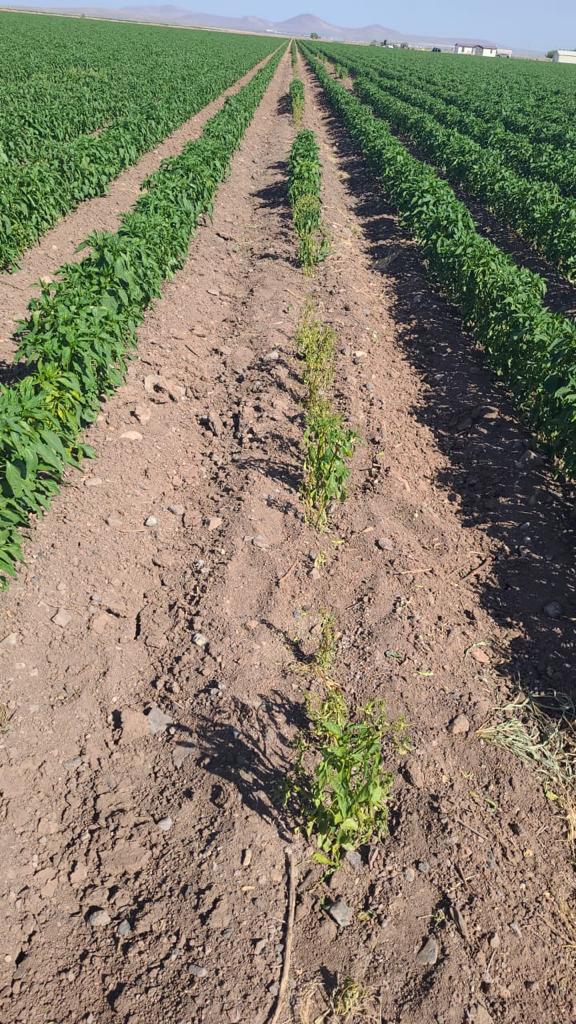
Figure 4. Chile peppers displaying chlorosis and wilt due to infection from species of Fusarium.
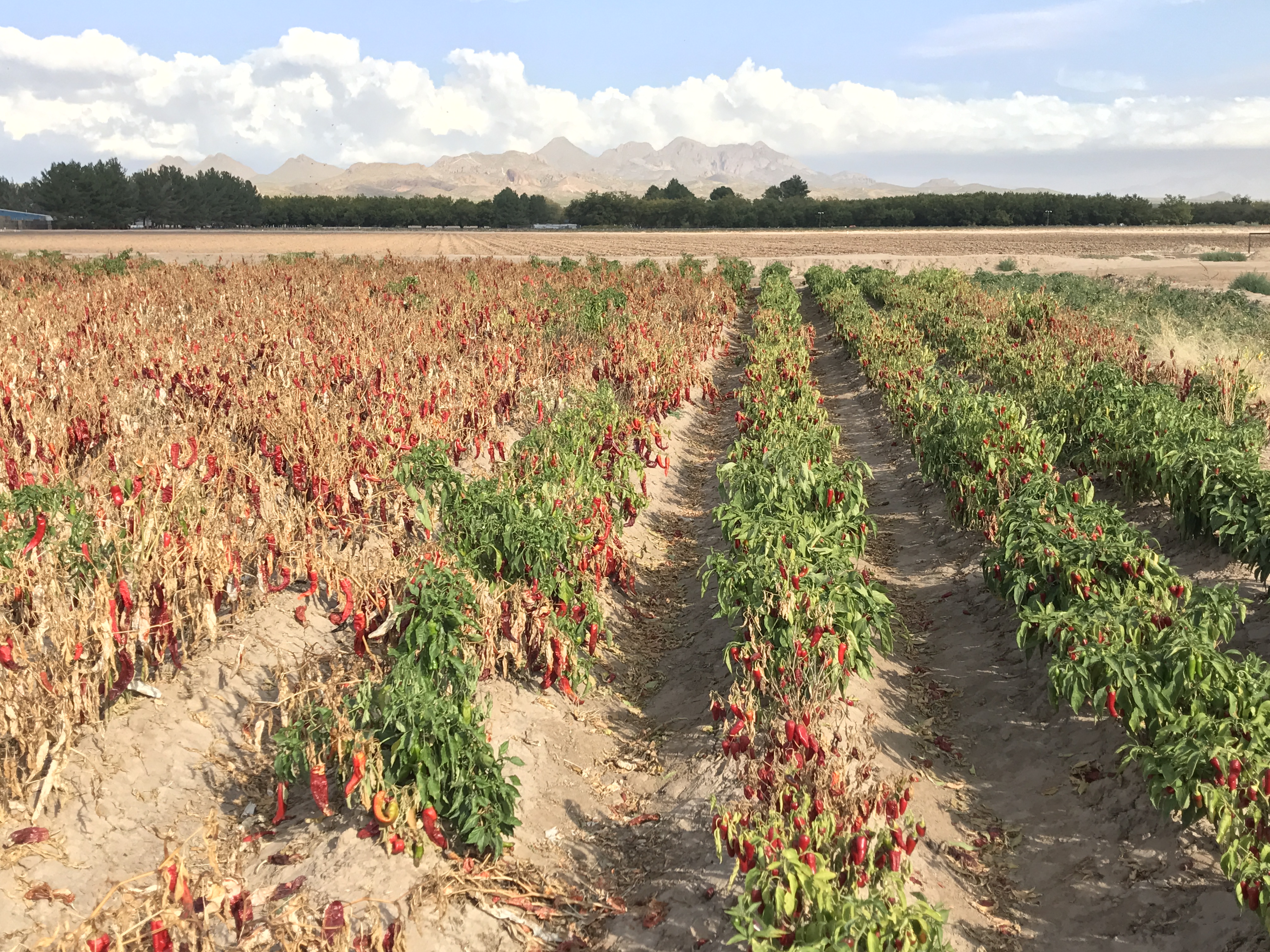
Figure 5. Chile pepper plants infected by Phytophthora capsici displaying straw-colored and wilt symptoms.
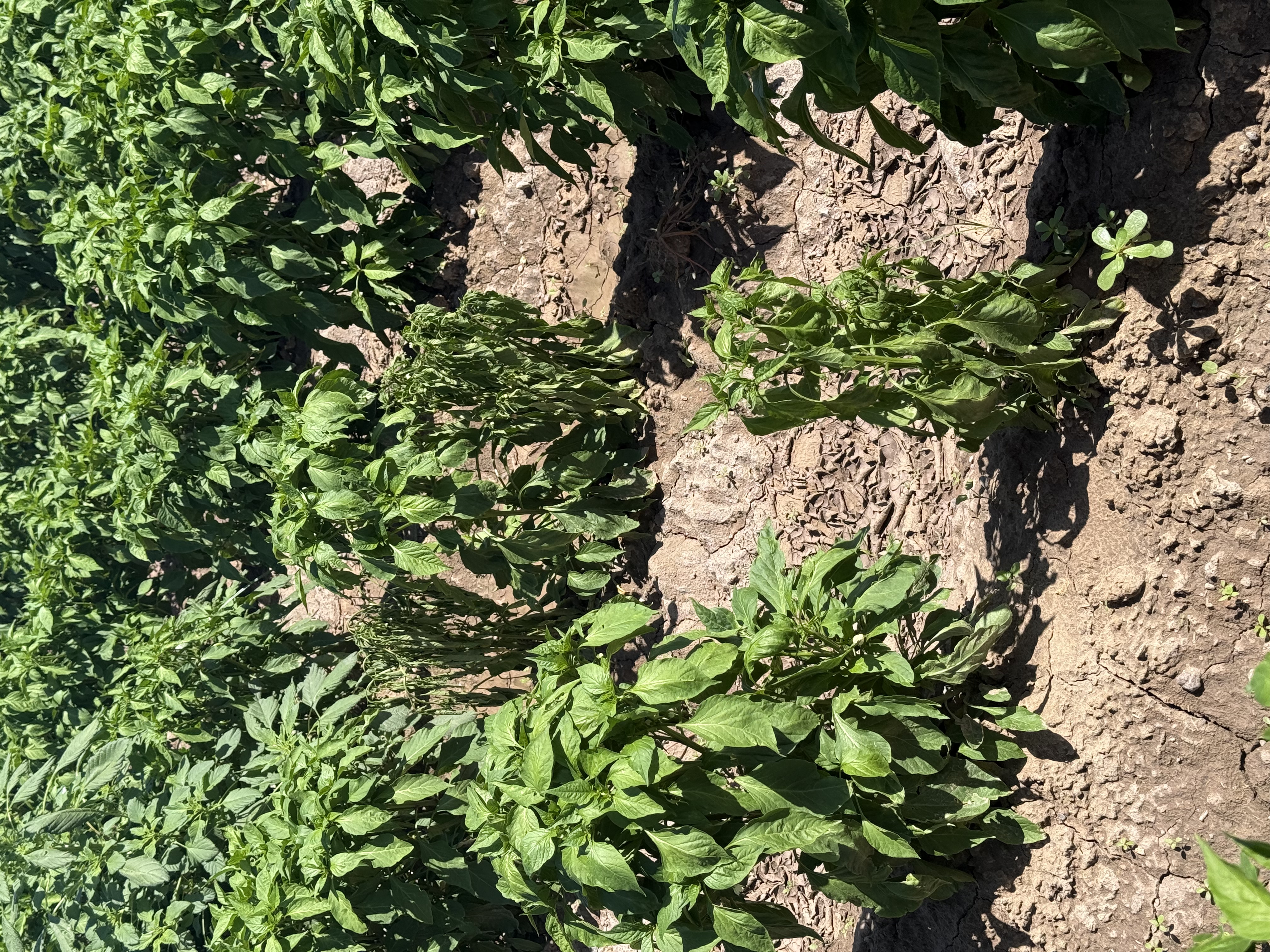
Figure 6. Wilt symptoms caused by infection from Verticillium dahliae.
Soilborne pathogens that cause “chile wilt” thrive in warm and wet environments (25-30°C + high humidity) and especially in poorly drained or heavy compacted soils or by excessive irrigation. In New Mexico, an increase in disease development is typically observed during the monsoon season (June – September) when there is more precipitation and high humidity from heavy rainfall.
How to manage chile wilt?
Management of chile wilt is difficult due to the presence of long-term survival structures (e.g., microsclerotia and oospores). Additionally, conventional chemicals, when used alone, have variable efficacy for disease management in chile peppers. Importantly, there are currently no long-pod, hot cultivars typically grown in New Mexico that are highly tolerant/resistant to these diseases, although there are tolerant/resistant cultivars of bell pepper available.7 With this in mind, management strategies that focus on prevention, healthy soils, and biorational products are highlighted in this guide for chile pepper growers.
What are biorational products and how are they used in disease management?
Biorationals are plant disease management products that are derived from plants, minerals, or biological microorganisms and pose less health and environmental risk than conventional pesticides do. The following section and Table 1 highlight examples of biorationals, how they work, and how they may be used to manage chile wilt disease.
|
Table 1. Biorational products, ingredients, and application methods |
||
|---|---|---|
|
Biorational Product and Manufacturer |
Active Ingredients |
Application Method |
|
Actigard® Syngenta |
Acibenzolar-S-methyl |
Foliar or chemigation |
|
Agriphage® Omnilytics |
Bacteriophage |
Foliar, greenhouse fogging, or chemigation; see label for specifics on formulation and application |
|
Asperello T34® Biocontrol Technologies |
Trichoderma asperellum, strain T34 |
Substrate incorporation, seed, soil drench, chemigation or foliar |
|
Double Nickle® Certis Biologicals |
Bacillus amyloliquefaciens strain D747 |
Foliar, soil drench, chemigation, or root dip |
|
Employ® Plant Health Care, Inc. |
Harpinαβ Protein |
Foliar |
|
Regalia® Profarm |
Extract of Reynoutria sachalinensis |
Foliar, soil drench, chemigation, or transplant dip |
|
Rootshield Plus® BioWorks |
Trichoderma harzianum Rifai, strain T-22 and Trichoderma virens, strain G-41 |
Substrate incorporation, root drench, chemigation, or transplant dip |
|
Serenade Aso® Bayer Crop Science |
Bacillus subtilis, strain QST 713 |
Foliar, soil drench, or chemigation |
|
Sonata® Bayer Crop Science |
Bacillus pumilus, strain QST 2808 |
Foliar, chemigation, or soil drench |
|
T34 Biocontrol® Biocontrol Technologies |
Trichoderma asperellum, strain T34 |
Seed, foliar, or chemigation |
|
Thiea® Certis Biologicals |
Bacillus subtilis, strain AFS032321 |
Foliar or chemigation |
What biologicals are used for chile wilt?
Microbials
Products containing beneficial microorganisms can be used to enhance plant growth and reduce the negative effects of disease development. These products may contain plant-growth promoting rhizobacteria (PGPR) or biological agents.11 PGPRs are bacteria that live on plant roots or in soil around plant roots without causing any harm to plants. These bacteria enhance plant growth and may induce resistance in plants against plant pathogens. The resistance triggered in plants by PGPR bacteria is known as induced systemic resistance which involves the jasmonic acid pathway (ISR).12 Examples are T34 Biocontrol® (Biocontrol Technologies) and Employ® (Plant Health Care, Inc.)
Biological agents are microorganisms (fungi, bacteria, or viruses) which can outcompete plant pathogens for resources. Several products containing microorganisms are sold for biological control of diseases. Examples are Serenade® (Bayer Crop Science), Double Nickle® (Certis Biologicals), Thiea® (Certis Biologicals), and Sonata® (Bayer Crop Science), all of which contain beneficial bacteria. Rootshield Plus® (BioWorks) and Asperello T34 (Biocontrol Technologies) contain beneficial fungi, and Agriphage® (Omnilytics) contains bacteriophages which are viruses that infect bacteria.
Botanicals and plant activators
Some biotrophic and hemibiotrophic pathogens invade plant tissue often causing local cell death (e.g., hypersensitivity response (HR)). This type of infection can trigger resistance in other plant parts that have not been exposed to the pathogen. This resistance has been termed systemic acquired resistance (SAR) involving salicylic acid (SA).13 Certain commercial chemicals are known to induce SAR in plants and are called plant activators. Plants treated with such activators produce compounds that interfere with the activities of pathogen development. Examples of these products are Actigard® (Syngenta) and Regalia® (ProFarm).
What are good strategies for applying biologicals?
Application in rotational and cover crops prior to chile crop
Applying biologicals and integrating them into the soil with rotational or cover crops will have positive effects.14,15 The biologicals will help increase soil health, potentially accelerate nutrient cycling, and enhance nutrient availability for your chile crop.16 This approach allows growers to proactively manage disease outbreaks through maintaining a healthy soil environment. Application of biologicals to rotational or cover crops can be done through in-furrow, drip to the root systems, or applied directly to the foliage.
Application in chile crop
Biologicals can be applied directly to the chile crop, either through seed treatments, drip system, or through spraying the plant foliage during the production season. As discussed earlier, some biologicals can either enhance plant growth or activate the plants defense response, both of which can potentially reduce the negative effects of chile wilt pathogens. This strategy is much more effective when applied prophylactically and on a regular basis during the production season, before disease symptoms start occurring.
Importantly, biologicals can be added to the growing medium for transplant production. This approach allows for earlier and improved colonization of root systems.
Application schedule for biologicals
It is very critical to establish and maintain beneficial microbiota prior to and during chile production in order to help mitigate disease development and enhance plant performance. The following application schedule is suggested for increasing beneficial microbiota populations in fields to be planted with chile:
- September (end of current season/beginning of next): Treat remaining plant stubble with biological formulations (fungi and bacteria). Apply formulations as a spray or through drip irrigation. Then, plant cover crops; treat seeds before planting or proceed with in-furrow seed treatment at planting. After cover crop emergence, apply additional biological formulation.
- October through January (off season): As economically feasible, make at least one application of biological formulations monthly. Terminate and incorporate cover crops. Pre-irrigate with biological formulations prior to transplanting.
- March through April (transplanting): Treat seeds with biological formulations prior to planting or proceed with in-furrow seed treatment at transplanting. Make at least one application biological formulations through drip irrigation after chile emergence.
- May through August (during production season): As economically feasible and depending on the anticipated disease pressure, make at least two applications of biological formulations.
NOTE: This short guide is intended to provide chile growers with an understanding of chile wilt pathogens. Products mentioned herein are for illustration purposes, and no endorsement is implied by the authors. Before using any products, check with your crop consultant or advisor, and follow the product label. Additionally, for registration, rates, and application methods, refer to the product label.
References
- Walker, S., Coon, D., & Joukhadar, I. (2025). Growing Chile Peppers in New Mexico. [Guide H-230]. NMSU Cooperative Extension Service. https://pubs.nmsu.edu/_h/H230/
- Sanogo, S. (2003). Chile Pepper and the threat of wilt diseases. Plant Health Progress. 10.1094/PHP-2003-0430-01-RV.
- Lujan, P., & Goldberg, N. (2021). Chile Pepper Diseases. [Circular 549]. New Mexico State University Cooperative Extension Service. https://pubs.nmsu.edu/_circulars/CR549/
- Leonian, L.H. (1919). Fusarium wilt of chile pepper [Tech. Bull. 121]. New Mexico Agricultural Experiment Station.
- Lazarovits, G., Conn, K., & Tenuta, M. (2000). Control of Verticillium dahliae with soil amendments: efficacy and mode of action. In E.C. Tjmaos (Ed.), Advances in Verticillium research and disease management (pp. 274-291). American Pathological Society., St. Paul, MN.
- Erwin, D., & Ribeiro, O. (1996). Phytophthora diseases worldwide. Xii-562. American Pathological Society, St. Paul, MN.
- Sanogo, S., Lamour, K., Kousik, C., Lozada, D., Parada-Rojas, C., Quesada-Ocampo, L., Wyenandt, C., Babadoost, M., Hausbeck, M., Hansen, Z., Ali, E., McGrath, M., Hu, J., Crosby, K., & Miller, S. (2023). Phytophthora capsici, 100 years later: research mile markers from 1922 to 2022. Phytopathology, 113(6). https://doi.org/10.1094/PHYTO-08-22-0297-RVW.
- Enzenbacher, T., Naegele, R., & Hausbeck, M. (2015). Susceptibility of greenhouse ornamentals to Phytophthora capsici and P. tropicalis. Plant Disease, 99, 1808-1815.
- Sanogo, S., Etarock, B., & Clary, M. (2009). Recovery of Verticillium dahliae from Tall Morningglory (Ipomoea purpurea) in New Mexico and its pathogenicity on chile pepper. Plant Disease, 93(4). https://doi.org/10.1094/PDIS-93-4-0428A
- Sanogo, S., Schroeder, J., Thomas, S., Murray, L., Schmidt, N., Beacham, J., Fiore, C., & Liess, L. (2018). Weed Species Not Impaired by Verticillium dahliae and Meloidogyne incognita relationships that damage chile pepper. Plant Health Progress, 14(1). https://doi.org/10.1094/PHP-2013-0920-01-RS
- Vejan, P., Abdullah, R., Khadiran, T., Ismail, S., & Boyce, A. (2016). Role of Plant Growth Promoting Rhizobacteria in Agricultural Sustainability – A Review. Molecules, 29(21). https://doi.org/10.3390/molecules21050573
- Kloepper, J., Ryu, C., & Zhang, S. (2004). Induced Systemic Resistance and Promotion of Plant Growth by Bacillus spp. Phytopathology, 94(11). https://doi.org/10.1094/PHYTO.2004.94.11.1259
- Durrant, W., & Dong, X. (2004). Systemic Acquired Resistance. Annual Review of Phytopathology, 42. https://doi.org/10.1146/annurev.phyto.42.040803.140421
- Espinosa, D., Perez-Alvarez, S., Chavez, E., Uranga-Valencia, L., Ochoa-Chaparro, E., Escobedo-Bonilla, C., Contreras-Martinez, R., & Leyva-Hernandez, H. (2025). Sustainable biostimulation in chili cultivation: effects of PGPM’s and marine algal extracts on the physiological performance of serrano pepper crop. Sustainability, 17(17), 8090. https://doi.org/10.3390/su17178090
- Zhang, S., Raza, W., Yang, X., Hu, J., Huang, Q., Xu, Y., Liu, X., Ran, W., & Shen, Q. (2008). Control of Fusarium Wilt disease of cucumber plants with the application of a bioorganic fertilizer. Biology and Fertility of Soils, 44, 1073-1080.
- Adesemoye, T., Shapiro, C., Rethwisch, M., & Maharjan, B. (2017). Potential Benefits of Biological Products in Nutrient Management [NebGuide G2294]. Lincoln: University of Nebraska.

Phillip Lujan is the NMSU Extension Plant Pathologist. He received his B.S. and M.S. in Agricultural Biology with a minor in Molecular Biology, and Ph.D. in Plant and Environmental Sciences with an emphasis in Plant Pathology at New Mexico State University. As the Extension Plant Pathologist, Dr. Phillip Lujan’s primary interest and responsibility is in the area of plant pathology and disease diagnostics for all New Mexico cropping and landscape systems. He also provides statewide extension programming with a focus on plant health and the use of integrated pest management strategies.
To find more resources for your business, home, or family, visit the College of Agricultural, Consumer and Environmental Sciences on the World Wide Web at pubs.nmsu.edu/
Contents of publications may be freely reproduced for educational purposes. All other rights reserved. For permission to use publications for other purposes, contact pubs@nmsu.edu or the authors listed on the publication.
New Mexico State University is an equal opportunity employer and educator. NMSU and the U.S. Department of Agriculture cooperating.
November 2026, Las Cruces, NM