Fact Sheet 001
Joanie King and Joanna Bloese
College of Agricultural, Consumer and Environmental Sciences, New Mexico State University
Authors: Respectively, Assistant Professor and Extension Entomology Specialist, Extension Plant Sciences; and Integrated Pest Management Specialist, Extension Plant Sciences and Agricultural Science Center at Los Lunas, NM. New Mexico State University. (Print-Friendly PDF)
Minute pirate bugs (Orius spp.) are common generalist predators of pests in New Mexico and throughout much of North America. They inhabit diverse environments, such as home gardens, crop fields, trees, vegetable gardens, fruit orchards, or any habitat that may attract pests. In New Mexico, they have been spotted feeding on pests in chile fields, plum orchards, flower gardens, and more!
Life Cycle: Minute pirate bugs overwinter as adults in sheltered areas. They commonly overwinter in tree bark cracks and crevices but will take advantage of any protected areas (e.g., leaf litter, bark, buildings). They emerge in the early spring (as temperatures warm up). Female minute pirate bugs lay their eggs throughout the spring and summer. They produce overlapping generations until fall. The typical development time from egg to adult averages three weeks during warmer temperatures.
Identification: (Hemiptera: Anthocoridae: Orius spp.)
Adults: Adults are small, < 1/5 inch (2-5 mm) long and elongated (Figures 1-3). They have a black body with black and white forewings. The leathery-half membranous wing structure resembles an “X” pattern and extends past the tip of the abdomen. Body is somewhat flattened. They have a prominent “beak” referred to as a stylet, which they use to suck out prey’s content (Figure 4).
Figure 1. Minute pirate bug on a chile pepper leaf.
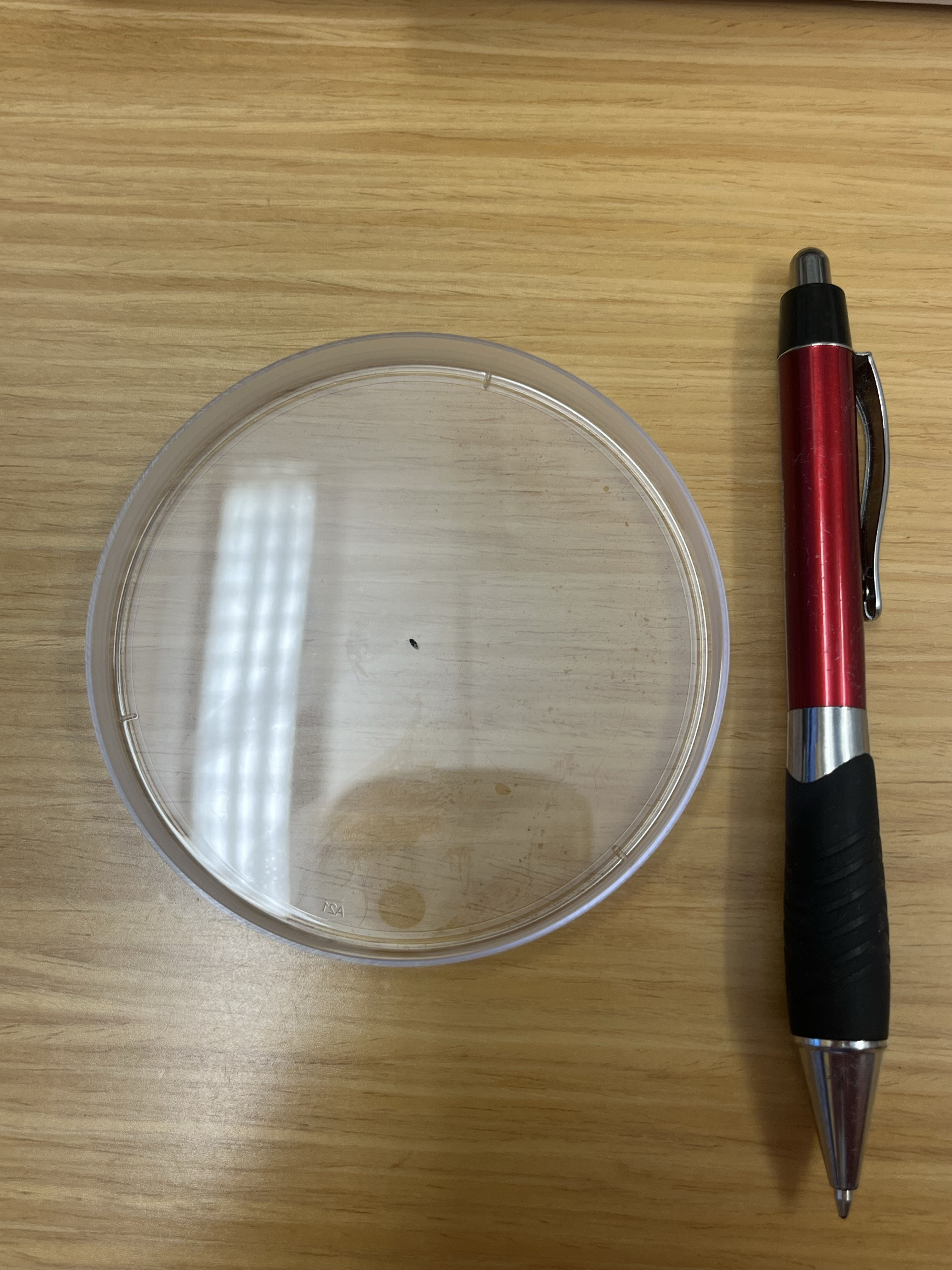
Figure 2a. Minute pirate bug placed in a Petri dish next to a pen for scale. Arrow is pointing to bug. Collected from a plum tree in Albuquerque, NM.
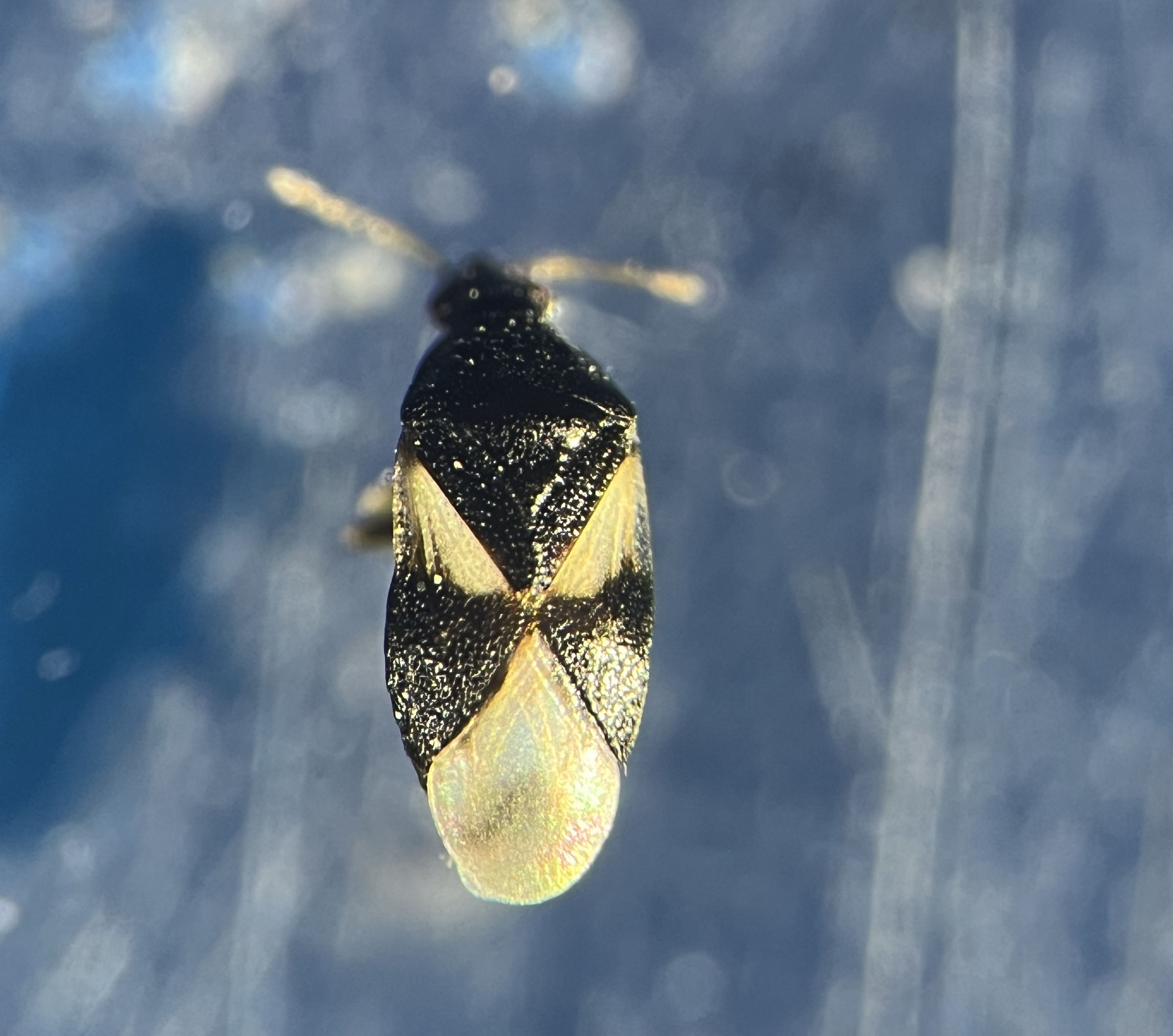
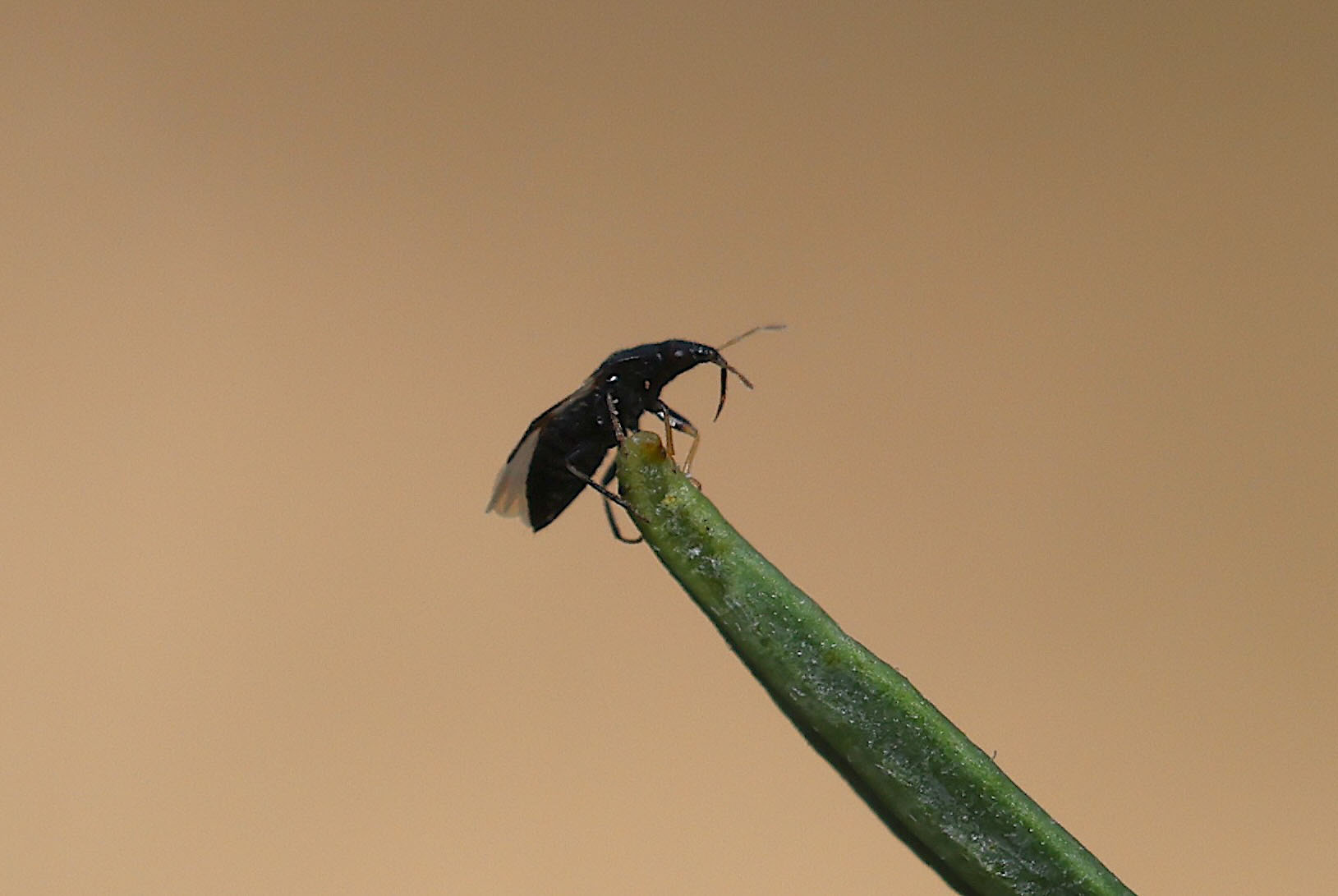
Figure 3. Minute pirate bug on a milkweed plant. Portal, AZ.
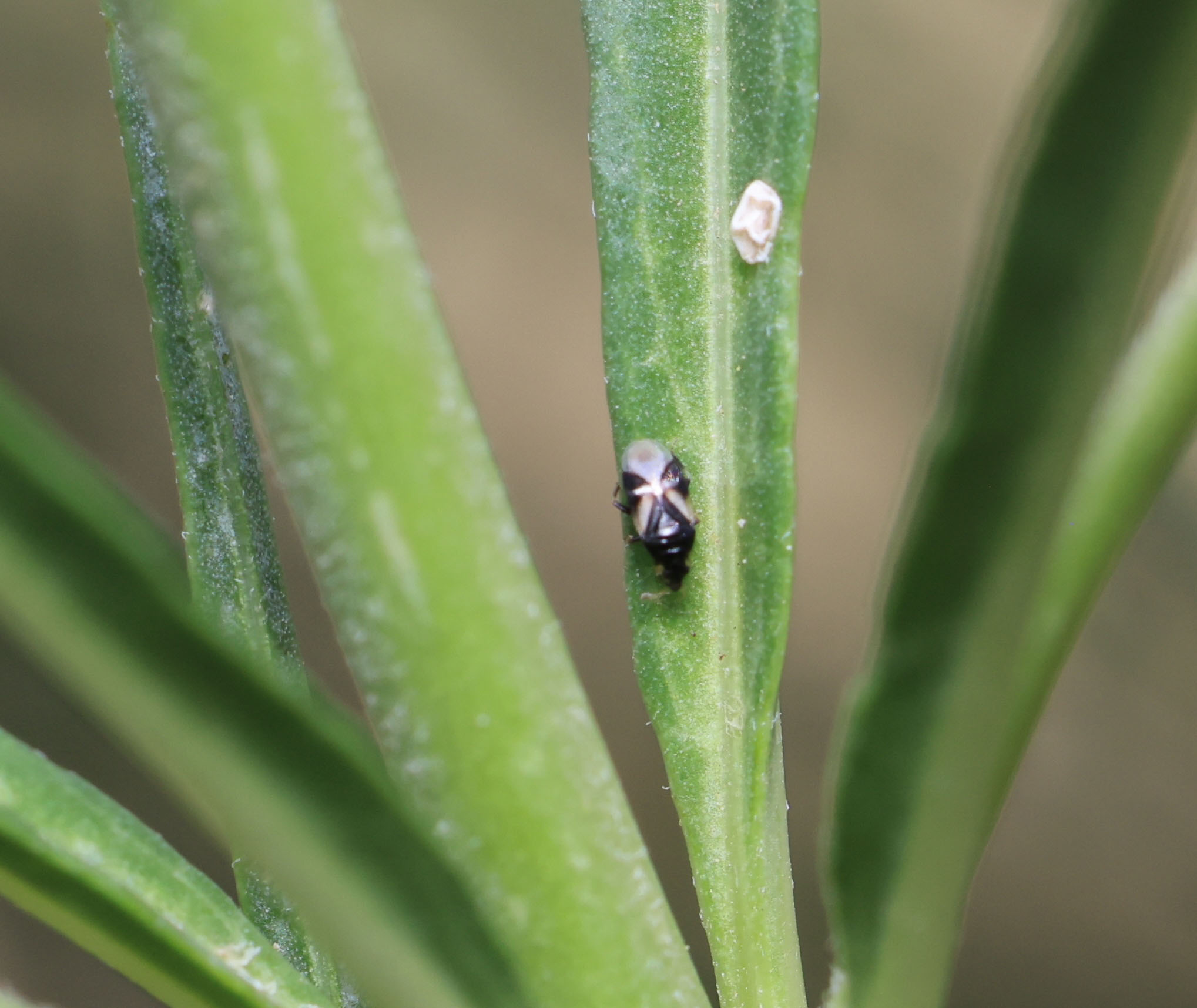
Figure 4. Photo showing the piercing-sucking mouthparts (stylet) of an adult minute pirate bug nymph. Bug is on a milkweed leaf.
Eggs: Eggs are very small, around1/100 in. (0.25 mm), pale in color, and are oblong or oval shaped. Eggs are inserted into the plant tissue with only the round egg cap (operculum) visible.
Nymphs: Nymphs are similar to the adult in body form, but are pale in color, from yellow to orange. They are smaller in form, about 0.12 in. (3mm or less) and are wingless (however, later instars have small wing pads). They go through five instars.
Metamorphosis: Incomplete/simple (this means that the immature insects look similar in form to the adults). Egg to five nymphal instars to adult.
Mouthparts: Thick piercing-sucking (i.e., straw-like appendages). They are used to pierce their prey and consume internal tissues.
Stages that feed on pests: Nymphs and adults.
Role in Integrated Pest Management: Minute pirate bugs are voracious predators, eating soft-bodied pests such as aphids, leafhopper nymphs, small caterpillars (such as codling moth, Cydia pomonella, larvae), spider mites, thrips, whiteflies, and insect eggs.
Minute pirate bugs are naturally occurring in New Mexico. They are also available commercially and can be released for use in biological control programs (i.e., augmentation). Use of augmentative biological control is specifically used in greenhouses, while conservation biological control can assist locally occurring populations (i.e., assisting the ones that occur naturally). For boosting and supporting locally occurring populations of minute pirate bugs, insectary plants (see Guide H-169, https://pubs.nmsu.edu/_h/H169/index.html) can be planted to support, shelter, and sustain minute pirate bugs. They use pollen and plant sap as supplementary food when prey is scarce.
References
- Horton, D. R. (2008). Minute pirate bugs (Hemiptera: Anthocoridae). Encyclopedia of Entomology, 3, 2402-2412.
- Lattin, J. D. (2000). Minute pirate bugs (Anthocoridae). Heteroptera of Economic Importance, 607-637. CRC Press.
- Lattin, J. D. (1999). Bionomics of the Anthocoridae. Annual Review of Entomology, 44(1), 207-231.
All photos in this fact sheet were taken by Joanie King, PhD, NMSU
For further reading
- Using Insectary Plants to Attract and Sustain Beneficial Insects for Biological Pest Control (Guide H-169): https://pubs.nmsu.edu/_h/H169/index.html
- Minute Pirate Bug: https://ipm.ucanr.edu/natural-enemies/minute-pirate-bugs/#gsc.tab=0
- Beneficial True Bugs: Minute Pirate Bug (ENT-188-17PR): https://digitalcommons.usu.edu/cgi/viewcontent.cgi?article=2816&context=extension_curall

Joanie King is an assistant professor and Extension entomologist. She earned a Ph.D. in entomology from Texas A&M University, a M.S. in entomology from the University of Georgia, a B.S. in biology from the University of Central Florida, and an A.A. from Valencia College. Alongside her Extension and outreach focus, Dr. King’s lab focuses on host-parasite interactions, community ecology, and integrated pest management (IPM). Dr. King also researches how to plan effective science outreach and science communication.
To find more resources for your business, home, or family, visit the College of Agricultural, Consumer and Environmental Sciences on the World Wide Web at pubs.nmsu.edu/
Contents of publications may be freely reproduced for educational purposes. All other rights reserved. For permission to use publications for other purposes, contact pubs@nmsu.edu or the authors listed on the publication.
New Mexico State University is an equal opportunity employer and educator. NMSU and the U.S. Department of Agriculture cooperating.
October 2026, Las Cruces, NM